- Home
- 4K Ultra HD | Podcast
- Technical test
- The Bazaar of 4K Ultra HD, volu ...
Welcome to The 4K Ultra HD Bazaarvo monthly appointment to find out all about the latest 4K releases and the visual and audio experience they offer. Born of his author's passion for physical media and his desire to share with you the pleasures of cinema at home in his most accomplished form, each issue is the opportunity for the celest wolf to test and evaluate the audio/video performances of many discs released in France and internationally, guiding you through the subtleties of the HDR, the nuances of the WCG and the immersion of 3D soundtracks.
Whether you're a seasoned cinephile looking for the best editions of the market or an amateur wishing to maximize its home-cinema installation, follow the recommendations of our expert and prepare to be amazed by a quality image and sound you thought so far reserved for cinemas. Good reading and enjoy every issue to come! #WeLovePhysicalMedia 📀✨
It is brought to the attention of our dear readers that, in addition to the specified and used viewing equipment, the rendering may differ from one installation to another, whether or not it is calibrated, as well as personal preferences and expectations may influence notation.
QD-OLED Television : Sony Bravia XR-65A95L
Universal reader : Oppo UDP-203 Audiocom Reference
Multimedia player : R_volution PlayerPro 8K Signature Edition
Modular home cinema pack (11.1.4): JBL BAR 1300 MK2
Image Modes : Professional (SDR or HDR) | Dolby Dark Vision | IMAX Enhanced
Listening modes : Dolby Atmos | DTS:X | Dolby Surround (Dolby TrueHD, Dolby Digital) | DTS Neural:X (DTS-HD, DTS) | LPCM
Contents
Made in France
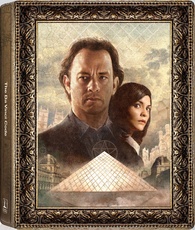
Da Vinci Code (long version)
Source France | Publisher : Sony Pictures | Release date : 20 May 2026
Video format
2160p24 | Ratio 2.39
HDR10 | Dolby Vision | BT.2020
HEVC encoding | DI 4K
Soundtrack
English Dolby Atmos
English DTS-HD MA 5.1
Subtitles
English
French
Artistic : 8 | Video : 9 | Audio : 9
WORK – In this investigation, where symbols intersect, Dan Brown's story unfolds a finely articulated religious thriller, scrutinizing faith as a fragile manuscript. Intrigue questions the dogmas of the Catholic Church without caricature, revealing fissures, silences and sacred tensions. The staging sculpts the shadow with fervor, while the actors shape the mystery each in his own way. From revelation to revelation, each riddle whispers a "truth" long hidden.
The long version deepens the narrative, extends several key exchanges and offers a more legible progression of esoteric issues. It clarifies the motivations, densifies the unveiling and gives the film a more methodical respiration, less hasty than film editing (shorter than 25 minutes), closer to the rhythm of the novel. Sir Leigh Teabing becomes more insidious, Silas more tragic.
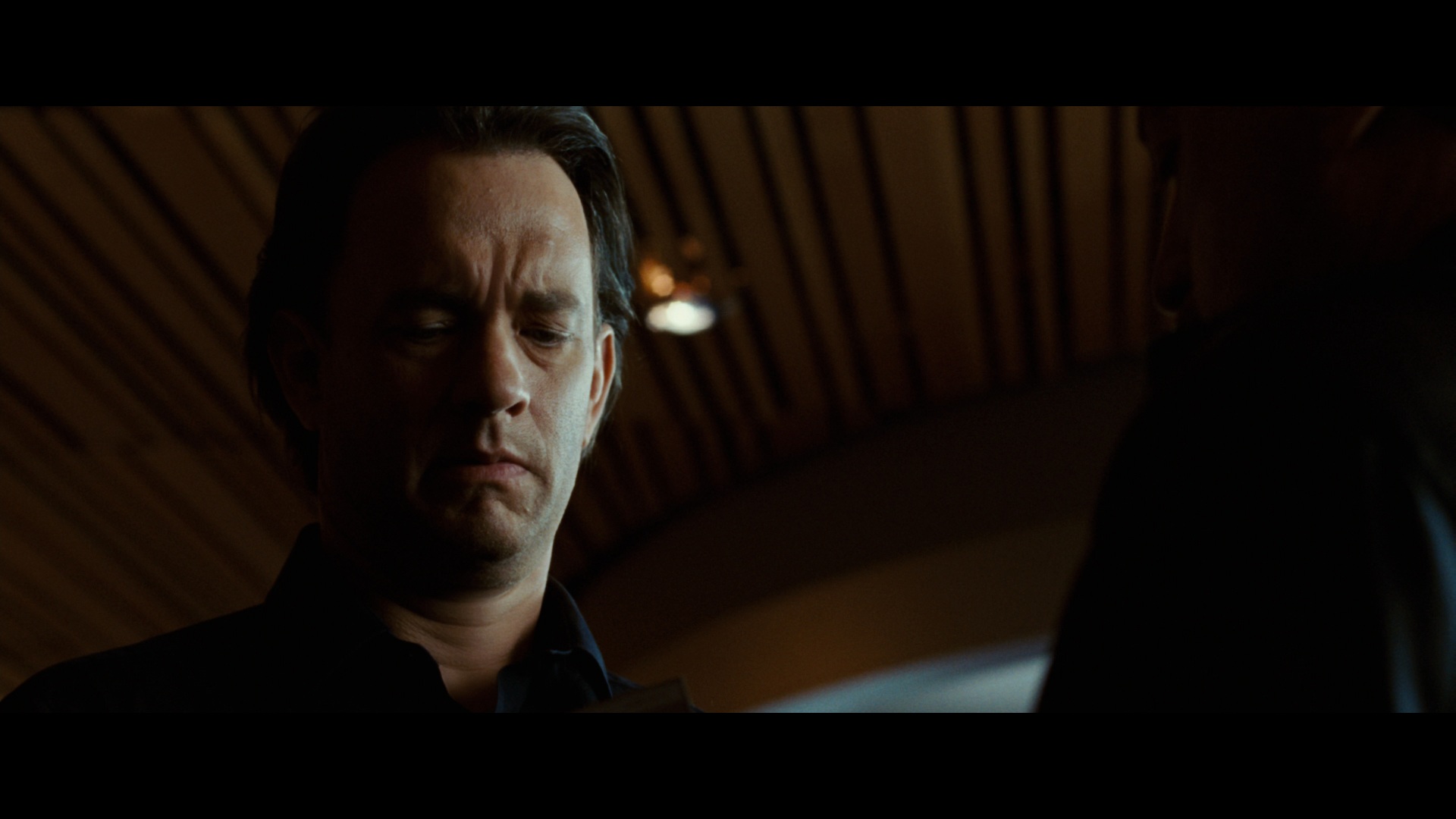
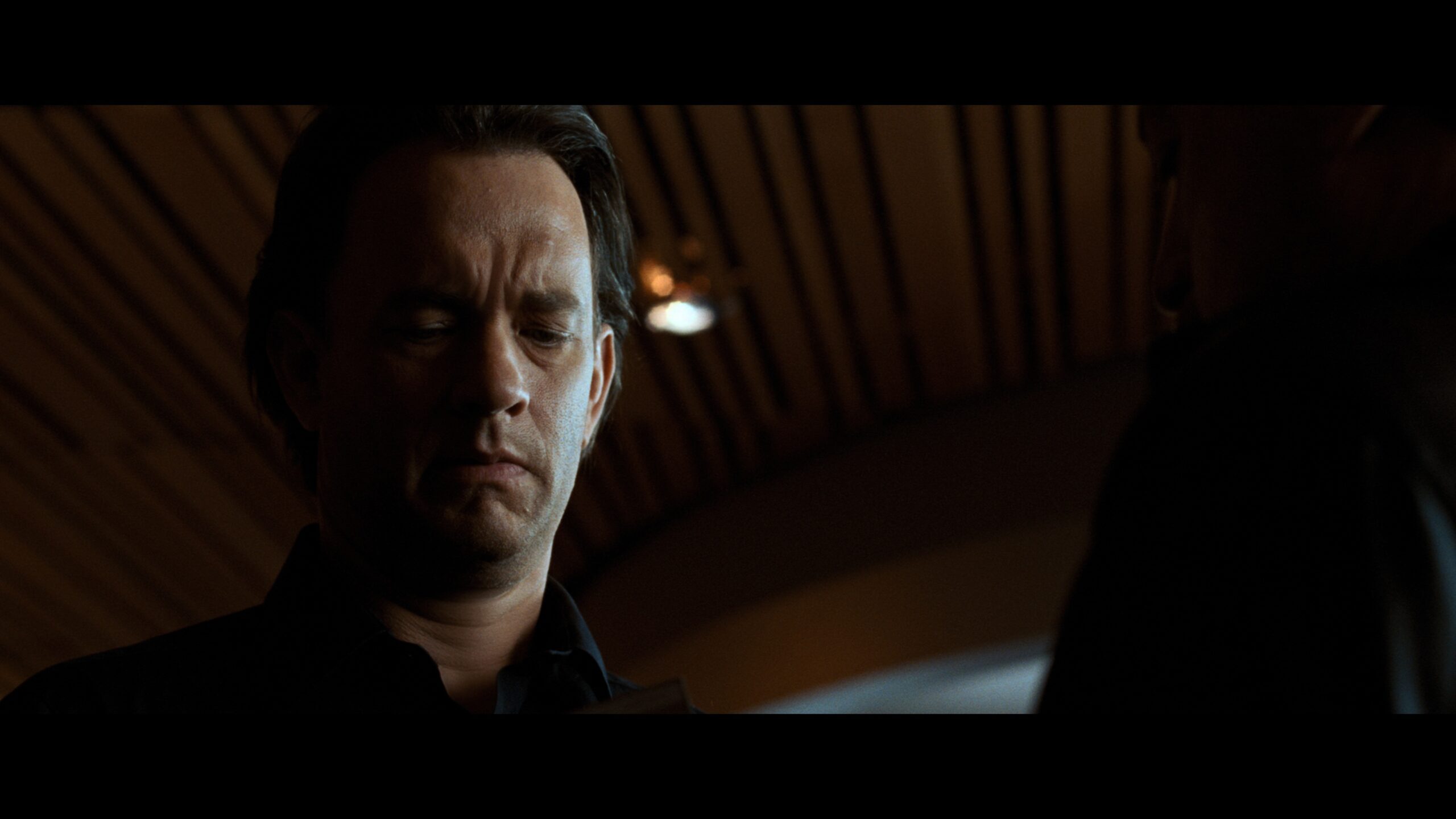
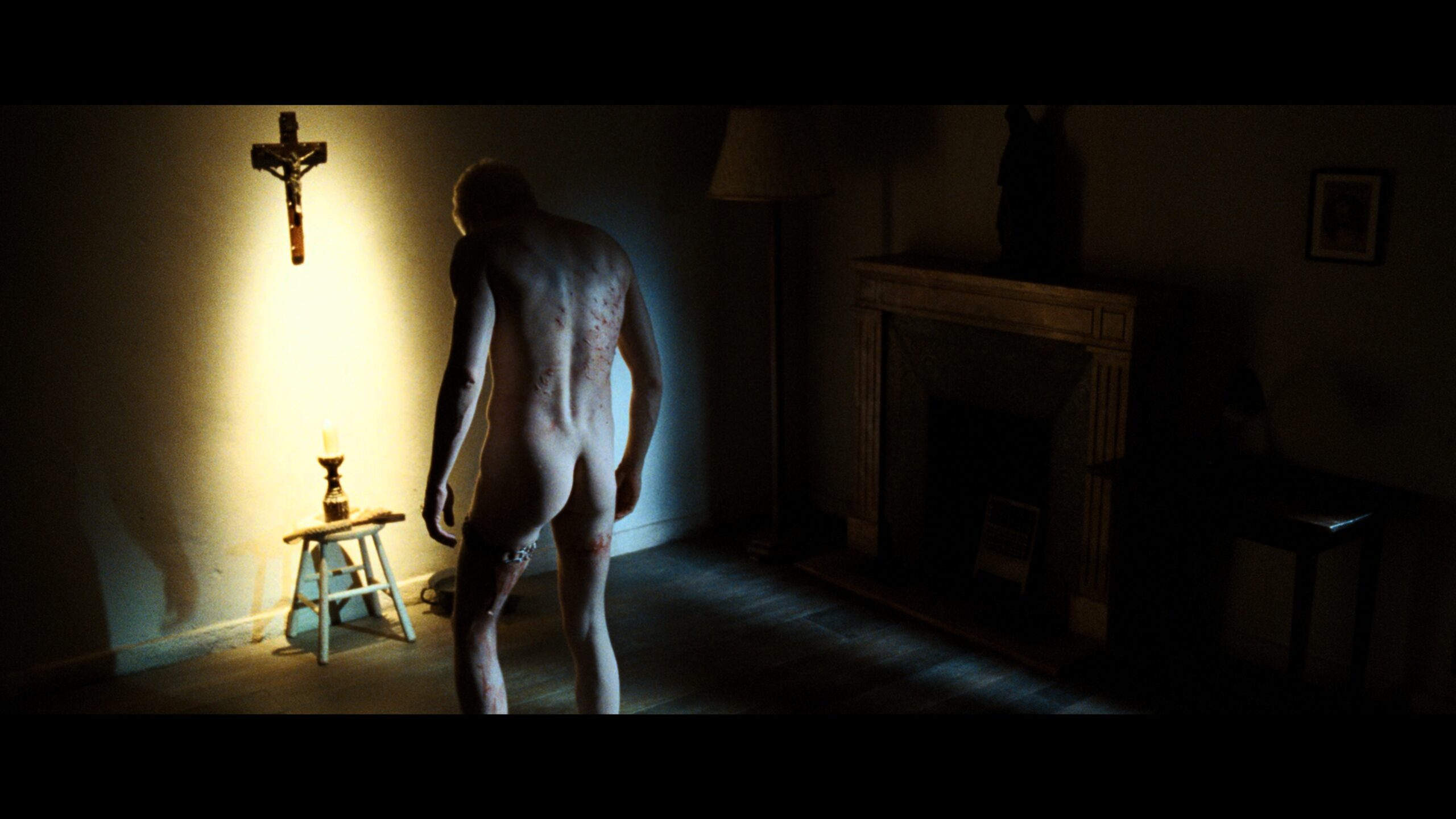
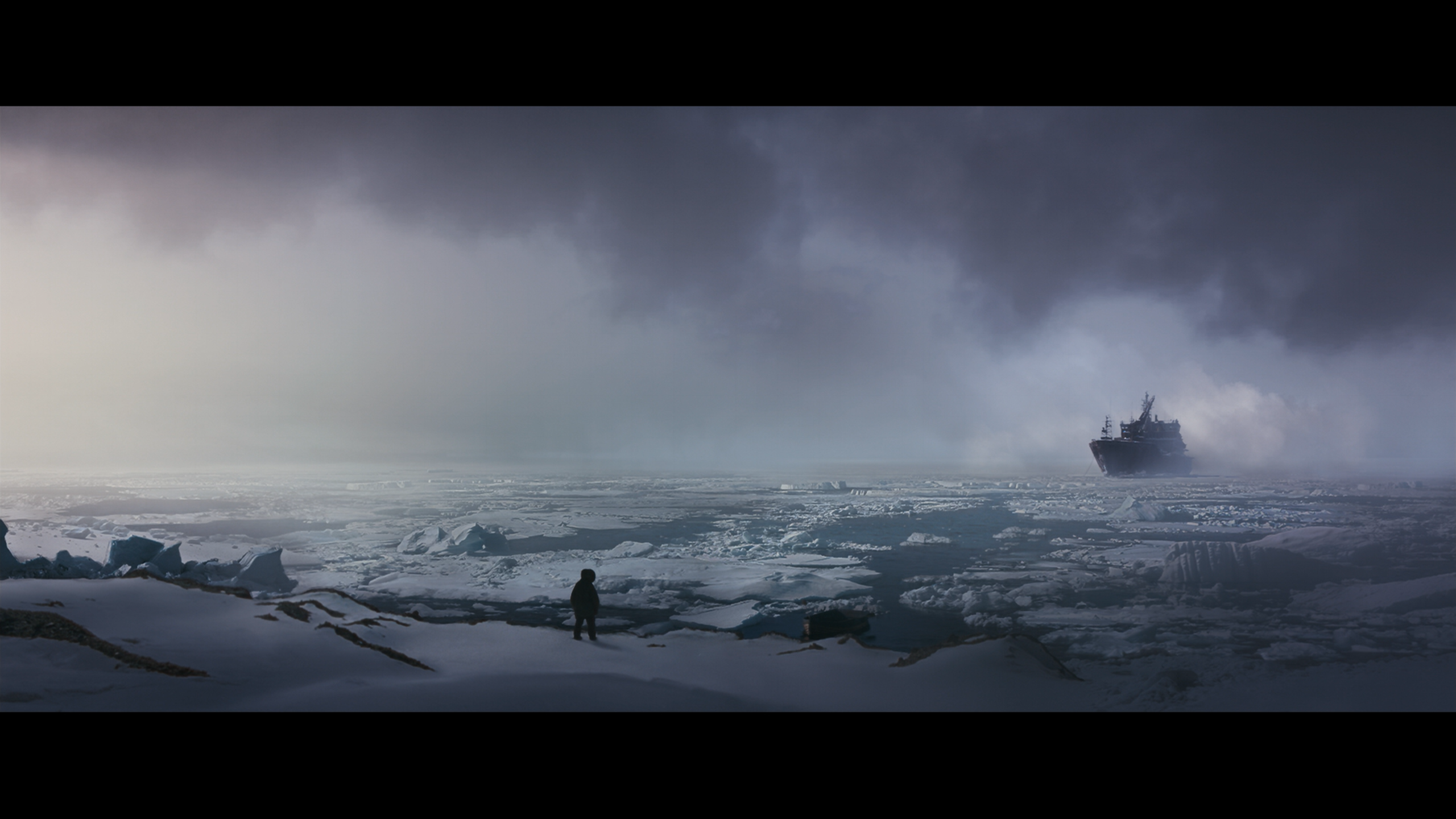
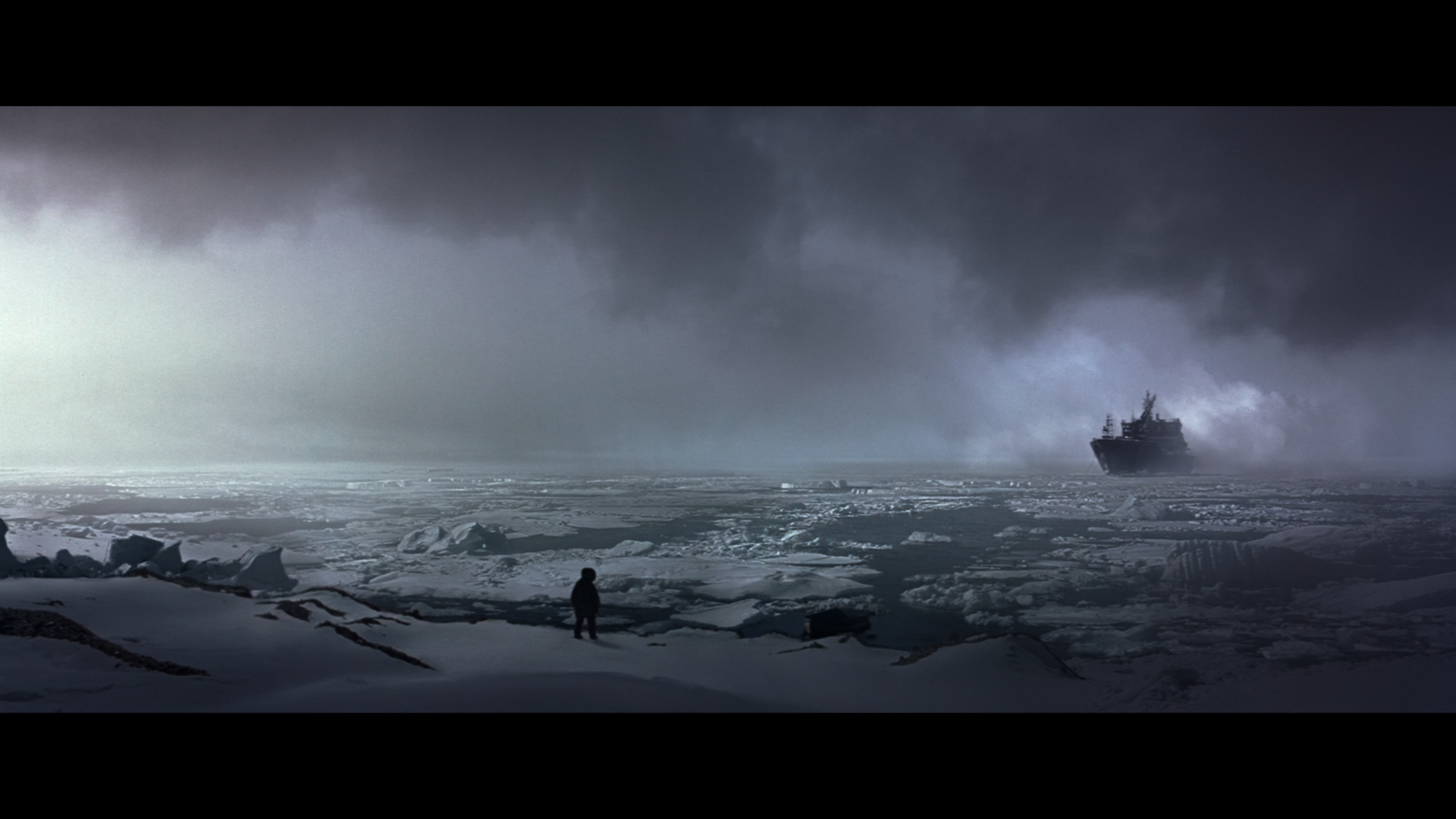
IMAGE – As dark as it is nervous, photography shines in UHD, spreading a 35 mm dru grain that increases shadow density and requires a perfectly tuned diffuser. Increased definition, firm details, slightly revived palette and sometimes excessive contrasts cisel an intense rendering, where abyssal blacks and fulgurant whites simmer. In DV (under HDR10 in 2016), everything becomes more precise: from symbolic visualisations to light sources to darkness.


SON – Taking advantage of a wide scene and refined mixing, the VO Dolby Atmos deploys a nuanced upper layer, between subtle reverberations and precise sound effects (as when Robert Langdon focuses on clues). She also manages the action very effectively, from the striking shots to the squeaking police sirens, while the score signed Hans Zimmer envelopes just as much as the atmosphere. Less extensive but well held, VF 5.1 finds here a lossless encoding.
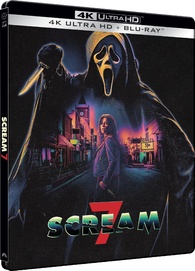
Scream 7
Source France | Publisher : Paramount Pictures | Release date : 25 June 2026
Video format
2160p24 | Ratio 2.39
HDR10 | Dolby Vision | BT.2020
HEVC encoding | DI 4K
Soundtrack
English Dolby Atmos
Dolby Digital 5.1 English
Subtitles
English
French
Artistic : 6 | Video : 9 | Audio : 9
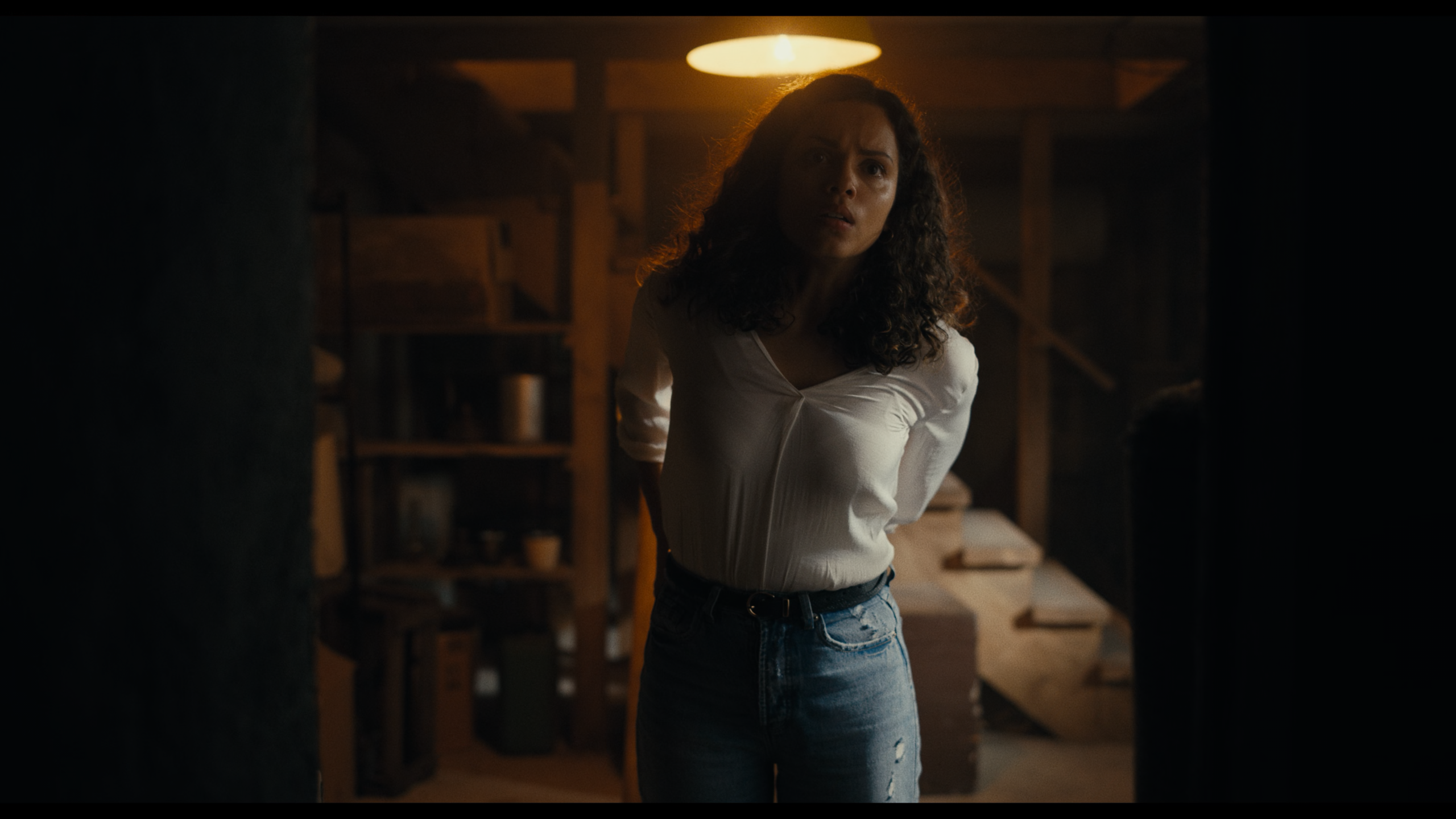
WORK – This new opus of the saga Scream still plays with its own shadows, juggling between sharpened winks and blunted screenshot knife strokes. The slasher remains entertaining, carried by brutal killings that just strike and some meta pirouettes that rip a smile, even if tension sometimes simmers, as if the mask slipped. The formula is squeaky, of course, but the ambiance, energy and irony bites retain an appreciable edge.
IMAGE – From a 8.6K digital source, this 4K master has a formidable cleanliness. The details fuse, from faces to the panoramas of Pine Grove, while the deep blacks sculpt each corner of the decor. The Dolby Vision intensifies light sources (theatrical lighting) and shadows (Ghostface's hiding places), where the framed WCG timidly raises the autumnal hues while revealing brighter primaries (a particularly dense blood red).
SON – The VO Dolby Atmos hits hard: precise spatialization, height used to create a creeping threat, lows that hit like a uppercut and clear dialogues. The atmospheres (not stealthy, rain, suspicious cracks out there) wrap without overload, while directional effects guide each attack from the killer to the mask. Despite less dynamic and a private distribution of verticality, the VF Dolby Digital 5.1 remains correct. Well integrated dubbing.
And God... created the woman
Source France | Publisher : Seven7 and the image workshop | Release date : 15 May 2026
Video format
2160p24 | Ratio 2.35
CSD | BT2 BT2 NT2 NT2 NT2 NT2 NT2 NT2 NT2 NT2 NT2 NT2 NT2 NT2 NT2 NT2 NT2 NT2 NT2 NT2 NT2 NT2 NT2 NT2 NT2 NT2 NT2 NT2 NT2 NT2 NT2 NT2 NT2 NT2 NT2 NT2 NT2 NT2 NT2 NT2 NT2 NT2 NT2 NT2 NT2 NT2 NT2 NT2 NT2 NT2 NT2 NT2 NT2 NT2 NT2 NT2 NT2 NT2 NT2 NT2 NT2 NT2 NT2 NT2 NT2 NT2 NT2 NT2 NT2 NT2 NT2 NT2 NT2 NT2 NT2 NT2 NT2 NT2 NT2 NT2 NT2 NT2 NT2 NT2 NT2 NT2 NT2 NT2 NT2 NT2 NT2 NT2 NT2 NT2 NT2 NT2 NT2 NT2 NT2 NT2 NT2 NT2 NT2 NT2 NT2 NT2 NT2 NT2 NT2 NT2 NT2 NT2 NT2 NT2 NT2 NT2 NT2 NT2 NT2 NT2 NT2 NT2 NT2 NT2 NT2 NT2 NT2 NT2
HEVC encoding | DI 4K
Soundtrack
French DTS-HD MA 2.0
Subtitles
French
Artistic : 7 | Video : 8 | Audio : 8
WORK – This classic of sensual cinema, a phenomenon of society in its time, oscillates between narrative audacity and naivety today well dated. It feels as much libertarian as the strings too visible from a story that believes in inventing the sea in Saint-Tropez. Yet, despite these limitations, the myth Brigitte Bardot irrigates every plane, from her mutine moth to her feline postures by passing a diction that seems to improvise a mild fever. On the French Riviera, beauty floats in the air.
IMAGE – The 2017 master's recapture reveals a neat 4K restoration (from the negative 35 mm), offering a bright CinemaScope where the preserved grain breathes without the shadow of a smoothing. Despite whimsical melts and rare soft plans, the copy remains stable, clean overall and very generous in detail. The bright SDR contrast and an incandescent Eastmancolor palette (see red and blue) make up a chromatic fireworks. Delicacy superior to HD disc.
SON – An unexpectedly large mono track: clear dialogues for the essentials, absent breath, no distortion, and surprisingly lively dynamics on the atmospheres as on the engines or dancing. The jazzy score by Paul Misraki, fresh and bouncing, is a renewed trunk. And the same is true with songs, even though they accuse their age. A coherent and energetic 2.0 restitution, where the sound material lives at the fiery rhythm of BB.
Dolly (2025)
Source France | Publisher : ESC Films | Release date : 05 August 2026
Video format
2160p24 | Ratio 1.85
HDR10 | Dolby Vision | BT.2020
HEVC encoding | DI 4K
Soundtrack
English DTS-HD MA 5.1
Subtitles
French
Artistic : 7.5 | Video : 9 | Audio : 8
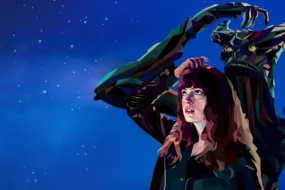
WORK – Dolly radiates the visceral horror that Tobe Hooper had carved in Texane heat : cine craspec that smells of sweat, the grain that skins and the pain that simmers. The staging, camera on the shoulder, tightens the frames and seems to breathe at the pace of Macy, captive transformed into « Doll » Mothering by a retarded Boogiey(wo)man, a monstrous figure making a role as a mother. A survivor who dares matter and emotional violence, determined to slap spectators.
IMAGE – With its thick granularity, inlaid dust and soft definition, this UHD DV transfer fully respects a Super 16 that reincarnates the horror of the 70s... until its natural contrasts, porous like film, and its colorimetric palette brown-reddish, heated by light sources that overflow slightly. Compared to the Blu-ray, it accentuates the raw approach to photography, reveals more details, and better collects the high lights.
SON – The two tracks DTS‐HD MA 5.1 ensure a solid restitution, carried by an immersive sound design where leaves rust, blows behind the mask, gnashing the parquet and not heavy reinforce the tension. Nick Bohun's score, mixing Malaysian mechanical lullaby and analog synths with retro asperities, injects a marked identity. Despite a measured sound opening, the dynamics remain efficient and the atmospheres settle with convincing accuracy.
The Devil Dresses in Prada 2
Source France | Publisher : 20th Century Studios | Release date : 02 September 2026
Video format
2160p24 | Ratio 2.39
HDR10 | Dolby Vision | BT.2020
HEVC encoding | DI 4K
Soundtrack
English Dolby Atmos
English Dolby Digital Plus 7.1
Subtitles
English
French
Artistic : 7 | Video : 9.5 | Audio : 9
WORK – Under his perfectly restored tailors, this late suite assumes the return to emotional catwalk rather than revolution. David Frankel recycles some motifs, but Twist Runway in brilliant mirror of a press in crisis. Miranda, always a haute couture dragon, lets filter a cleverly embroidered fragility, while Andy gains in cut and character. Less poisonous than the first dressing, but stingy enough to stay trendy, chic, and deliciously portable in the evening.
IMAGE – More stable than the 1080p collection and visually irresistible, this 4K transfer imposes a more chiseled line, where the fineness of the fabrics, the precision of the decorations and the subtlety of the faces gain in relief. The DV modulates the whites, beiges and more frank hues, from the deep red of Miranda's dress to the blues and greens of the exteriors. Strong contrasts, high creamy lights, discreet digital grain, elegant palette and airy shadows, for sophisticated tailoring creation.
SON – The VO Atmos deploys a lively and raced scene, where the pieces, and especially the performance of Lady Gaga, sculpt space with a much higher than average scale. The city's sound ballet offers a 360° representation, even if the height channels remain measured, and the voices are impeccably anchored on the front. The crowd, omnipresent, prolongs immersion long after the passages on the podium. Of course, the VF does not display the same figure.
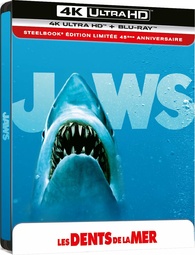
The Teeth of the Sea
Source France | Publisher : Universal Pictures | Release date : 10 June 2020
Video format
2160p24 | Ratio 2.35
HDR10 | HDR10+ | Dolby Vision | BT.2020
HEVC encoding | DI 4K
Soundtrack
English Dolby Atmos
English DTS 1.0
French DTS-HD HR 7.1 (rerolling 2005)
French DTS 1.0 (film doubling 1975)
Subtitles
English
French
Artistic : 10 | Video : 9.5 | Audio : 9
WORK – Born from a chaotic shooting where the mechanical shark played divas, The Teeth of the Sea Yet it has been imposed as a pillar of the US cinema, mixing amazing actors, mythical replicas, anxiogenic atmosphere, cult sequences and iconic music. True baptism of maritime horror, it still nourishes our aquatic fears and recalls that the danger arises long before we demand « a bigger boat ». The shores of popular cinema are still marked.
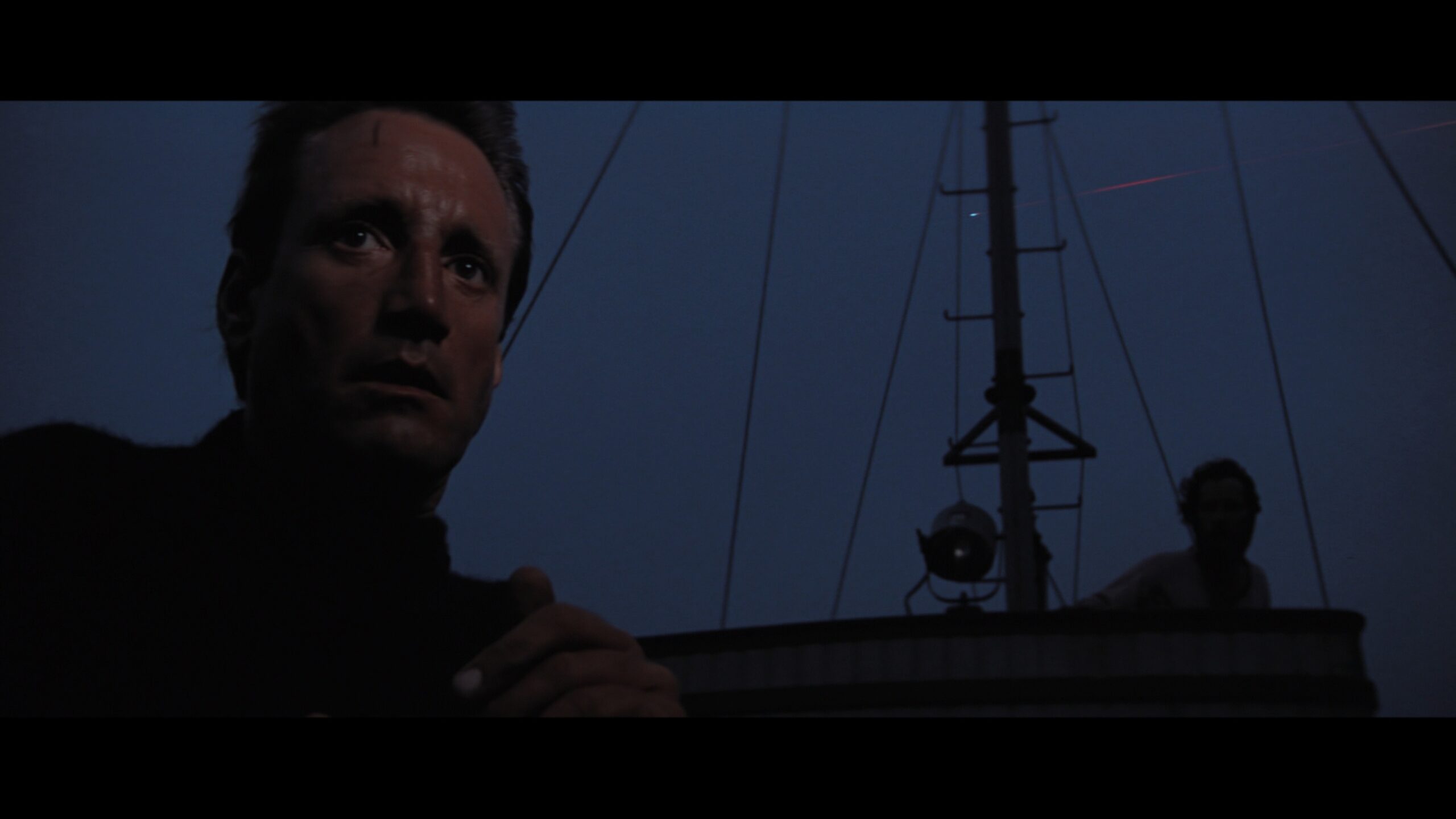
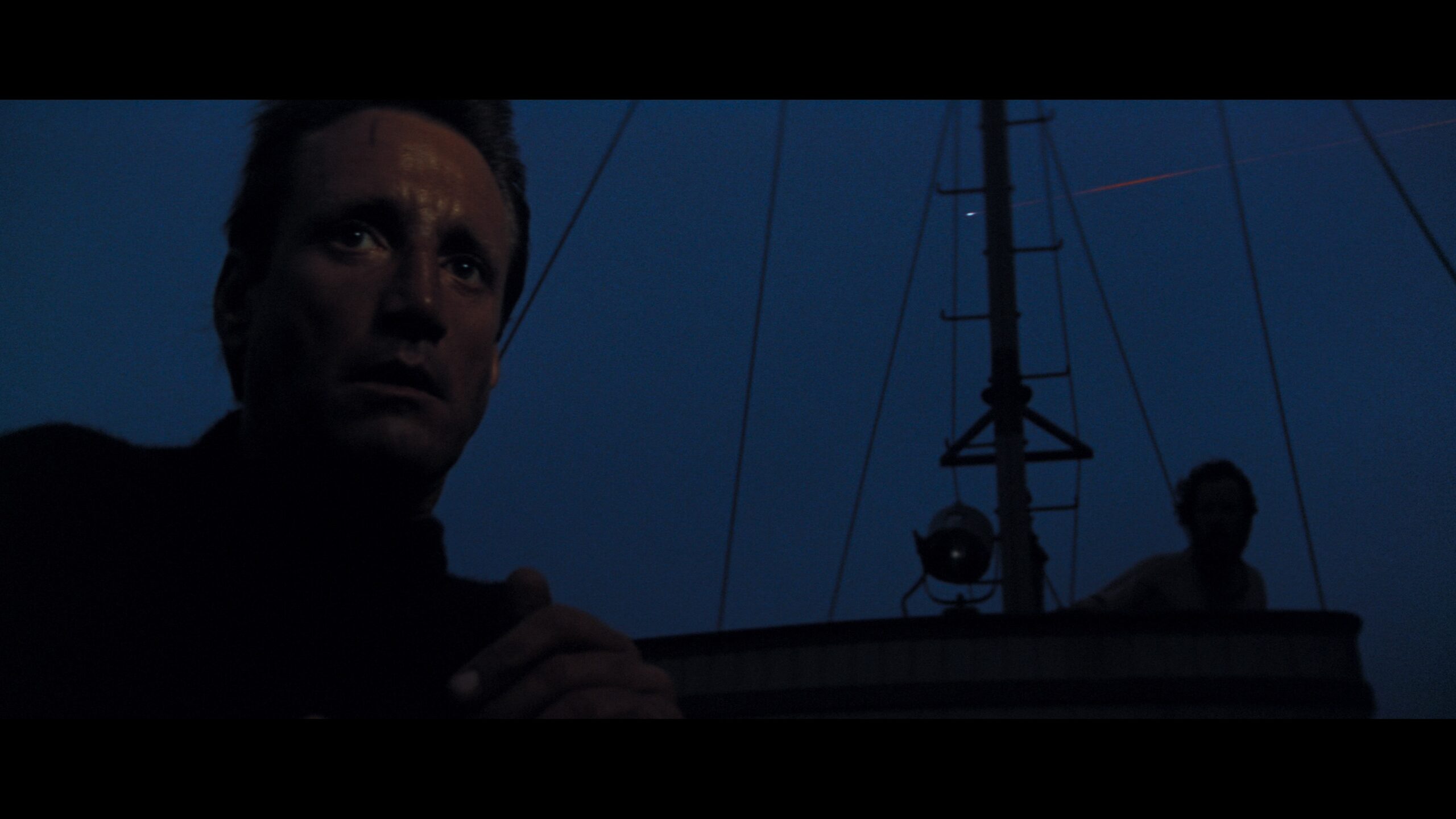
IMAGE – Coming from the 35 mm negative restored in 4K, this UHD transfer impresses with fine grain, exemplary stability and precision that magnifies each texture. The DV (or HDR10+), applied with restraint, densifies colors (blue, green and red), strengthens blacks and illuminates high lights without excess. Marine reflections, night shadows and anamorphic material are gaining in relief. A presentation of remarkable cleanliness, faithful to the Eastman rendering typical of the 70s.

SON – The VO Atmos delivers an enlarged scene, where the forehead remains sovereign while the laterals sculpt a precise acoustic halo: clear dialogues, wide score, nervous marine impacts, attacks of the shark superbly localized (the charges against theOrca) and low firm during mechanical breaks. Verticality, discreet but judicious (liquid stamps, maritime patrol helicopter), densify immersion. VF 7.1 well modernized. Tracks 2.0 times more rough.
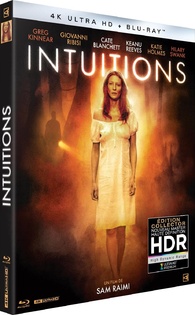
Intuition
Source France | Publisher : The image workshop | Release date : 19 May 2026
Video format
2160p24 | Ratio 1.85
HDR10 | Dolby Vision | BT.2020
HEVC encoding | DI 4K
Soundtrack
English Dolby TrueHD 5.1
Subtitles
French
Artistic : 7.5 | Video : 9 | Audio : 9
WORK – This fantastic thriller settles in a moisturizer that clings to nerves advances with voluntary slowness, as if each scene was trying to retain something disavowed. The narration sometimes stumbles, especially when the identity of the culprit sketches too early, but tension remains, diffuse. Cate Blanchett, flickering in the mist, imposes a inhabited fragility, while the dark malice of Sam Raimi makes mercilessly shiver. In the end, a troubled elegance persists.
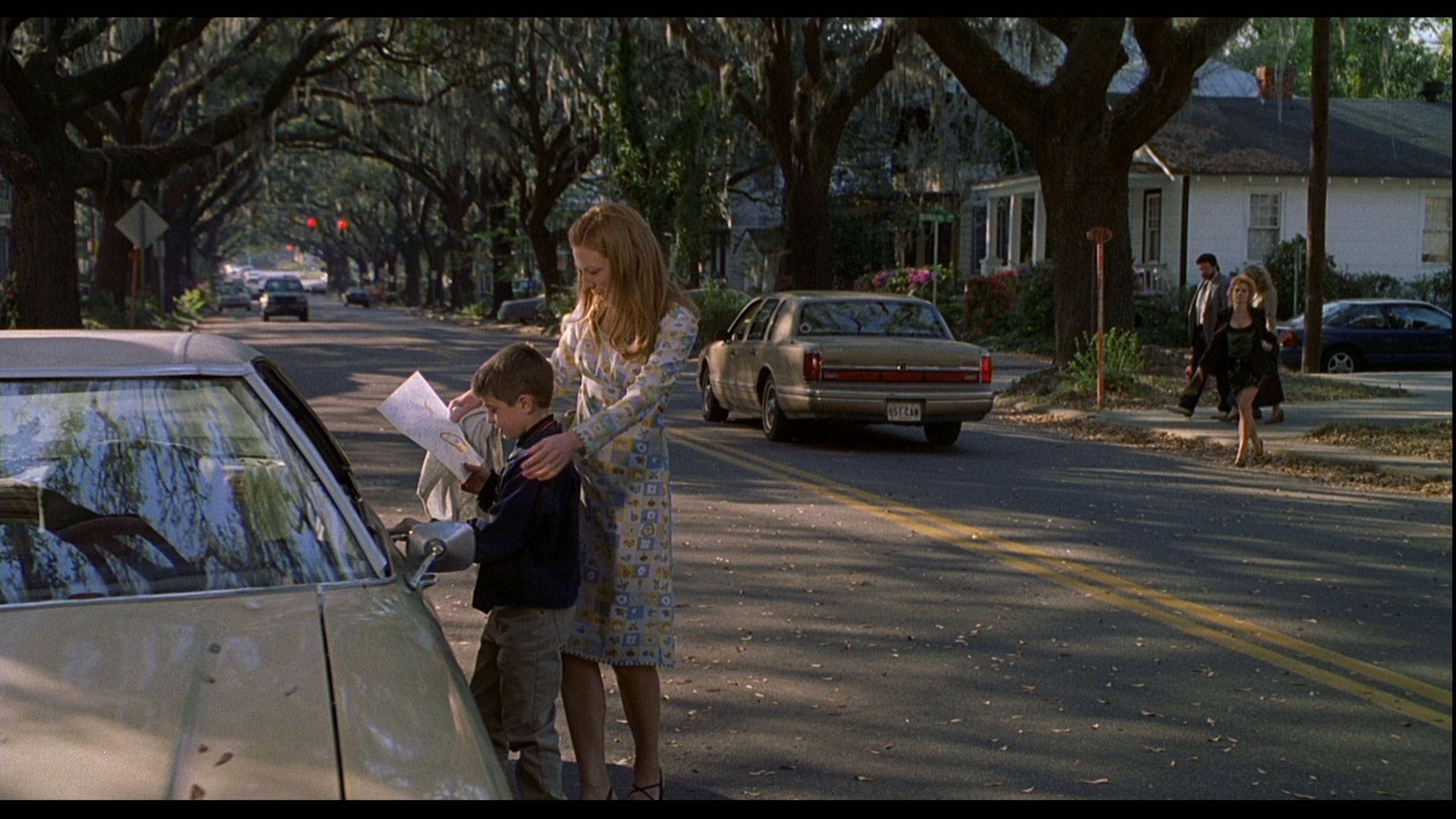
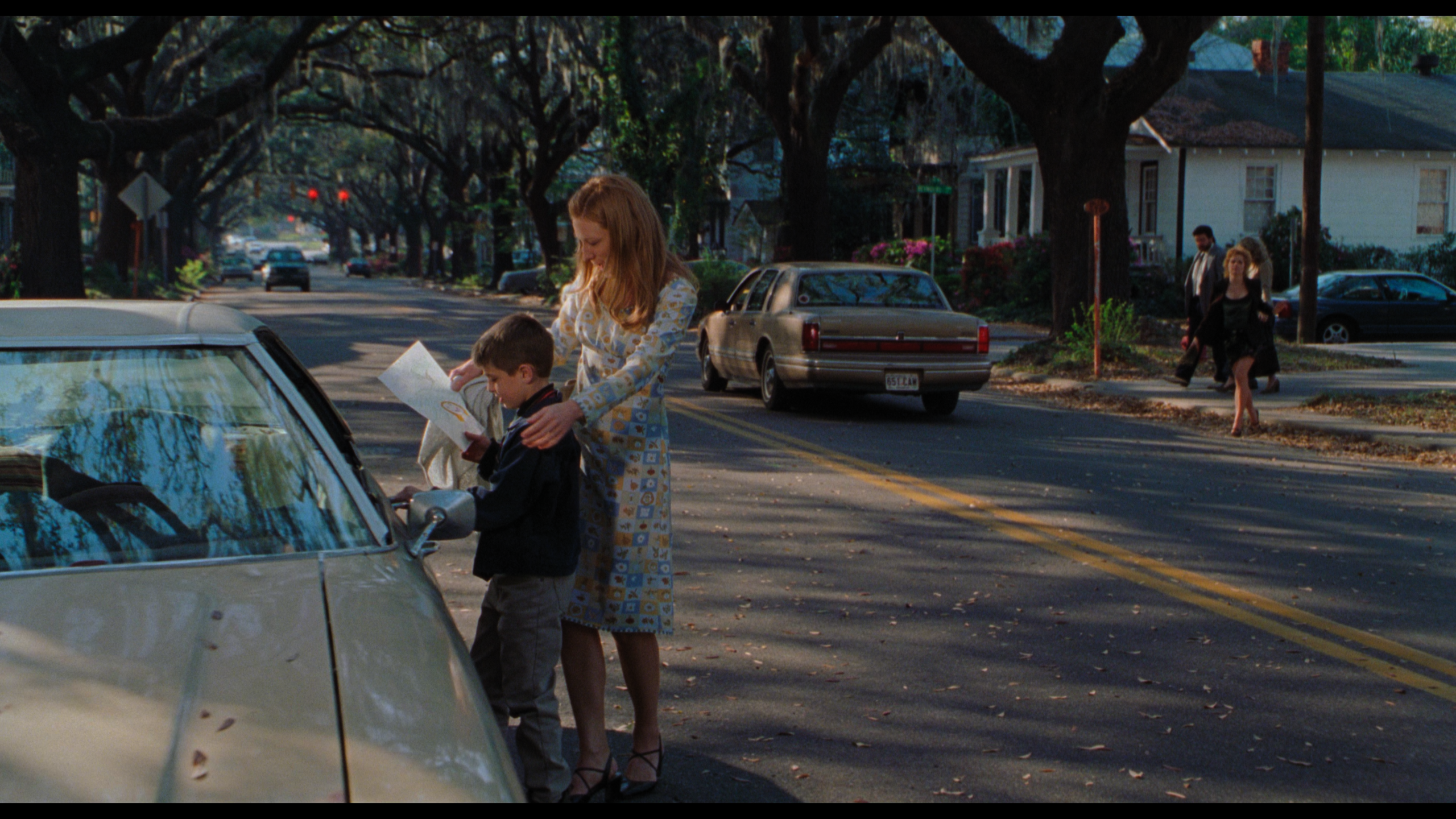
IMAGE – The 4K restoration reveals a natural film material, previously altered by filtering, from a 35mm intervector exploited with surprising finesse (the grain). The piqué remains solid, from close-up to broad compositions, supported by incisive contrast and cleanliness close to being exemplary. The diffuse sweetness of photography finally affirms. The DV breathes better controlled heat, extends the luminous dynamics, vitalizes the pallet and enhances the legibility of the shadows.

SON – This Dolby TrueHD 5.1 mix shapes a soundscape of great precision: the dialogues, solidly anchored to the front, remain clear, with their felted passages included, while the music stretch its anxious motifs by taking advantage of a very active rear scene. From micro-details of the environment to the « redneck » of Keanu Reeves, the effects, sometimes subliminal, fully participate in dramaturgy. In spite of a less profound base, the VF is just as solid as the VO.
Associates (1991)
Source France | Publisher : Metropolitan Video | Release date : 07 August 2026
Video format
2160p24 | Ratio 1.85
HDR10 | Dolby Vision | BT.2020
HEVC encoding | DI 4K
Soundtrack
Cantonese DTS-HD MA 5.1
Cantonese DTS-HD MA 2.0
English DTS-HD MA 5.1
French DTS-HD MA 2.0
Subtitles
French
Artistic : 7 | Video : 8.5 | Audio : 7
WORK – This act-comedy entertainment, lively as a choreographed shot, seduces by its cabotin trio (Chow Yun-fat in the lead) and its malicious acrobatics. You can feel a filmmaker revising his tragic image, juggling light romance, stylized shootings and very Hong Kong humour. Of course, the whole goes from rooster to donkey regularly, but this leaping break-up, between cascading burglaries and upset loyalty, remains a frank but contained pleasure.
IMAGE – The addition of the new 4K scan of the 35 mm negative is immediately felt: a significantly increased definition, a preserved grain, much more vivid contrasts and a reinflated colorimetry (the red Austin-Healey). Apart from a few planes from optical elements, softer and slightly marked by tiny scratches, this UHD transfer shows remarkable accuracy. The luminous dynamics (reflections on water, flames) take full advantage of Dolby Vision calibration.
SON – The VO mono reveals an assaine sound material, where post-synchronized dialogues become sharp despite a capricious simplicity. The impact of weapons and prosecution remains measured, while revealing a long-held depth. The music, although slightly braided in the top of the spectrum, retains its energy. Runway 5.1 expands the space with too much restraint. Less open in its two variations, VF suffers from unconvincing dubbing.
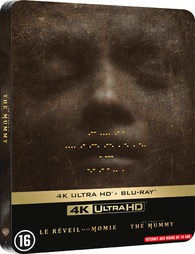
The Awakening of the Mummy
Source France | Publisher : Warner Bros. | Release date : 19 August 2026
Video format
2160p24 | Ratio 2.39
HDR10 | Dolby Vision | BT.2020
HEVC encoding | DI 4K
Soundtrack
English Dolby Atmos
Dolby Digital 5.1 English
Subtitles
English
French
Artistic : 8 | Video : 10 | Audio : 10
WORK – This film of contemporary horror cultivates a creeping tension, playing narrative strips to wrap the spectator in a lasting malaise. The staging, which combines gore pops and eye precision, relies on credible performances, especially among the younger ones. Despite influences difficult to miss (Exorcist) and a familiar structure, the sepulchral imagination operates. An effective proposal, confirming the vitality of the myth of mummy.
IMAGE – In this native 4K master, the photo exploits peaty blacks and a dominant austere earthy, revealing carefully every fiber, crack and organic texture with implacable sharpness. Dusty environments, tentacular corridors and burned exteriors have stable depth, supported by robust flow. The DV accentuates the shadows, strengthens the light sources and intensifies the blood reds, consolidating a resolutely putrid atmosphere.
SON – The VO Atmos spreads a striking verticality, where the terrifying sound effects spring from the heights, slide into the walls, hit the back room and saturate the space of movements sometimes stealthy or violent. The atmospheres, such as an omnidirectional threat (sandstorm), circulate without break, while the massive LFE shakes the room during supernatural eruptions. The voices remain intelligible. In VF DD 5.1, horror remains nailed to the ground.
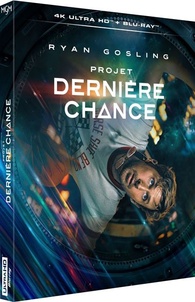
Project Last Chance
Source France | Publisher : Amazon MGM Studios | Release date 26 August 2026
Video format
2160p24 | Ratio 1.78, 2.39
HDR10 | Dolby Vision | BT.2020
HEVC encoding | DI 4K
Soundtrack
English Dolby Atmos
English DTS-HD MA 5.1
Subtitles
English
French
Artistic : 8.5 | Video : 10 | Audio : 10
WORK – Powered by contagious energy, this SF thriller feels-good succeeds in combining spatial tension and narrative malice. The adventure, doped by a rejoicing inventiveness, advances with a sense of rhythm worthy of cosmic choreography. Ideas fuse, emotions follow, and the whole unfolds an unexpected humanity. Ryan Gosling has a gravitational charm, while the Lord-Miller duo captures the sidereal isolation. Faithful to the novel, a real success.
IMAGE – This UHD presentation offers a line definition, revealing a level of careful texture on metal structures, rocky asperities and faces. The DV has a faithful colorimetry, deep blacks and a luminous management of great purity. Saturated shades remain natural, while variations in the ratio (1.78 / 2.39) best preserve the visual scope of the IMAX experience. Unfailing consistency, reinforced by massive flow.
SON – With its particularly wide sound architecture, the VO Dolby Atmos sculpts space by deploying environmental clues with amazing accuracy. The dynamic hits during live sequences, the dialogues are crystal clear, the bottom of the spectrum is firmly held and the spatialization actively animates the room, assisted by high channels making the atmospheres breathe. Even if confined to the floor of the modules, the VF lossless retains the same intensity.
The Proy of Autostop
Source France | Publisher : The Smoker Cat | Release date : 1 June 2026
Video format
2160p24 | Ratio 1.85
HDR10 | Dolby Vision | BT.2020
HEVC encoding | DI 4K
Soundtrack
Italian DTS-HD MA 2.0
French DTS-HD MA 2.0
Subtitles
French
Artistic : 7.5 | Video : 8.5 | Audio : 7.5
WORK – This Italian thriller of the 70s twists the codes of the road movie by turning the car into a space of oppression, where the road does not open more horizons but tightens the psychic state. In this minimalist camera, mental pressure stifles, revealing a male domination that reveals the moral bankruptcy of patriarchy. The bloody ride moves forward like a game of cat and mouse, disturbing, tense and strangely hypnotic, in which irony of fate slams like a flat tire.
IMAGE – The 4K restoration, resulting from the original 35 mm negative, delivers a clearly assailed image, redacted from the scanner noises which until then altered depth and definition. The grain retains its organicity, while the luminous exteriors gain in relief and the nocturnal sequences readability. The HDR refines the luminous gaps without excess, reinforcing nuances and textures. Rebalanced colorimetry, better maintained contrasts, careful cleaning: everything is remarkably controlled.
SON – The soundtrack, proposed in dual mono, offers a generally healthy restitution, with a correct dynamic for a mix of the era. Morricone's compositions enjoy an appreciable presence, and only the music played at the corner of the fire reveals a more boxy and slightly crapped signature. VF cavernous less ventilated. The regrettable absence of the English version, however main language during the shooting, deprives the edition of the original vocal performance.
Crime 101
Source France | Publisher : Amazon MGM Studios | Release date 26 August 2026
Video format
2160p24 | Ratio 2.39
HDR10 | Dolby Vision | BT.2020
HEVC encoding | DI 4K
Soundtrack
English Dolby Atmos
English DTS-HD MA 5.1
Subtitles
English
French
Artistic : 9 | Video : 10 | Audio : 9.5
WORK – This tense polar finds its strength in the narrative precision of Bart Layton, whose methodical staging prolongs a filiation assumed with Michael Mann (The Solitaire, Heat). This procedural approach feeds a continuous tension, carried by a dry mounting, a raw elegance and a sense of sharpened rhythm. Chris Hemsworth, methodical and unscrambled, anchors the story with a concentrated intensity that enhances the effectiveness and humanity of the film. A perfectly oiled break.
IMAGE – A chiselled definition, exposing a marked relief between Californian exteriors burned by the sun and more felted interiors. The DV stabilizes the shadows, discipline the luminous peaks and supports a voluntarily sober palette, in a pure « THE black ». Fine textures, be they faces or urban materials, remain impeccably restored. This visual precision underscores, in hollow, the cracks of an American dream now washed away by its own light. Solid encoding.
SON – The Atmos VO imposes by a wide acoustic field, supported by a lively dynamic, low firmness and a panoramic of great coherence during the prosecution. Road atmospheres, bars and public spaces breathe naturally, while the upper scene favours atmospheric immersion. The set composes a rigorous audio tray, enveloping without ever looking for sound steering. Without verticality, the VF lossless plays its « stroke » straight away.
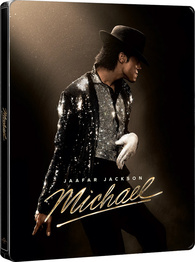
Michael (2026)
Source France | Publisher : Universal Pictures | Release date : 02 September 2026
Video format
2160p24 | Ratio 1.85
HDR10 | Dolby Vision | BT.2020
HEVC encoding | DI 4K
Soundtrack
English Dolby Atmos
English Dolby Digital Plus 7.1
Subtitles
English
French
Artistic : 7 | Video : 9 | Audio : 9.5
WORK – This musical biopic advances with the assurance of a very well oiled show: inhabited performances, contagious stage energy, legendary tubes and some fulgurances where it is believed that the moonwalk is reborn. But behind the brilliance, the story remains too wise, bypassing the shadow zones to favor a sometimes smooth celebration. We come out entertained, carried by the rhythm and myth that has redesigned the pop, even if he lacks a real dramatic thrill to find his own beat.
IMAGE – Captured in digital with film inserts (16 and 35 mm), the 4K master has a variable texture where some planes see the digital grain intensify. The precision remains remarkable, revealing decorations, skins and accessories with constant sharpness. The DV enriches the red outfits, consolidates the blacks and energizes the plate lighting. The iconic costumes, stage space and studio elements are gaining in relief, while some CGI betray their origin.
SON – From the first measurements, the VO Atmos imposes a sound architecture of a crazy magnitude, combining vocal impulses, harmonic pulses and finely distributed crowd reactions. High voices expand space during performances, while more intimate sequences reveal a meticulous acoustic model. The serious, reactive, clean and overflow-free registry contributes greatly to immersion. VF, disenchanted, dilutes the singularity of the King of Pop.
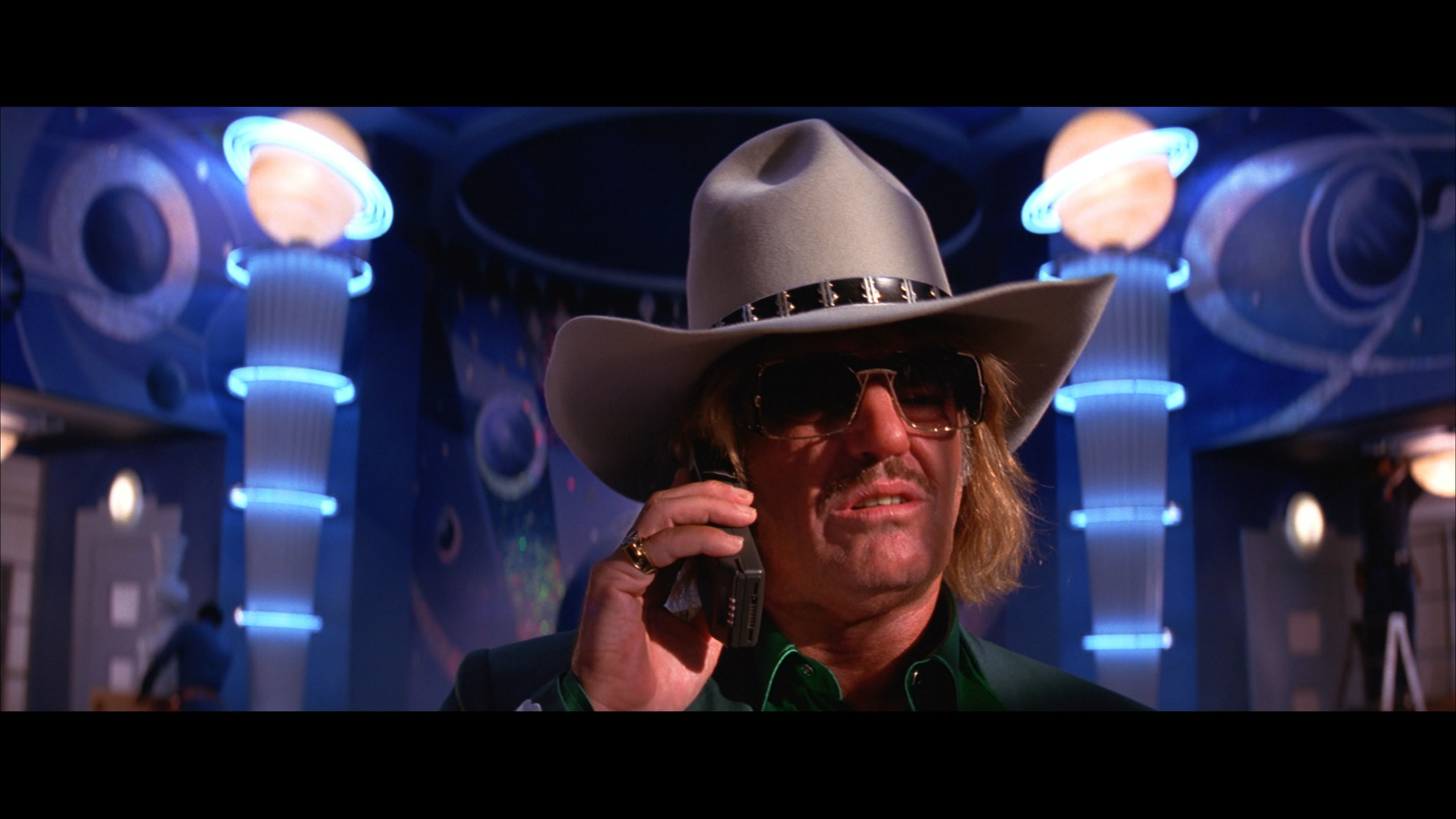
Mars Attacks!
Source France | Publisher : Warner Bros. | Release date : 19 August 2026
Video format
2160p24 | Ratio 2.39
HDR10 | Dolby Vision | BT.2020
HEVC encoding | DI 4K
Soundtrack
English Dolby Atmos
English DTS-HD MA 5.1
Dolby Digital 5.1 English
Subtitles
English
French
Artistic : 7 | Video : 9.5 | Audio : 8.5
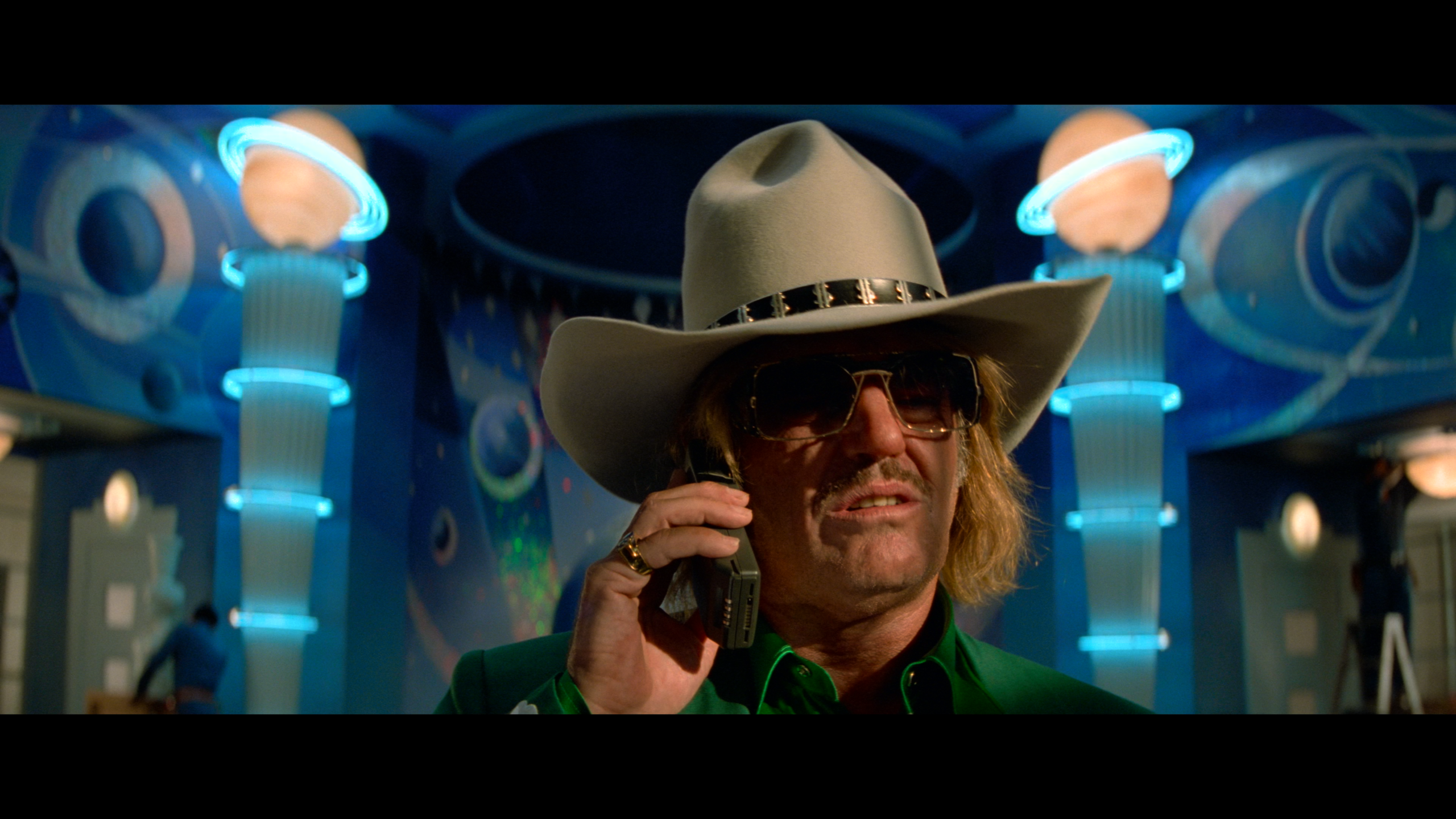
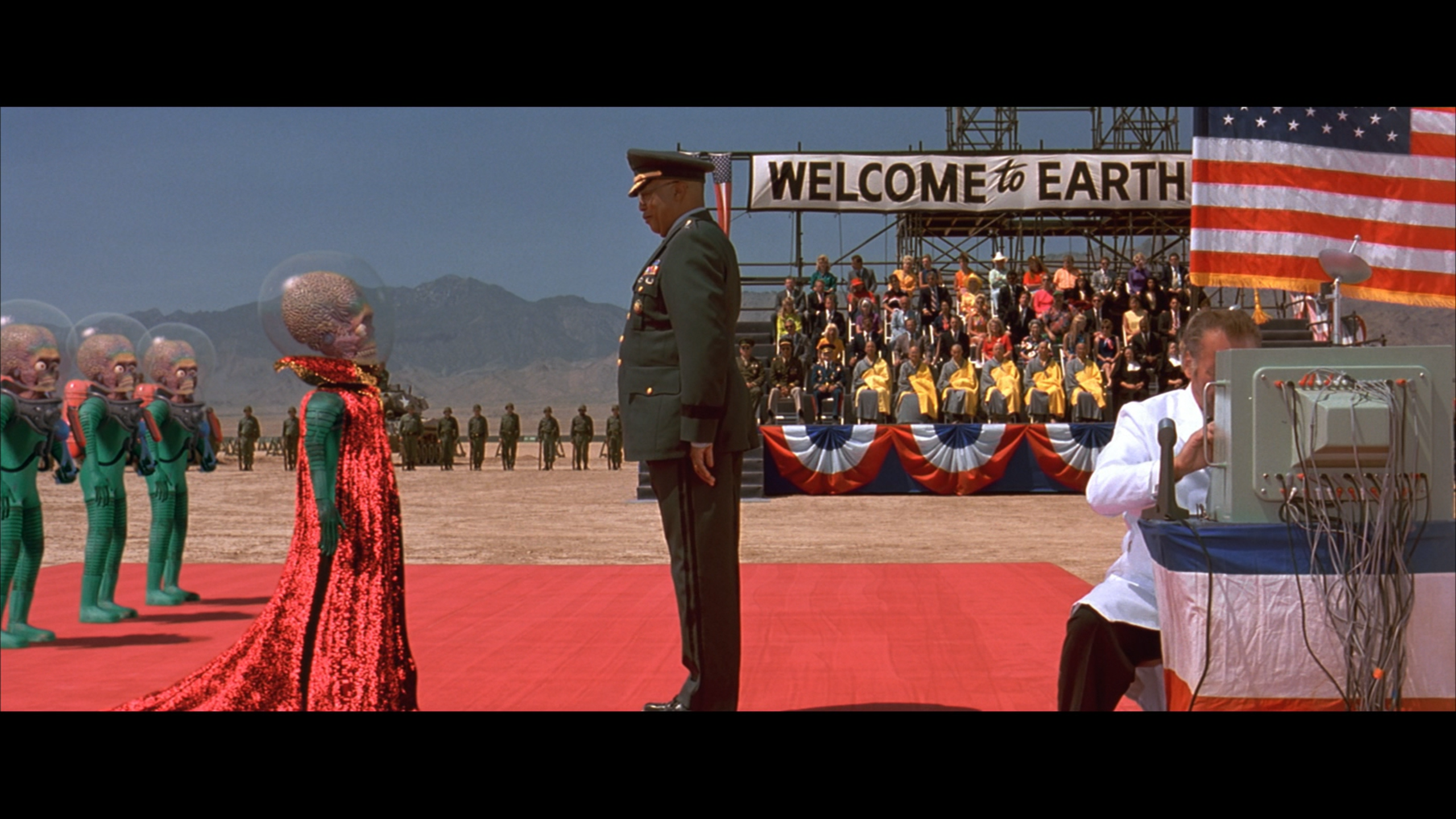
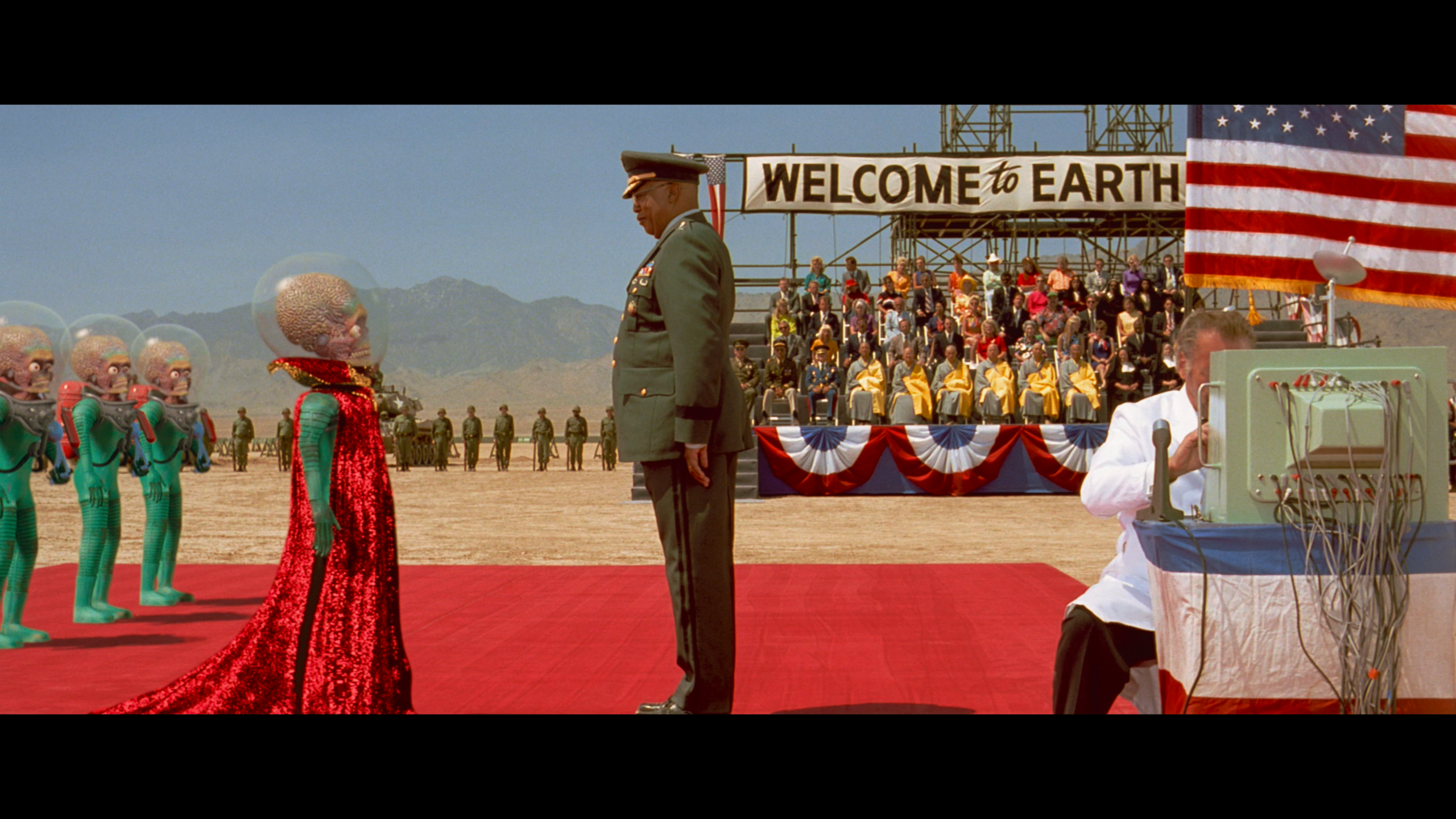
WORK – Pastiche from the SF of the 50s, this film dynamizes the codes of the genre with a cabotine humor while ridiculing Yankees and heroism in cardboard. Anti-Independence Day assumed, it transforms alien invasion into satire pop, brilliant most of the time, but prone to Martian packs. Some gags stretch, some scenes make noise for noise, but this acid fantasy « find peace » in its anarchic energy and its playful chaos.
IMAGE – Based on a 4K scanning of the original 35 mm negative, this presentation displays doped colors in a retro technicolor way (green, red, purple), an intact grain and crazy sharpness. Composite effects melt better thanks to the silver texture, while DV pulls all-va (laser rays, explosions, holographic interfaces) without over-cooking saturation. Solid encoding, fine scan and artistic consistency: a technical patchwork of surprising homogeneity.


SON – The revamped VO Dolby Atmos extends the sound scene by focusing on frontal dynamics, where dialogues remain firm and impacts increase in density. The rear channels, especially dedicated to Danny Elfman's score, release only a few bursts during attacks, while verticality remains intermittent (aircraft). Enhanced directed and bass effects accentuate the tohu-bohu. The VF regains its Parisian dubbing, but the compressed track is atomized.
Barbarus
Source France | Publisher : 20th Century Studios | Release date : 09 September 2026
Video format
2160p24 | Ratio 1.50, 1.85
HDR10 | Dolby Vision | BT.2020
HEVC encoding | DI 4K
Soundtrack
English DTS-HD MA 5.1
French DTS-HD HR 5.1
Subtitles
English
French
Artistic : 8.5 | Video : 8.5 | Audio : 9
WORK – This horrific survival plays with the address of the false-liker to twist expectations, advancing like a real estate visit that derails in nightmare. Space management, calculated, accentuates claustrophobia, the ruptures of yours slam like a door in a dark corridor and the scenario, clever, stacked twists and moral slides without losing its wire. Between social satire, black humour and visceral terror, the horror stretches here like a baby of Tobe Hooper.
IMAGE – This digital capture offers in 4K Ultra HD a much higher return than streaming, with a DV better revealing the low luminance, chromatic transitions (malady yellows) and fine details (skin reliefs, textiles, dilapidated surfaces). Darkness, well densified, increases in readability despite sometimes raised blacks, while the macabre atmosphere benefits from a better articulation of micro-contrasts. Video noise inherent to the original material.

SON – Like a live acoustic structure, the 5.1 mix sticks to narrow corridors to release furtive movements perfectly channeled by the sides. Small noises (manipulated tools, breaths), coupled with credible external atmospheres, breathe immediate relief. The LFE channel anchors with density (underground grooves, heavy shocks, organic pulses), and the voices are inserted smoothly. More "secure", the VF DTS-HD HRA explores tunnels less deeply.
The Drama
Source France | Publisher : Metropolitan Video | Release date : 07 August 2026
Video format
2160p24 | Ratio 1.85
HDR10 | Dolby Vision | BT.2020
HEVC encoding | DI 4K
Soundtrack
English Dolby Atmos
English DTS-HD MA 5.1
Subtitles
French
Artistic : 7.5 | Video : 9.5 | Audio : 8.5
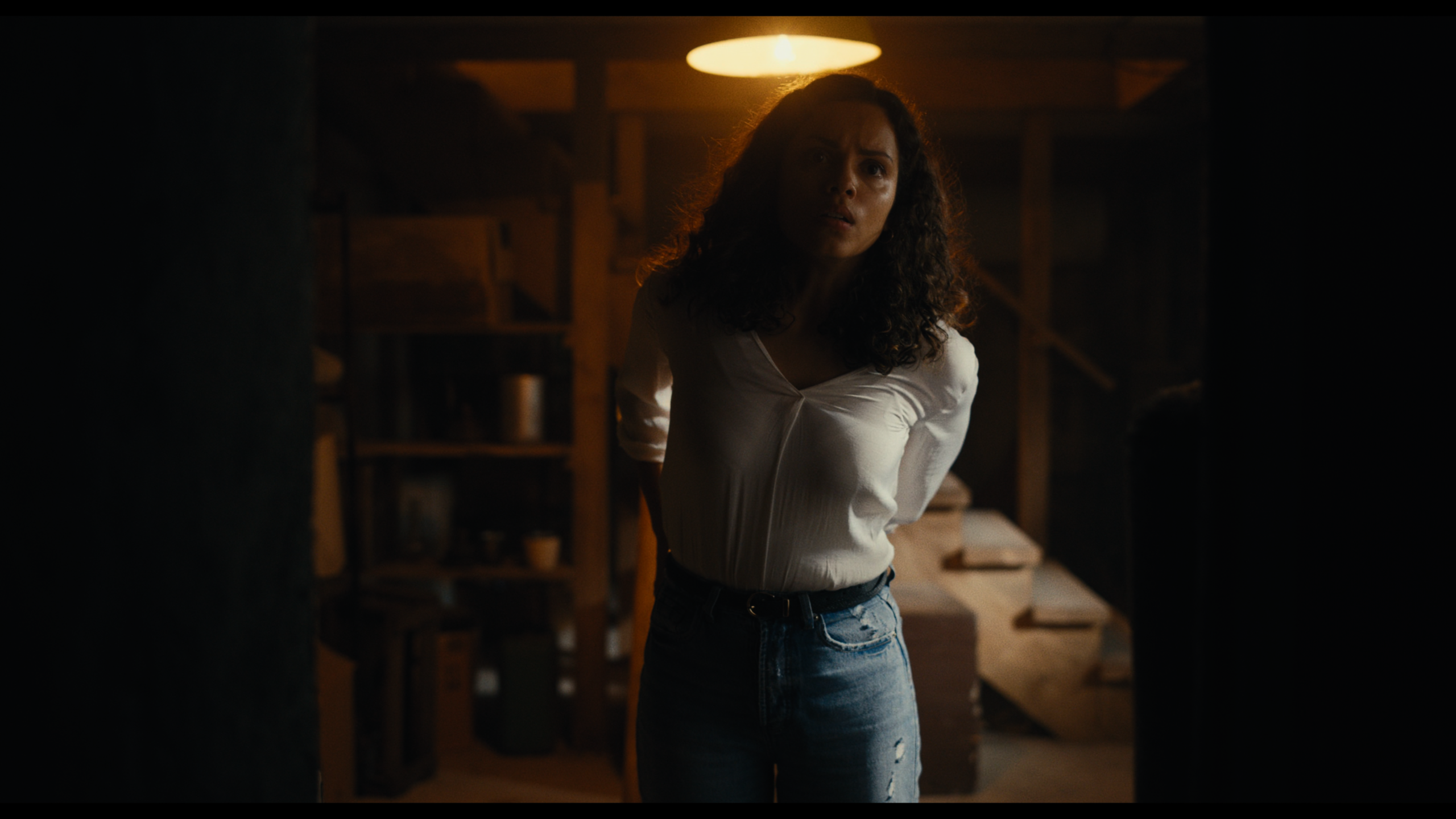
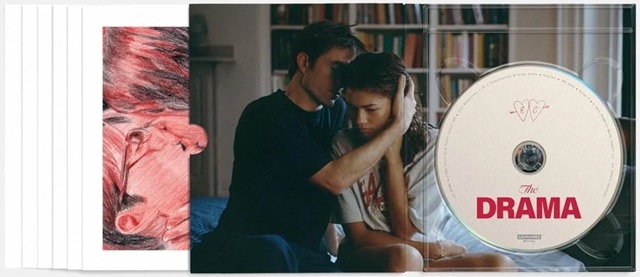
WORK – Comedy dramatic grinning, The Drama progressed as a step of two benches where Zendaya and Robert Pattinson turned each confession into sentimental cross-fire. Kristoffer Borgli orchestrates a ceremony of false-likers, between lying flashbacks and farce visions, which makes laughter yellow while clasping the throat. We're thinking of a « action or truth » Marital, where love wanks but never really breaks, despite the knives dancing in the heads. So, is that yes?
IMAGE – From a filming on film Kodak 35 mm, the master 4K exposes an authentic silver texture, sometimes rougher on the high lights, especially when opening in the coffee where the grain densifies. Fine details remain impeccable, while the Dolby Vision subtly strengthens contrasts and stabilizes blacks without altering the frame's organic patina. The palette, sober and slightly warm, remains remarkably stable in its tonal variations.
SON – The DTS-HD MA 5.1 mix offers a homogeneous VO and VF restitution advancing as a perfectly tuned couple. The dialogues, centered and clear, naturally integrate into a stable frontal scene, while the exteriors, rich in micro-ambiences, reinforce immersion... Although spatialization, deliberately measured, remains discreet. The three flute score, diffused with magnitude, unfolds laterally without excess, and the isolated impacts use a moderate LFE.
The commercialized version finally incorporating an Atmos VO, please refer to the description below to accurately assess the capabilities of this track.
Published July 07 at A24, the US digipack advances for its wedding by adorning itself with a VO Dolby Atmos whose fine verticality, far from any scramble, establishes a natural relief: the reverberation of Boston's crowded coffee, the heavy rains of New England and, above all, the way Emma perceives the world, when the upper canals marry her handicap and shape a stifled echo ceiling.
🌎 Comes from elsewhere
Mortal Kombat Kollecte
Source United Kingdom | Publisher : Arrow Films | Release date : 29 June 2026
Video format
2160p24 | Ratio 1.85
HDR10 | Dolby Vision | BT.2020
HEVC encoding | DI 4K
Soundtrack
English DTS-HD MA 5.1
English DTS-HD MA 2.0
Subtitles
English
Artistic : 5 | Video : 9 | Audio : 8.5
WORK – A breath of nostalgic uppercut passes through this adaptation of the video game Mortal Kombat, where the first film swings a « finish Him » with a rather charming candeur, plastic cabrioles and cardboard thunder included. Then comes the sequel, true « fatality » artistic chaos, where every idea collapses like a drunken fighter. Oscillating between assumed kitsch and spectacular shipwreck, they form a bench diptych, sharp scar of the most horrific wanderings of the 90s.
The resounding failure of the second opus comes from a hasty shooting, a tinkered scenario at dawn, abandoned effects along the way and a poorly interpreted test projection. Convinced of having an assured success, the producers frozen the raw assembly (a working version), delivering an unfinished object (temporarySFX, unfinished calibration), noisy witness of an industrial arrogance typical of the 90's.
IMAGE – These two UHD Dolby Vision restorations, derived from a 4K / 16 bit scan of 35 mm negatives, show a much higher accuracy than the previous Blu‐ray: increased sharpness, more living textures, strong silver patina, stable frame. The colorimetric palette, now more natural, energizes the bluish atmospheres and deep shadows. Light sources, more channeled, increase in density. Despite digital effects dated, it is a « flawless victory ».


SON – In these two soundtracks DTS-HD MA 5.1 where rhythmic fury imposes itself as soon as unforgettable Techno Syndrome, frontal intensity becomes the common signature. The surrounds activate with varying vigour depending on the opus, the suite offering significantly more expansive spatialization, while the LFE, although less firm than current standards, retains percussive energy. Despite sometimes perceptible post-synchronization, the readability of dialogues remains. DSP 3D to activate.
Sirāt
Source United Kingdom | Publisher : Altitude Films | Release date : 25 May 2026
Video format
2160p24 | Ratio 1.85
HDR10 | Dolby Vision | BT.2020
HEVC encoding | DI 4K
Soundtrack
Spanish Dolby Atmos
Spanish LPCM 2.0
Subtitles
English
Artistic : 9.5 | Video : 8.5 | Audio : 9.5
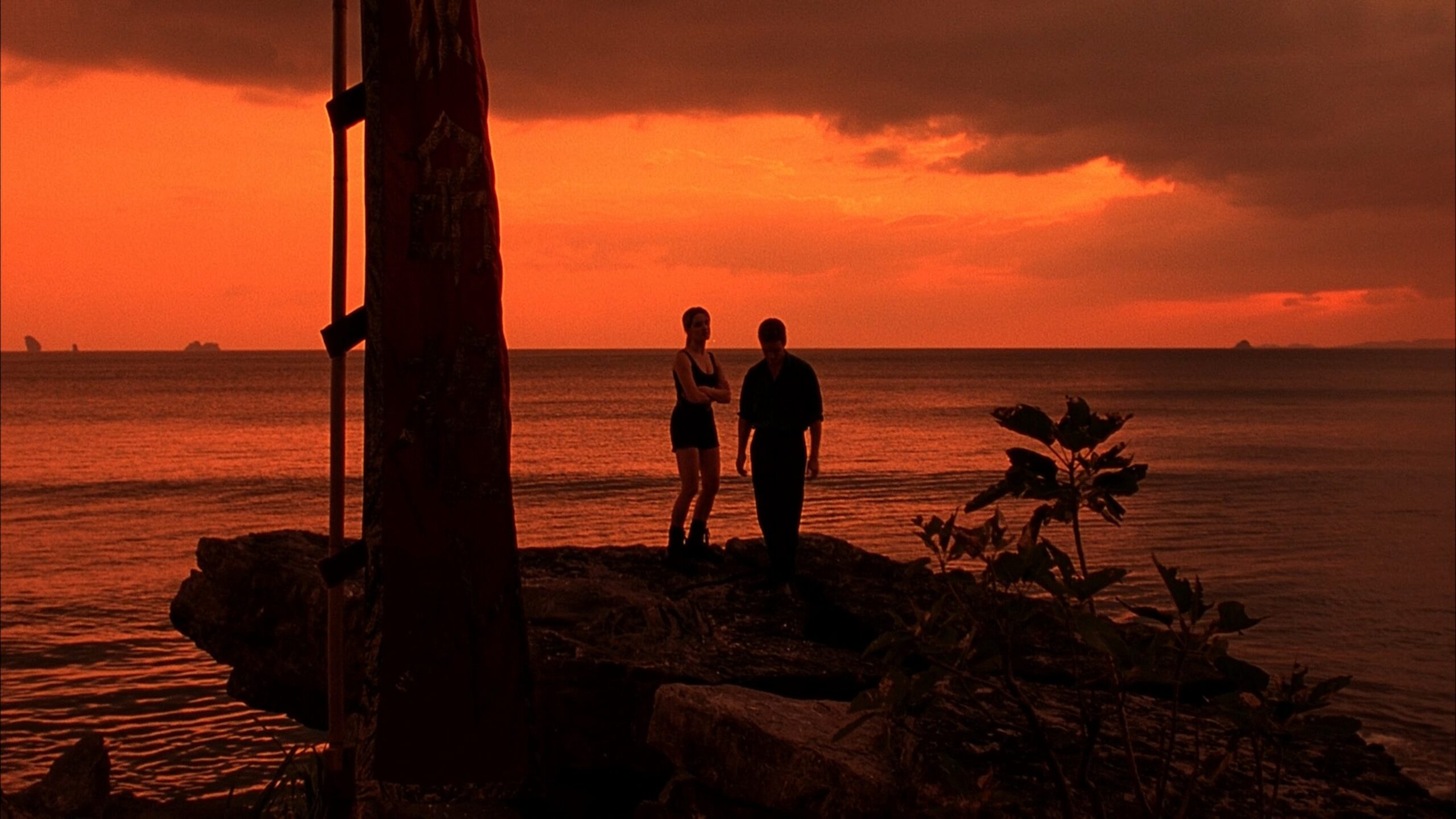
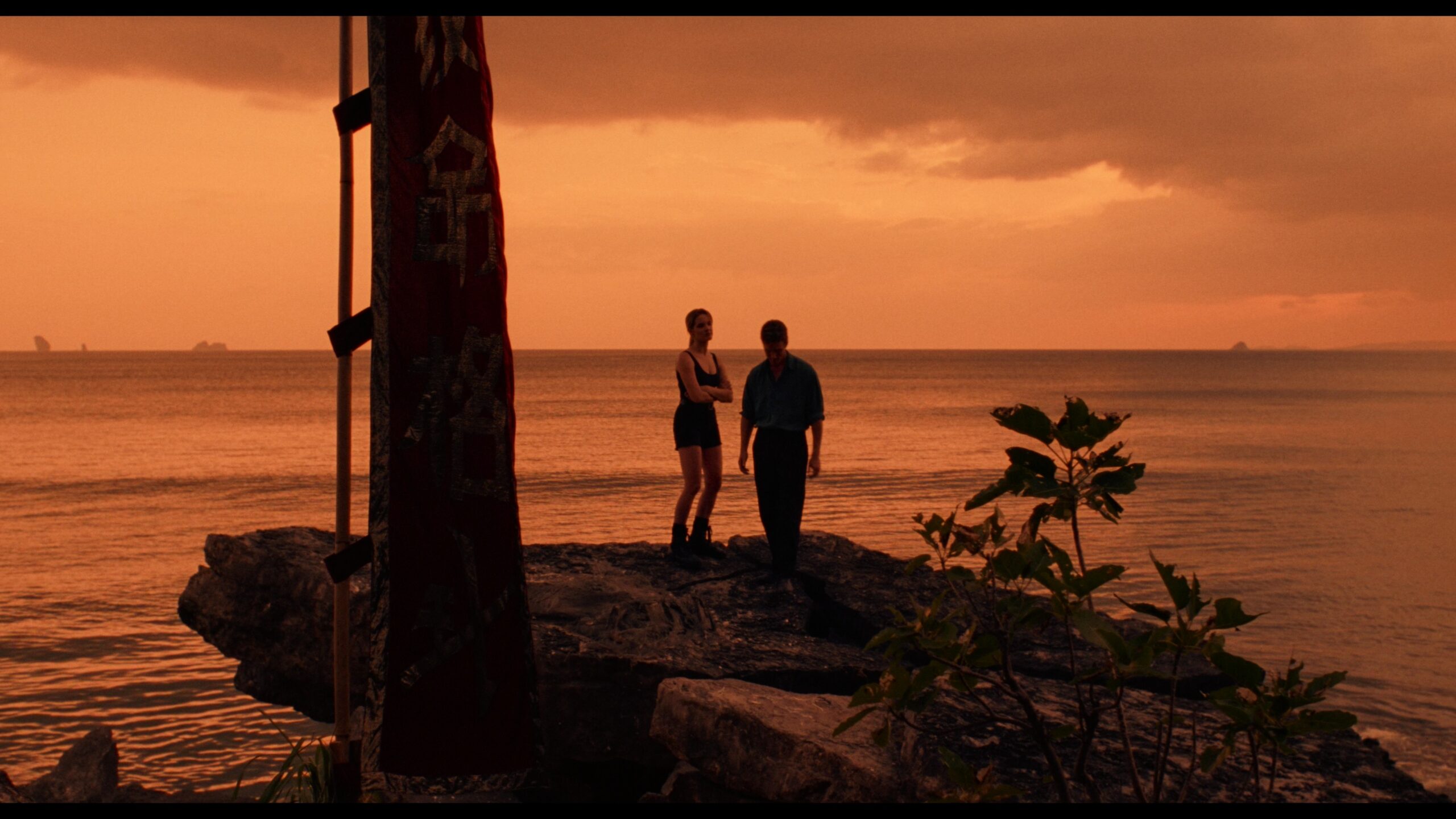
WORK – In the incandescent purgatory of a desert filmed in 16 mm by a Malick Terrence in acid trance, this Salary of fear hallucinated leads us into a technological road-movie where a father, in search of his missing daughter, sinks with his son into a rave of metaphysical loneliness and collective dextase. A film shock where dunes hide the end of the world and where dust reveals open wounds. Between heaven and hell, a path of psychedelic cross.
IMAGE – This UHD transfer imposes a Super 16 texture of a carnal density, where desert, body, sweat, tissue and dust make up a vibrant material. The colours, between burning whites and dusty ochres, seek the state of the world: the photo ignites nights and raves, while the DV gives each bright glow a physical presence... starting with the sun, which consumes the frame. Despite a BD-100, the grain is sometimes curiously dragging or frozen.
SON – This Atmos mix asserts itself as a determining element, as the mastery of the sound field proves remarkable. The techno, supported by a serious foundation of rare power, dialogue with a careful acoustic landscape: wind blast, tire squeaks, metal complaints, animal life, distant rumblings. And when the music reappears or the horror strikes, the dynamic amplitude becomes striking, without disturbing the multilingual replicas, perfectly articulated.
Jumpers
Source United States | Publisher : Disney | Release date : 02 June 2026
Video format
2160p24 | Ratio 1.85
HDR10 | Dolby Vision | BT.2020
HEVC encoding | DI 4K
Soundtrack
English Dolby Atmos
English Dolby Digital Plus 7.1
English Dolby Digital 5.1
English Dolby Digital 2.0
English (Quebec) Dolby Digital Plus 71
Subtitles
English
French
Artistic : 7.5 | Video : 10 | Audio : 9
WORK – Like a playwright beaver, this eco-friendly fable way Avatar in animals questions the fragility of ecosystems and the modern panic of living, multiplying the visual findings. Cartoon animation is irresistible, the characters leaping and the rhythm runs straight, without time dead. But behind the conceptual dam, emotion leaks: predictable narrative, sometimes too absurd humour, scattered themes. But the tenderness of the lamp Pixar Keep lighting up.
IMAGE – A master 4K of remarkable vivacity, where animal textures, undergrowth foliage and chromatic nuances unite under a measured Dolby Vision. Each decor is wrapped in an impressionist softness worked, while the increased definition reveals subtly shaped materials. The light points, rare but precise, energize the key scenes (the council meeting, the political meeting, the fire) and reinforce the depth of the night plans.
SON – The VO Atmos delivers a wide sound scene, where forest rust, animal agitation and water runoff wrap the space with precision. The vertical channels add an expressive height a few times (the attack of the owl, the immersion in the river), while the final ravaged by the flames releases a frankly assailant energy. Dialogues remain clear, and the score affirms its presence. The more contained VF is less playful on the site.
Shelter
Source Italy | Publisher : Eagle Pictures | Release date : May 2026
Video format
2160p24 | Ratio 2.39
HDR10 | BT.2020
HEVC encoding | DI 4K
Soundtrack
English DTS-HD MA 5.1
Italian DTS-HD MA 5.1
Subtitles
Italian
Artistic : 7.5 | Video : 8.5 | Audio : 9.5
WORK – This muscular thriller advances like a survival driven by a sentimental ball : Jason Statham (Expendable, An angry man) still camping the taciturne of service, but its relationship with the young survivor brings an unexpected warmth. One « shelter » narrative that the action, brutal and well choreographed, pounds without warning, recalling that we are in known ground. Yet, between two punches, a disturbing sincerity arises, the violence revealing a beating heart.
IMAGE – This UHD master is distinguished by a remarkable general accuracy (an 8K capture), where the fineness of coastal materials, the definition of faces and the density of blacks make up a solidly textured image. The club's red and blue lights, reinforced by the WCG, bring a bright chromatic breath within a more dull palette, while the HDR10, which is very controlled, highlights the brilliance of the high luminances (the storm). Hesitant encoding in the lighthouse.
SON – Mixing 5.1 features a sound architecture of good consistency, where the breadth of the LFE channel supports each impact with a notable vigour. The marine environment, the quagmire and the island's isolation benefit from an enveloping diffusion, while confrontations and prosecutions benefit from a nervous dynamic and rigorous directional management. The dialogues, audible and perfectly articulated, complement a neat and constantly immersive track.
Fire Birds (1990)
Source Germany | Publisher : HanseSound | Release date : 26 June 2026
Video format
2160p24 | Ratio 1.85
HDR10 | BT.2020
HEVC encoding | DI 2K
Soundtrack
English DTS-HD MA 2.0
German DTS-HD MA 2.0
Subtitles
English
German
Artistic : 6 | Video : 2 | Audio : 7.5
WORK – Ersatz air action which carbide with nostalgic kerosene, this film aligns the cabrioles of helicos like a cousin bravache of Top Gun orIron eagle. Together, nicely bourrin and openly reaganian, tries to replay the score of a heroic cockpit without ever reaching their plume. Yet, in his moments of pure voltigation, he approaches the guilty pleasure: a mechanical ballet which, despite his dialogues in autopilot, remains sharp enough not to crash.
IMAGE – This carnage from a complete drift AI applies a chain of blind treatments to the HD master Kino Lorber of 2018, including the old-fashioned frame of the 2015 scan continues: DNRized grain, inconsistent details, macroblocking and dirt. To this is now added an artificially aggressive piqué, background aberrations, horribly crumbling colorimetry (from the red carnation to the fluo primary), light sources that pull out the retina (whites) and blocked blacks.
SON – Facing the old lossy track of Mill Creek Entertainment, confused and without any vigour , this new track 2.0 surround imposes a real sound relief : vocals in full maneuver and military jargon regain a credible presence , while the rear offers a pleasant traffic , even if the directional magnitude remains limited . Impacts, rotors and explosions benefit from an immediate punch, supported by a sharper music that maintains the overall energy of the mix.
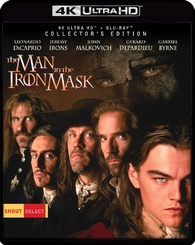
Man with an iron mask
Source United States | Publisher : Shout Factory | Release date : 26 December 2023
Video format
2160p24 | Ratio 1.85
HDR10 | Dolby Vision | BT.2020
HEVC encoding | DI 4K
Soundtrack
English DTS-HD MA 5.1
English DTS-HD MA 2.0
Subtitles
English
Artistic : 7.5 | Video : 9.5 | Audio : 8.5
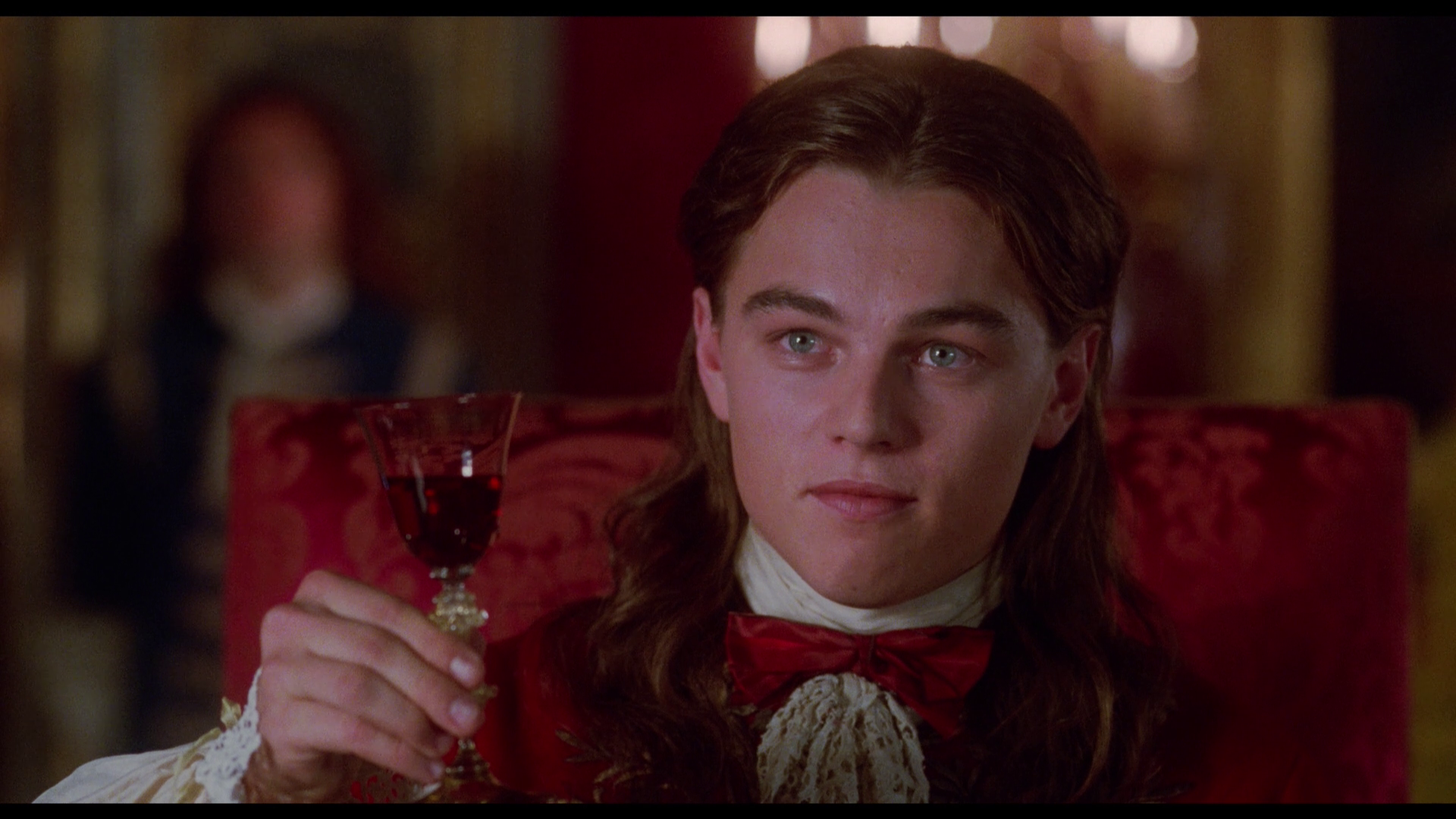
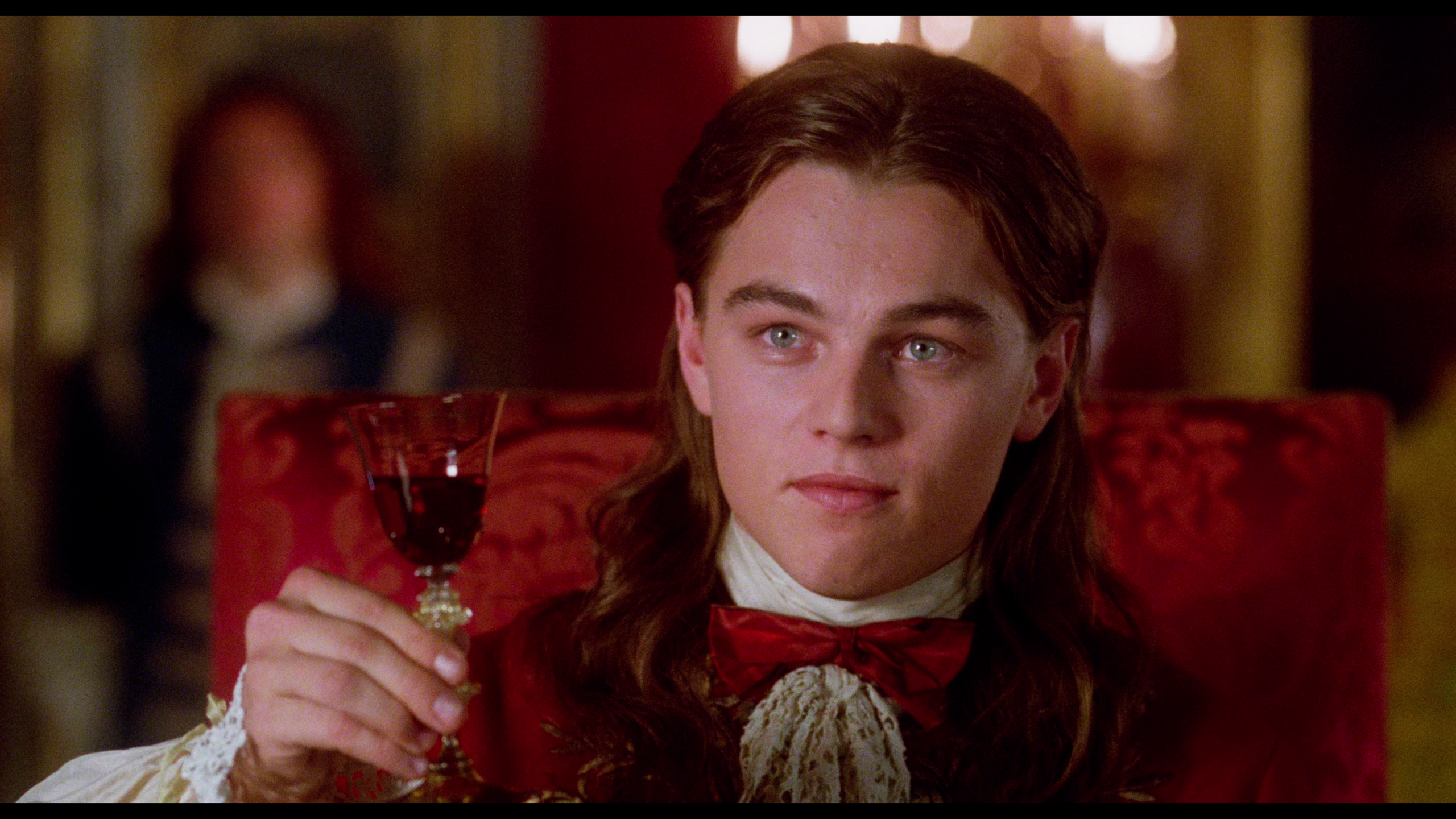
WORK – Free in his report to Alexandre Dumas, this proud and generous entertainment assumes his Hollywood panache, cape in the wind, preferring the romanesque momentum to historical rigour. Musketeers, delicious clogs, carry adventure with a nobility that claudic without shame, while Leonardo DiCaprio juggles with his two faces like a Louis XIV in the midst of a monarchic identity crisis. Reconstitution, sumptuous, compensates for too much academic staging.
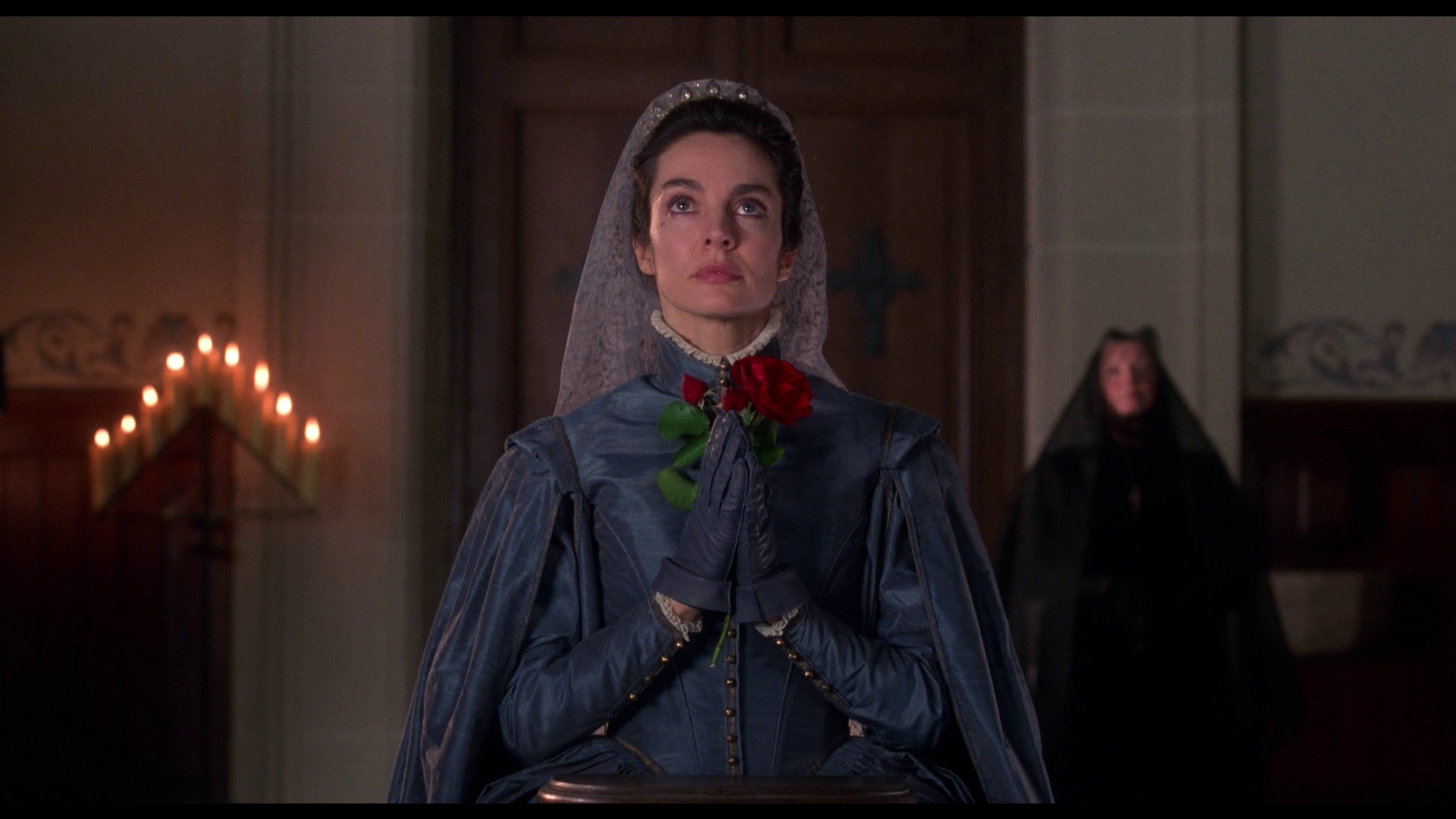
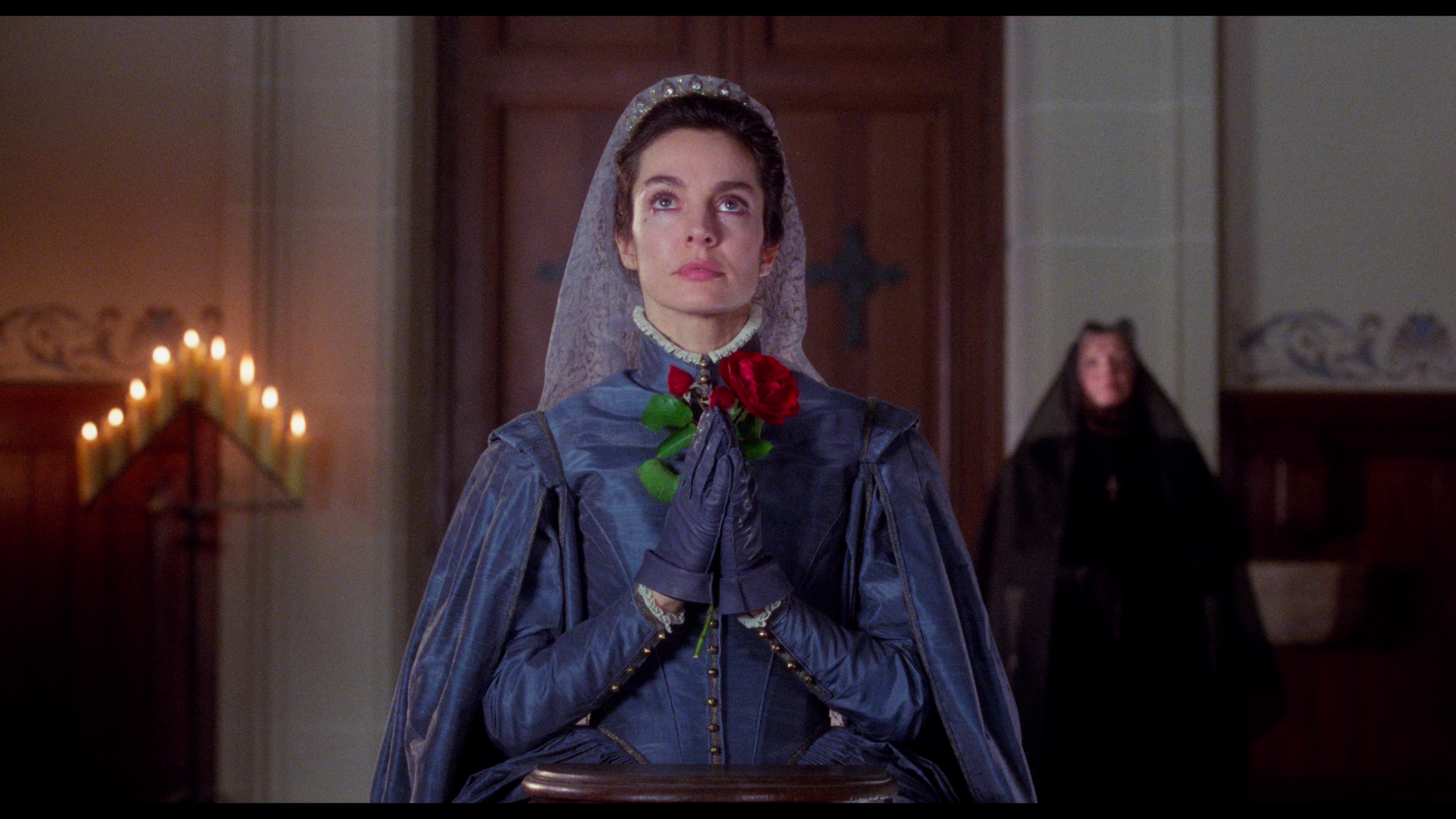
IMAGE – The new 4K restoration of 2023, taken from the negative 35 mm and sublimated by the DV calibration, clearly outclasses the editions MGM 2010 and Shout 2018. Fine grain, impeccable blacks, increased resolution and rebalanced colours (from fairer carnations to brighter primary) reinforce the accuracy of textures and the legibility of shadows. Each plane gains in relief, providing a more stable image, nuanced and deeply faithful to the original material. Rare spots.


SON – Mix 5.1 deploys a nervous acoustic field where Nick Glennie-Smith's score (Rock) combines clear dialogues, supported by specific effects. The cavalcades and confrontations benefit from a firm frontal dynamic, a measured surround and a serious controlled register. Without any alterations, the ensemble offers an expressive restitution combining dramatic tension, adventurous vigor and bursts of action, while preserving constant sound cohesion.
Soldier
Source United Kingdom | Publisher : Arrow Films | Release date : 27 April 2026
Video format
2160p24 | Ratio 2.39
HDR10 | Dolby Vision | BT.2020
HEVC encoding | DI 4K
Soundtrack
English DTS-HD MA 5.1
English LPCM 2.0
Subtitles
English
Artistic : 7 | Video : 9 | Audio : 8.5
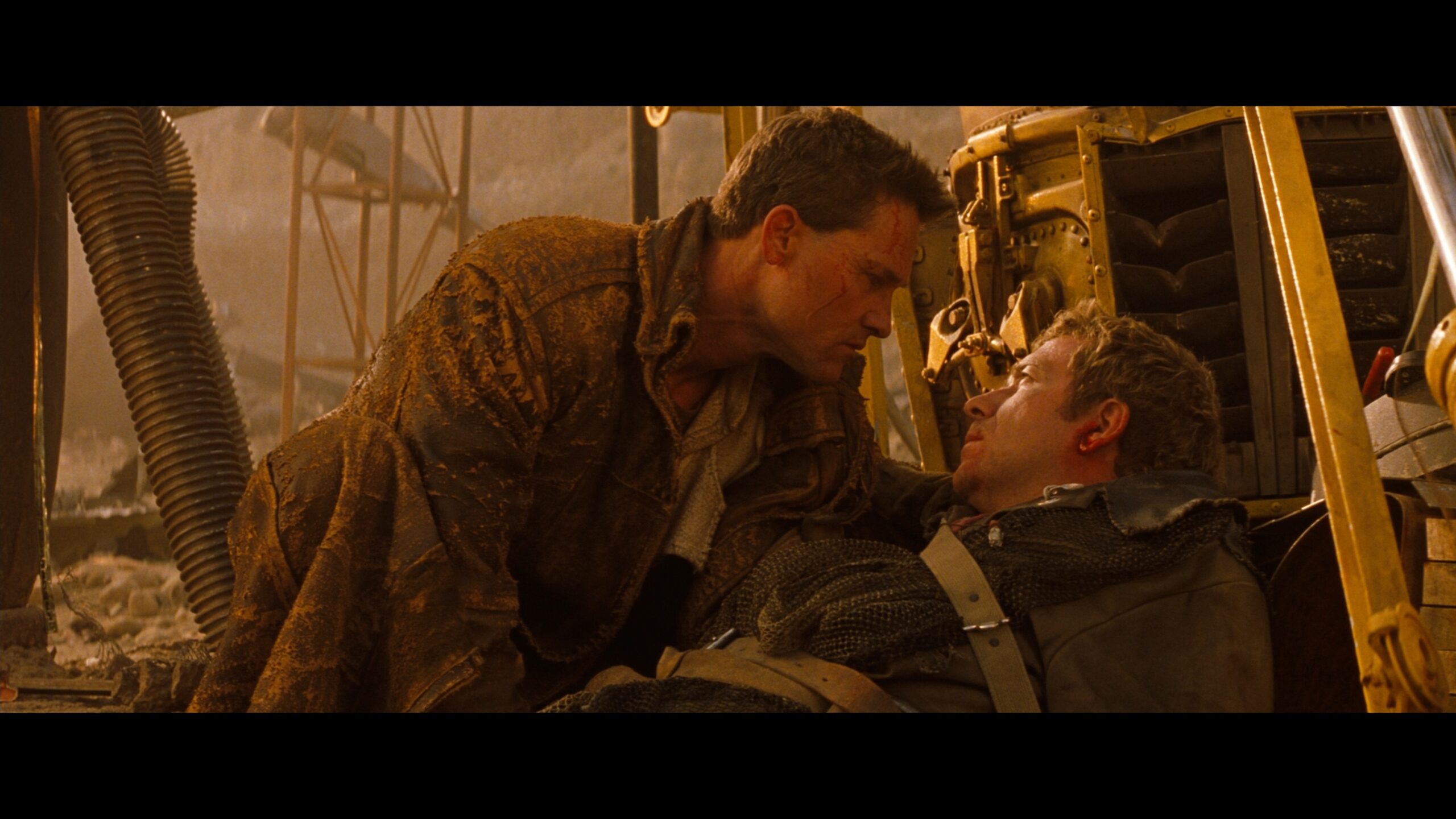
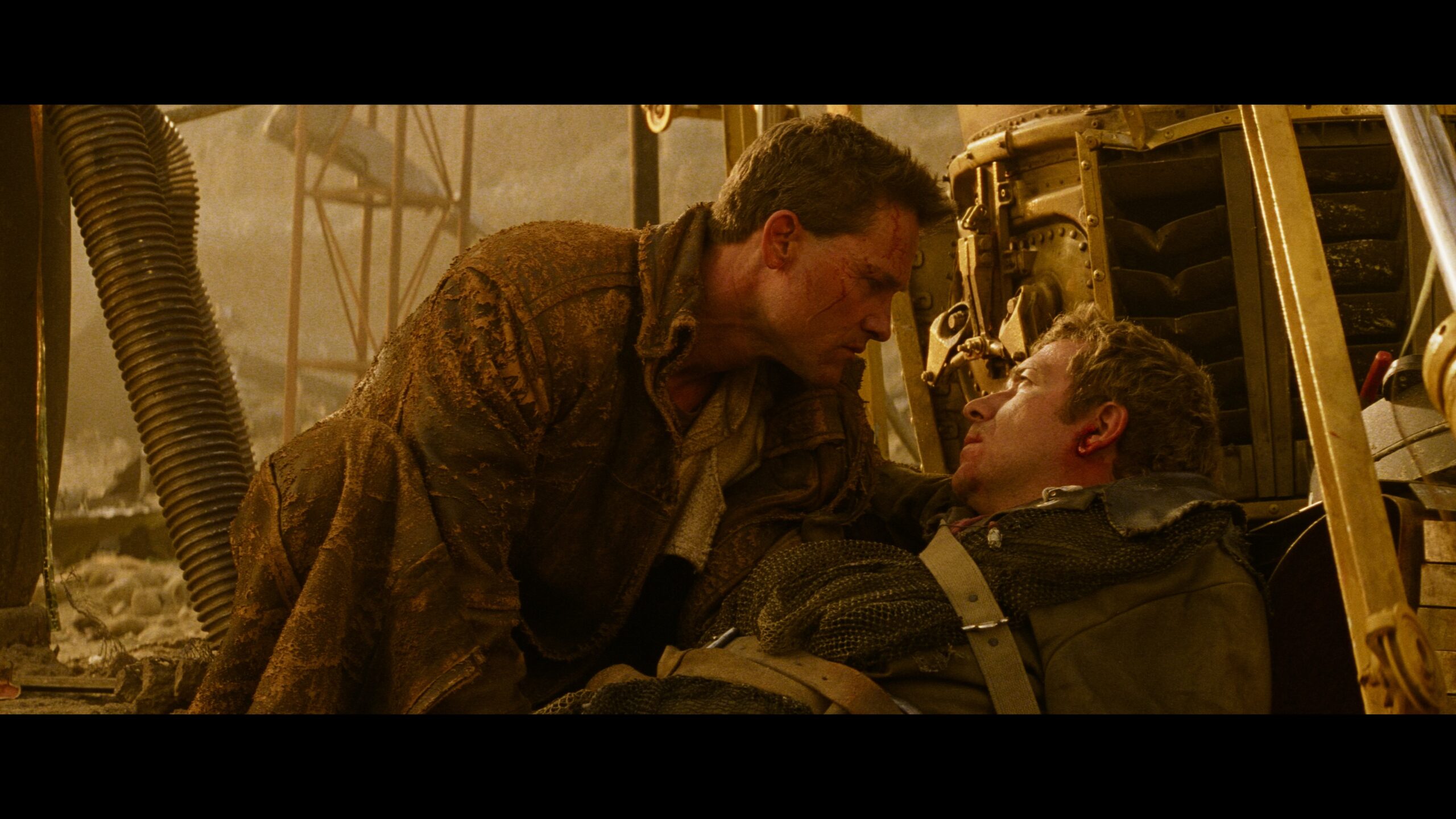
WORK – This futuristic action story, fed by cyberpunk inspirations, old warrior myths and echoes to Universal Soldier, denounces the military programming that crushes the human. Kurt Russell (New York 1997) in it embodies a combat instrument whose silence protestes, and the staging of Anderson (Horizon Event), stiff but sincere, finds lightnings of elegant brutality. One then tastes a muscular B series, a little rusty, which turns his photos into dramatic fuel.
IMAGE – Resulting from a 4K / 16 bit scanning of the 35 mm negative, the image regains its material: dense but natural grain, just shoved during some riggings where dust wraps up. The rest has surgical precision, from faces to decorations, with a DV calibration that electrifies metallic blue, desert ochres and incandescent oranges. Blacks, deep without being excessive, stabilize a presentation where even texture variations remain superbly organic.

SON – Typical of the 90s, a fierce sound architecture, where a hyperactive surround propels high-tech salves and nervous atmospheres. Mix 5.1, solid and willing to tone, shakes the box with seriouss sometimes too inflated, but ideally serves the mechanical fury of the work. Dialogues remain clear despite the surge, while music supports pyrotechnic assaults and other brutal impacts. A solid global dynamic reinforces each acoustic impulse.
30 days at night
Source United Kingdom | Publisher : Icon Film Distribution | Release date : 27 July 2026
Video format
2160p24 | Ratio 2.40
HDR10 | Dolby Vision | BT.2020
HEVC encoding | DI 2K
Soundtrack
English DTS-HD MA 5.1
Subtitles
English
Artistic : 8.5 | Video : 6 | Audio : 10
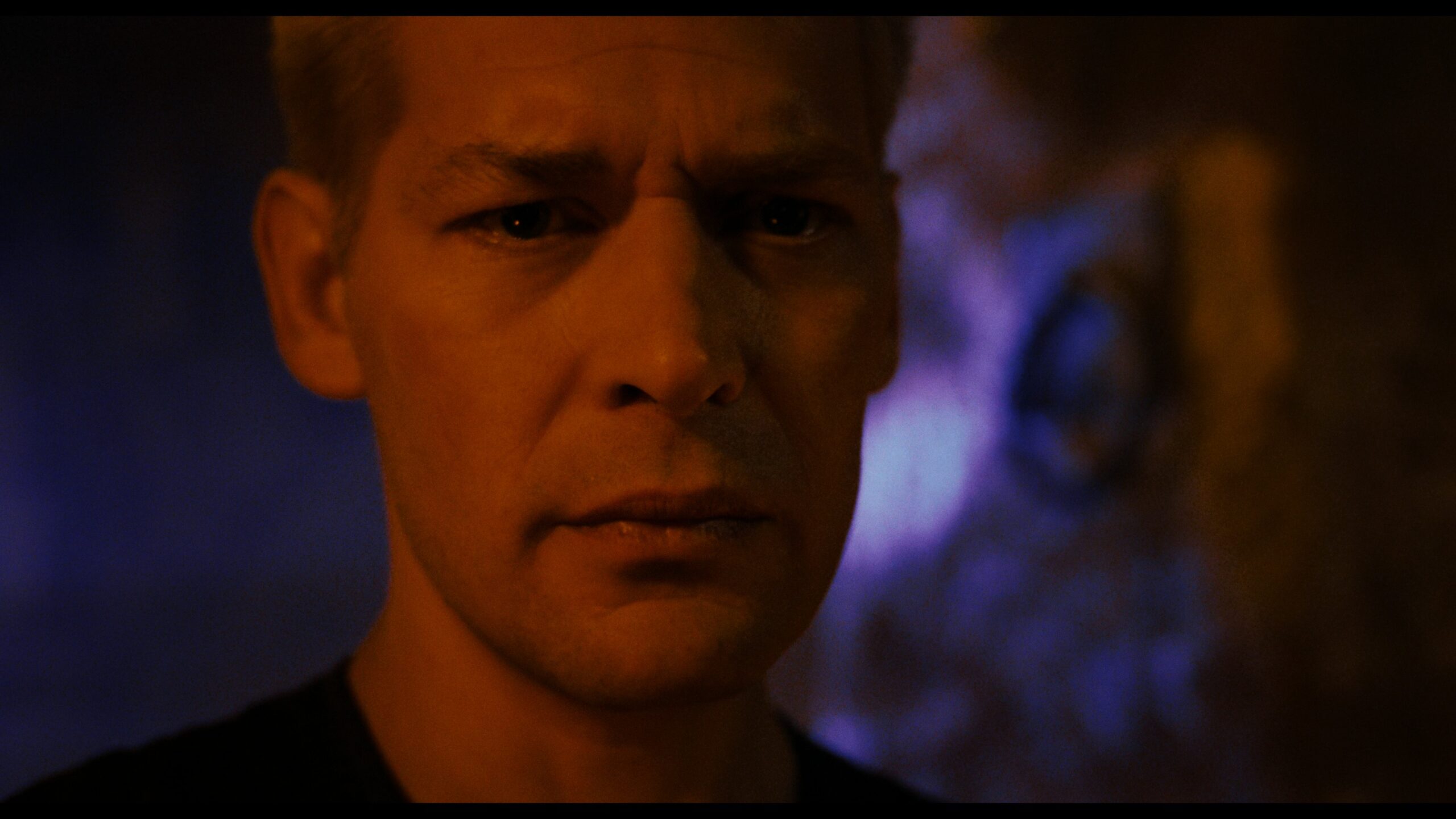
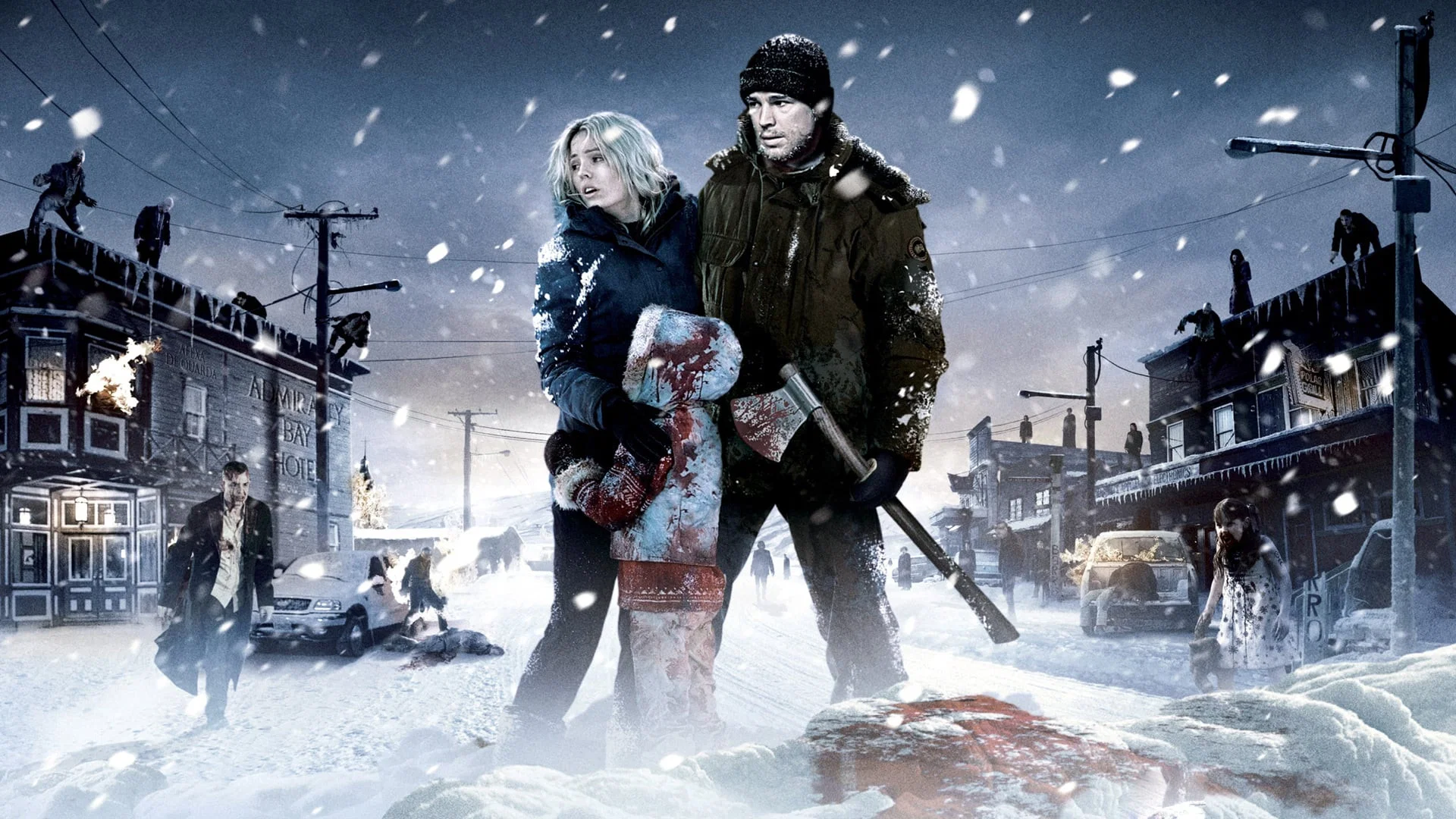
WORK – This polar horror, adaptation of a bloody graphic novel, fully embraces its vampiric nature by sculpting a glacial setting where each plane seems to bite. The actors (Josh Hartnett, Melissa George, Danny Huston), inhabited, give flesh to twilight survival. The assembly, sharpened, maintains a carnivorous tension. While mixing brutality and melancholy, this stylized carnage, never free, tightens the throat and continues its embrace until dawn.
IMAGE – At the same time soft and artificially sharpened, this UHD transfer oscillates between an overpolished rendering (silver texture) and plans with brutally highlighted contours, where the Blu-ray Sony (in the USA) preserved a more organic granularity and much more frank details. Fortunately for our retinas, the Dolby Vision orchestrates an even more ferocious ballet shadows, transforming the night into a predator, while the WCG accentuates desaturation while increasing blood reds.
Despite the promise of the press release announcing a « new restoration supervised by Silver Salt Restoration, completed in 4K 16-bit from 35 mm negatives, scanned on Lasergraphics Director 13K », it is clear that we are not facing the OCN, but rather an intermediate element (one to two generations below) that is overly intrusive. It throws a cold in Alaska.

SON – The new 24-bit DTS-HD MA 5.1 track, replacing the previous 2008 Dolby TrueHD, features a rarely intense soundscape: clear dialogues, strident vampiric cries, grumbling LFE, ubiquitous rear effects, aggressive spatialization, dry impacts, continuous anxiogenic atmospheres and hyper localized stealth passages. A visceral mix, particularly immersive, capable of transforming each sound surge into a real sensory discharge.
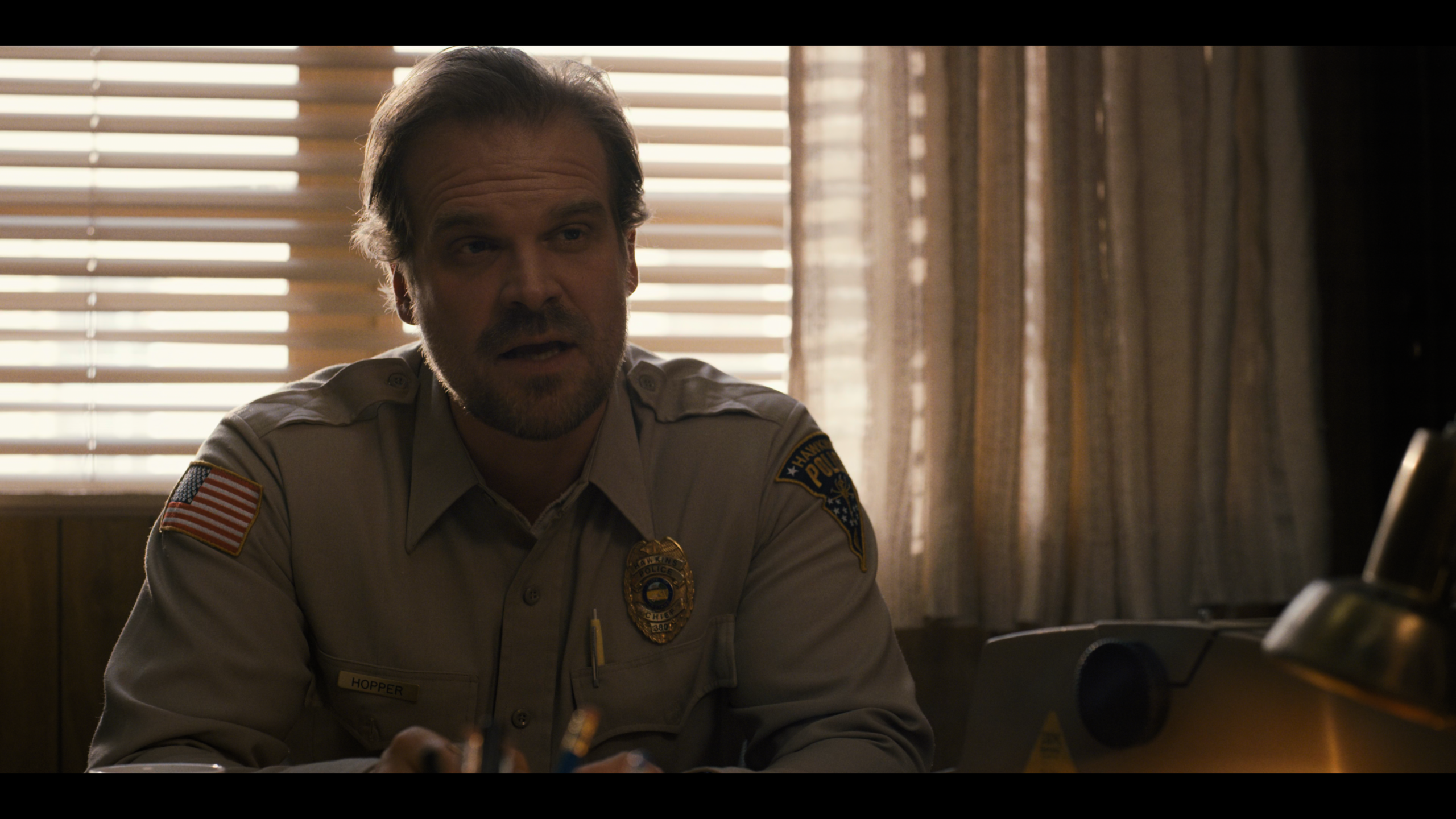
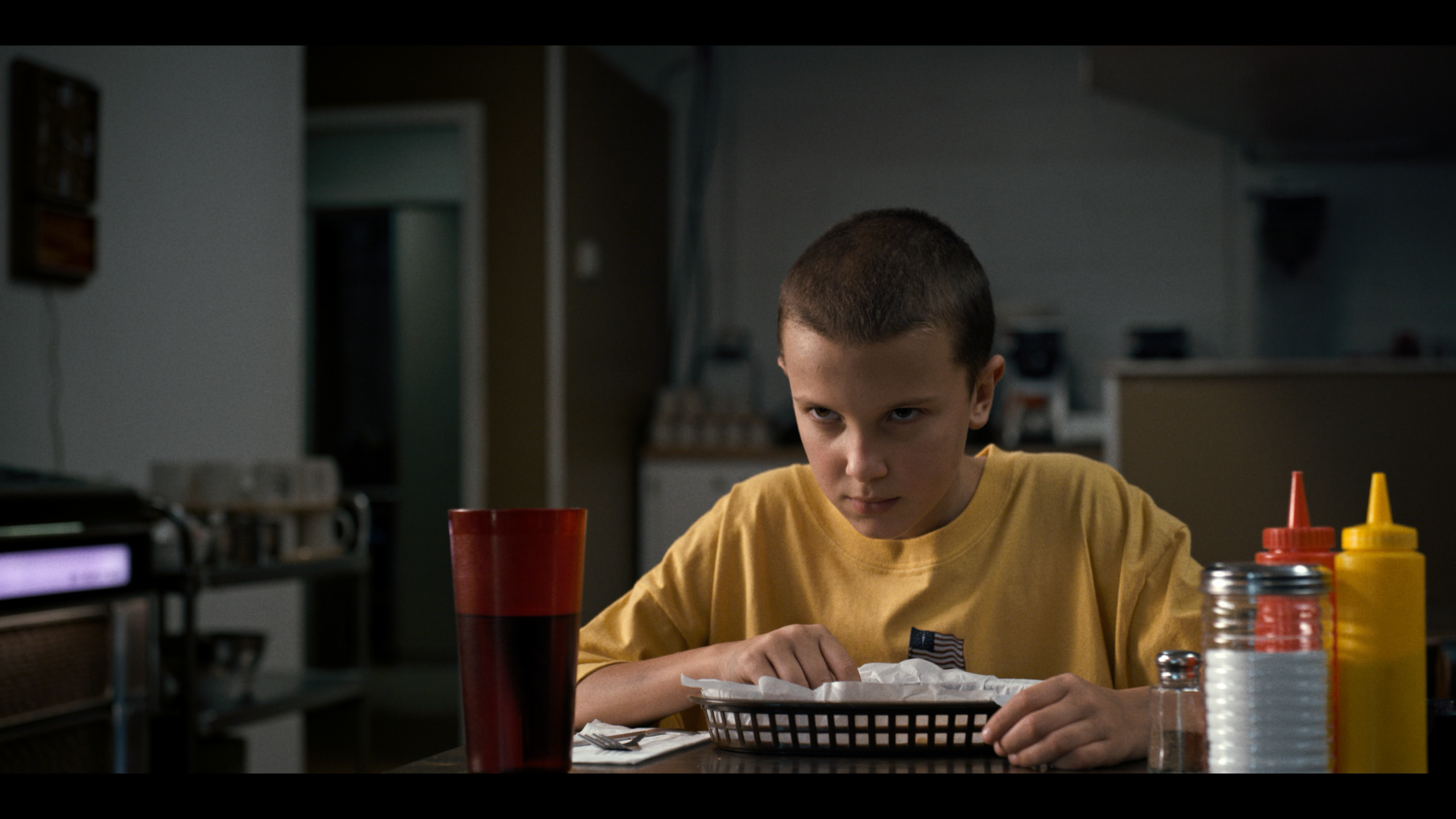
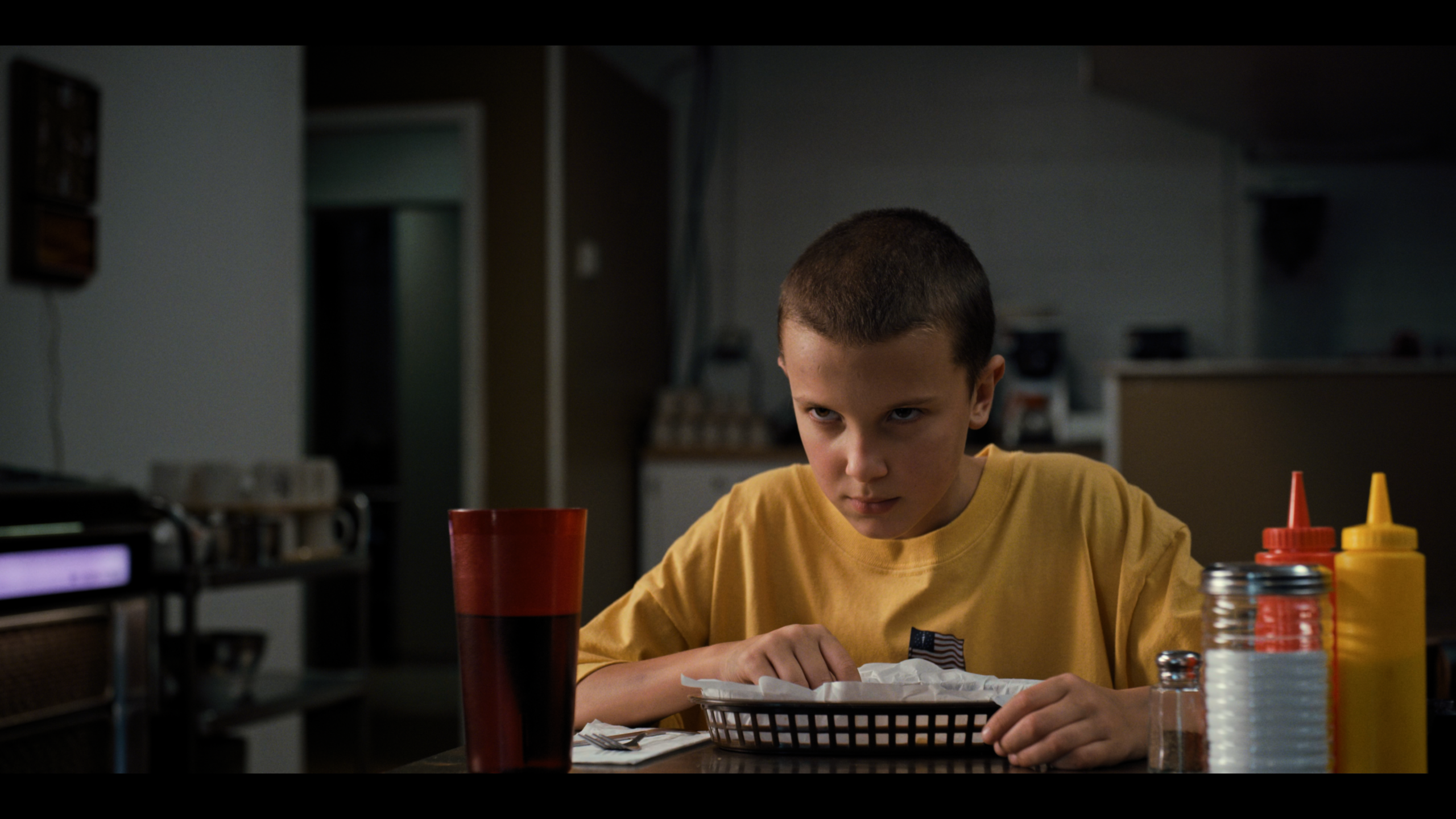
Stranger Things - The complete series
Source United Kingdom | Publisher : Arrow Films | Release date : 27 July 2026
Video format
2160p24 | Ratio 2.00
HDR10 | Dolby Vision | BT.2020
HEVC encoding | DI 4K
Soundtrack
English Dolby Atmos (Seasons 4 & 5)
English DTS-HD MA 5.1
English LPCM 2.0
Subtitles
English
Artistic : 8 | Video : 9.5 | Audio : 9.5
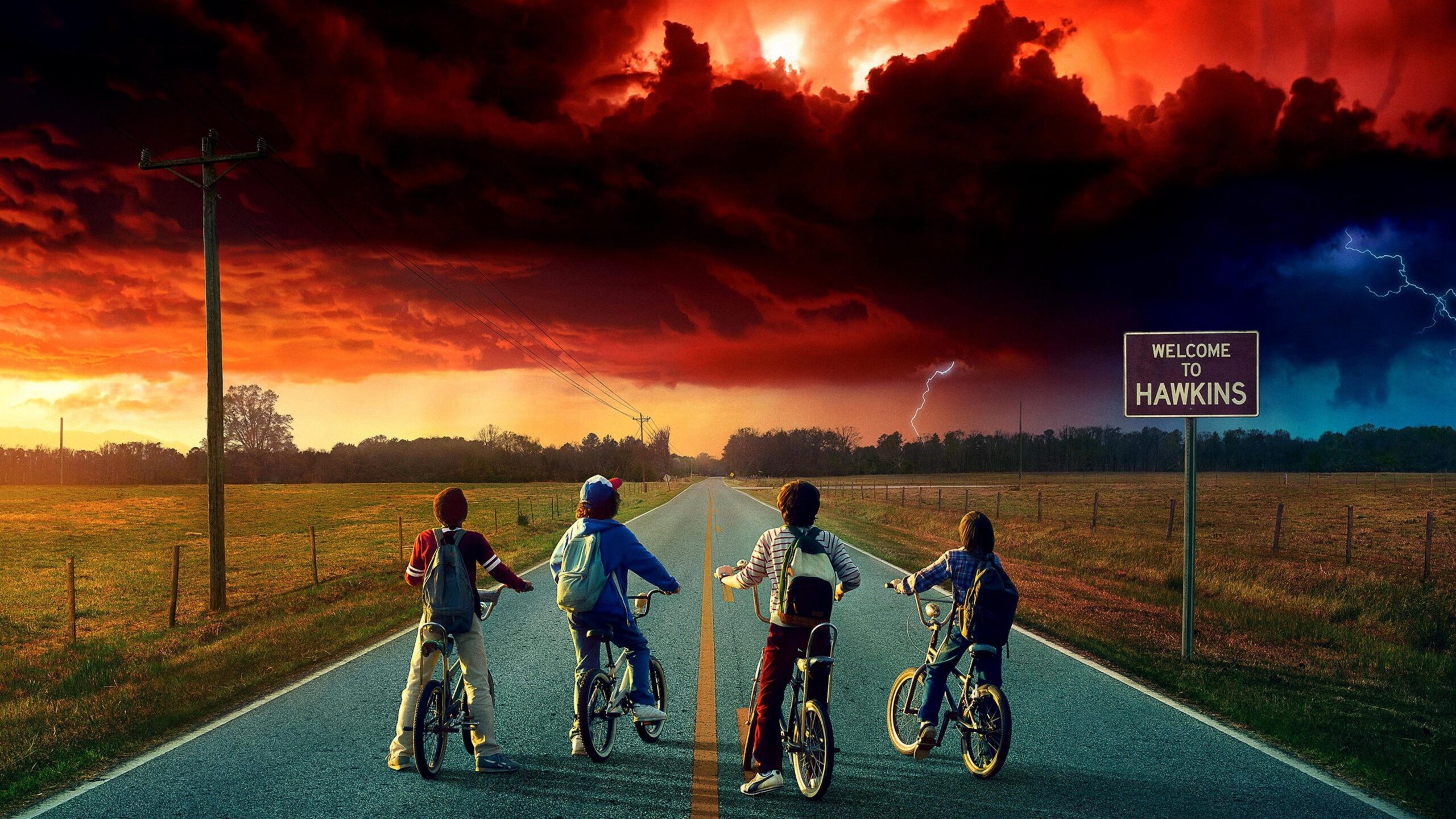
WORK – Despite a disappointing 5 season, Stranger Things remains a retro-nostalgic odyssey where SF, horror and the fantastic interlacing like a worn mixtape. Hawkins revives the 80s between bikes Amblin, cold sweats Stephen King way and synthetic tablecloths at the Carpenter. Kids improvise quests D&D, while Eleven, a telekinetic heroine, navigates between trauma and identity. A pop series, vibrant, sometimes repetitive, but sincere in its geek tribute.
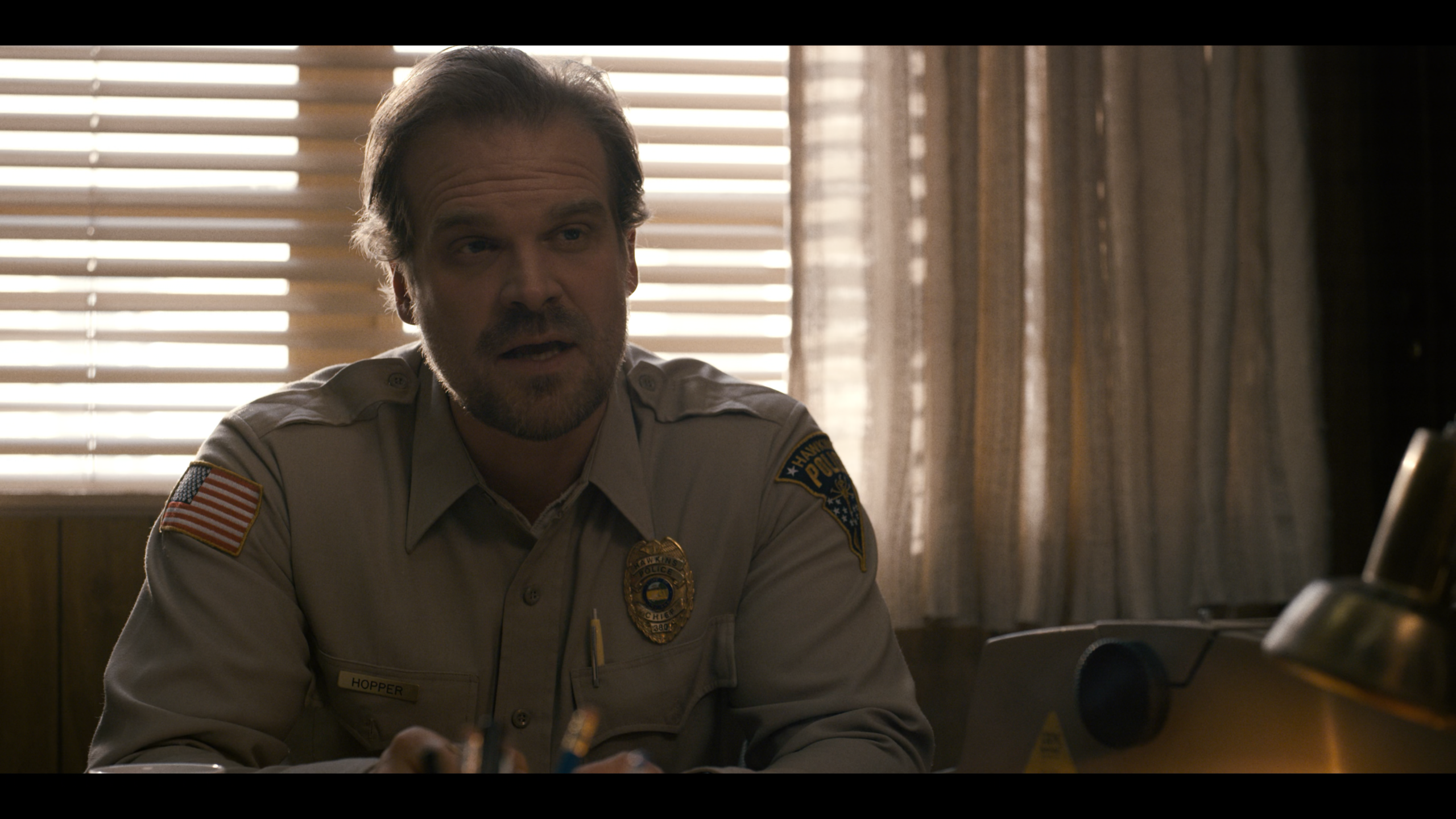
IMAGE – If you still needed proof that the Dolby Vision profile of Netflix serious pain (ultra compressed, dark, poorly mapped), the present transfer offers an implacable demonstration of it: consistent metadata, respected EOTF, black unscraped and a 5 to 8× higher video output. Here, the depth turns out to be more stable, the textures overflowing and the calibration HDR, of spectacular precision, magnifies places, costumes and atmospheres. Streaming doesn't keep the comparison.


SON – The series benefits from a solid range of 5.1 and 2.0 tracks for the first seasons, then from a large and nervous Dolby Atmos for the last two. Crystal dialogues, precise spatialization (the assaults of Demogorgons), perfectly diffused iconic music and telluric bass (psychological discharges) make up a dynamic and often spectacular sound scene. Thanks to the height, the universe really opens up in three dimensions (the Demobats in the World to the other side).
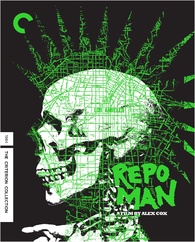
Repo Man
Source United States | Publisher : Criterion | Release date : 03 September 2024
Video format
2160p24 | Ratio 1.78
HDR10 | Dolby Vision | BT.2020
HEVC encoding | DI 4K
Soundtrack
English LPCM 1.0
Subtitles
English
Artistic : 8.5 | Video : 9.5 | Audio : 8
WORK – While she dynamite Reagan America by revealing her consumerist absurdity and moral wandering, this satire punk, orchestrated by an Alex Cox making chaos a lucid social comment, refuses any straight line. Funny as a narrative UFO and recalling that marginality often illuminates the truth better than the established order, this gesture of cinema advances like an existential road-trip that laughs at our illusions, dedicating its cult status in a radioactive halo dirony.
IMAGE – Once opened, the native 4K definition imposes a new precision: grain with increased organic precision, better maintained textures, exemplary stability. The DV deepens contrasts, expands the luminous dynamics and densifies blacks, which now sculpt volumes with a more assertive rigour. WCG injects tangible chromatic energy, exhilarating red and neon. The set, impeccably cleaned, also benefits from remarkably controlled encoding.
SON – This mono track, which is restored with great sharpness, spreads a surprisingly deep dimension for such a frugal source: biting dialogues and fiery punk playlists retain authentic vigour. No parasitic breath, no period wear and tear disturbs this solid base, even if one guesses the structural limits of a material that would have deserved modern spatialization. Yet available elsewhere, the remastered mix 5.1 remains absent from this edition.
The Extraordinary Mr. Rogers
Source United States | Publisher : Sony Pictures | Release date : 18 February 2020
Video format
2160p24 | Ratio 1.33, 1.85
HDR10 | BT.2020
Certification IMAX Enhanced
HEVC encoding | DI 4K
Soundtrack
English DTS:X
English (Quebec) Dolby Digital 5.1
Subtitles
English
French
Artistic : 7.5 | Video : 8 | Audio : 8
WORK – False biopic on the popular American presenter Fred Rogers (incarnate by the « wise » Tom Hanks), Mr. Rogers prefers to bypass the mythified figure to better probe the loopholes of a journalistEsquire. The film then becomes a real family drama, pudic and luminous, strongly recalling the necessity, and the concrete power, of benevolence in a world saturated with cynicism. A soft, almost therapeutic work that rehabilitates listening as a political gesture.
IMAGE – Digitally captured via the Arri Alexa Mini in Super 16 (1080p) mode with 35 mm optics to display the « real world » and via PAL Ikegami 323 and NTSC Ikegami HL‐79E (SD) cameras to recreate the TV aesthetics of Mister RogersThese images, labelled IMAX Enhanced, stand out: naturalistic softness at Lloyd Vogel, unstable granulosity and bright hues at Fred Rogers. The main set lights benefit from HDR10 and the blacks are milky.
SON – Mixing, very intimate in its approach and proposed in IMAX DTS:X 12.1, has nothing to do with a demonstration of strength. Mostly centered on dialogues and exploiting its multichannel with parsimony (some atmospheres scattered here and there), it nevertheless remains a pleasant listening, carried by exemplary vocal clarity and a dynamic musical restitution, sometimes perched in heights. More felt, the VF loses as it passes« bubble effect » when music settles down.
Detour fatal (2003)
Source Australia | Publisher : Umbrella Entertainment | Release date : 15 July 2026
Video format
2160p24 | Ratio 1.85
HDR10 | Dolby Vision | BT.2020
HEVC encoding | DI 2K
Soundtrack
English DTS-HD MA 5.1
Subtitles
English
Artistic : 7 | Video : 8 | Audio : 9
WORK – This kind of movie « out of wood » impose as a horrific survival tense and without superfluous chatter, where staging, with direct efficiency, turns each wooded corner into a deaf threat. The narrative, of an assumed cruelty, misleads his characters with a welcome drought, without seeking to intellectualize the carnage of his degenerate consanguins. Despite its classicism, the whole remains ardently functional and the thrill, sharp, finds its way.
IMAGE – This new 4K master gives the Appalachians a visual vigour worthy of its forest grain: rescanned in 35 mm for the most part, it offers revitalised colors, a pique absent from the Blu-ray and shadows with finer gradation. VFX plans remain limited by their original resolution. The DV, toned, accentuates the high luminances with cleanliness, while the carnation becomes more natural. A total contrast with the previous HD disc, apathetic and stifled by the DNR.
SON – A DTS-HD MA 5.1 track that is not very subtle, but very suitable, which reinforces the wildness of the detour: nerve spatialization, LFE channel with worrying vigor, clear dialogues, dynamic that amplifies traps and attacks. Forest rustles, ubiquitous wildlife and stealthy cracks make up a dreadfully immersive environment where the rear scene overflows with activity. And while the music breathes fully, the tension gradually tightens.
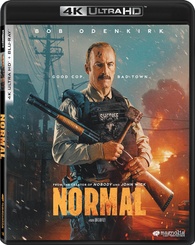
Normal (2026)
Source United States | Publisher : Magnolia Pictures | Release date : 14 July 2026
Video format
2160p24 | Ratio 2.39
HDR10 | BT.2020
HEVC encoding | DI 4K
Soundtrack
English Dolby Atmos
English DTS-HD MA 5.1
Subtitles
English
Artistic : 7 | Video : 9 | Audio : 9
WORK – This polar action with black stuffing air moves forward with a tranquillity trapped, each smile concealing a cartridge ready to slam. Under the still snow, the story plays the false calm to better reveal its municipal plot, where dry irony, ambush violence and tenacious melancholy sculpt ruptures of tone. Then Bob Odenkirk, between two blizzard shootings, extends his routine Nobody- ass, handing out warrants like an administrative chore.
IMAGE – This 4K transfer, equipped with a high bitrate, clearly strengthens the texture of the faces, fabrics and snowy surfaces. The HDR10, much more credible than the overexposed CSD of the 1080p disc, refines the high lights, densifies the blacks, accentuates the grey-blue colour of the winter climate and reduces the light range. Failing to gain in the readability of the decorations, the image reinforces its atmospheric consistency and tightens its general finesse, without visible artifacts or fluctuations.
SON – The Atmos mix favours nervous architecture, alternating tense silences and massive deflagrations, with a separation of surgical channels. The pyrotechnic effects spring out with a strong energy, the music enjoys an enlarged aeration, the surrounds provide continuous acoustic pressure, verticality recharges at the opportune times (alarm, explosions, storm) and spatialization remains stable despite the noise gusts. Deep breath on rare replicas.
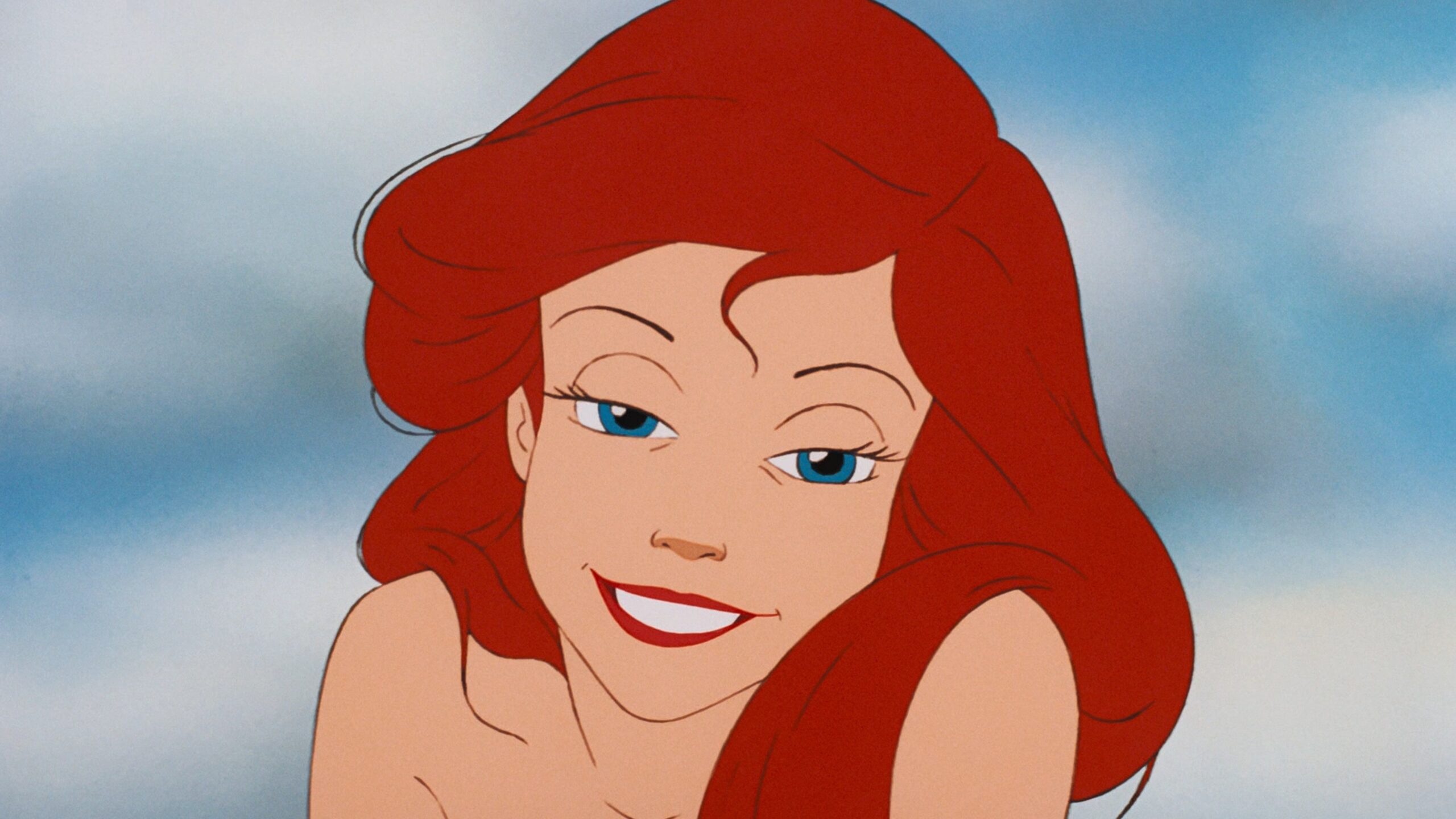
The Little Mermaid (1989)
Source United States | Publisher : Disney | Release date : 26 February 2019
Video format
2160p24 | Ratio 1.78
HDR10 | BT.2020
HEVC encoding | DI 4K
Soundtrack
English Dolby Atmos
English (Quebec) Dolby Digital 5.1
Subtitles
English
French
Artistic : 9 | Video : 8.5 | Audio : 9
WORK – 36th classic animated by Disney, The Little Mermaid remains an enchanted bubble between land and sea, carried by Ariel, a young mermaid of freedom. The romanticism of the story, the tenderness of the submarine companions, the shadow of Ursula, the cult songs and the brilliance of the ocean floor make up an adventure (inspired by Andersen) that charms little girls and lovers of beautiful cartoons. An aquatic romance that remains one of the jewels of the studio with big ears.
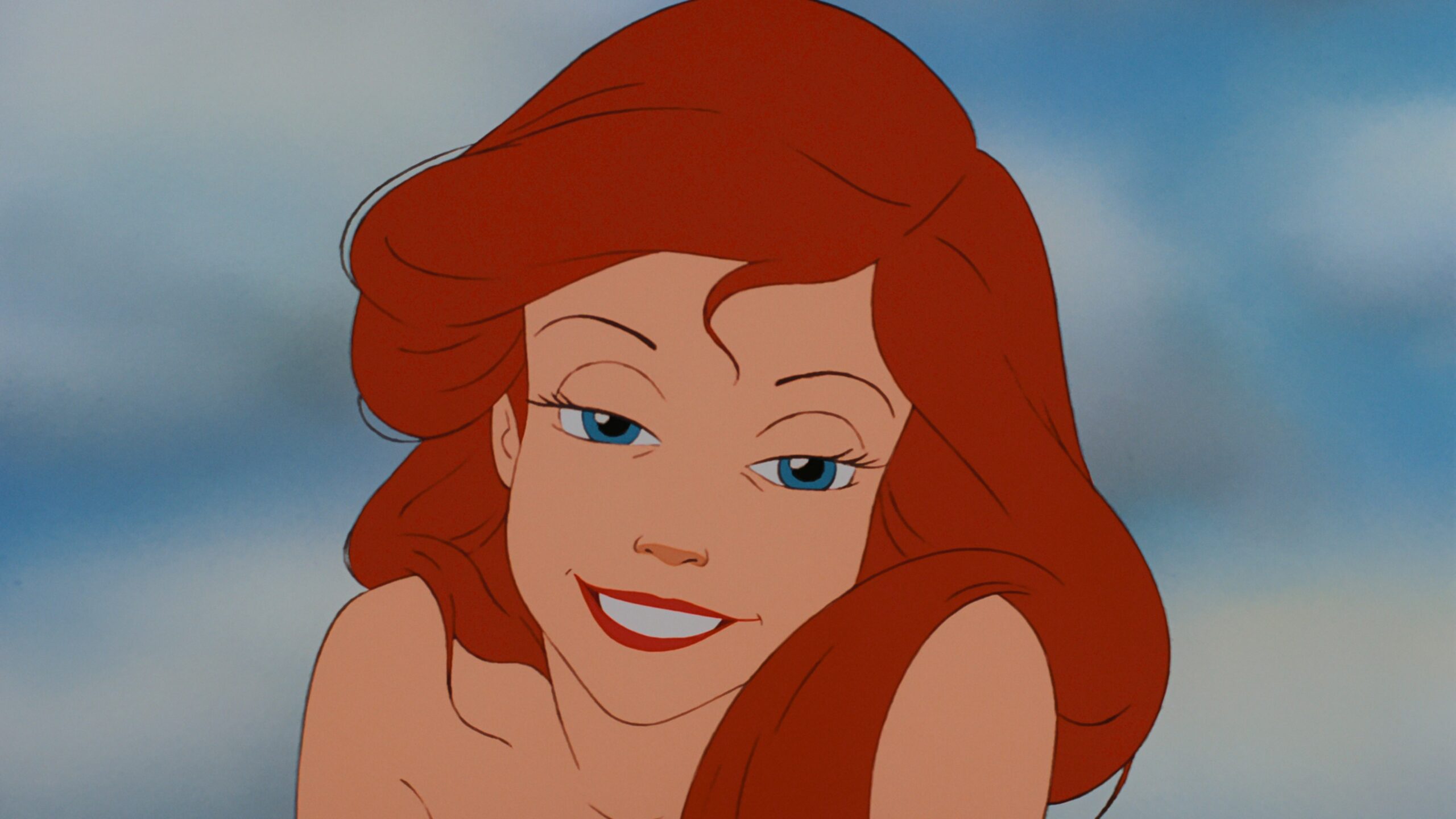
IMAGE – Despite the sweetness, this restoration impresses: the impeccably cleaned 4K master is full of details, fine textures, bright colors, balanced contrasts and deep blacks, with a living grain free of HD noise. The definition progresses little and the sharpness remains similar, but the darker palette is beneficial. Less faded carnations, enriched pallets and brighter elements give the whole a superior visual presence.

SON – Dynamic and finely balanced soundtracks, never artificial, with sharp voices, ample music and a living rear scene... especially in VO, where the four surrounds densify the atmosphere. The LFE intervenes with authority during key moments (snapping, shark, final confrontation). By raising sails, waves, winds, rain and some instruments, the Atmos track gains in verticality and offers a much greater immersion than the historical mix.
🔍 Close frame on
Video revisionism, the truth is elsewhere
A real problem is constantly returning in some analyses of video transfer: we denounce restorations by talking about « revisionism »but never say where we're going. No reference, no source, nothing. The charge is cast as if it were self-sufficient. And no, that's not enough.
If the comparison is based on a DVD of another age, an approximate telecinema or a Blu-ray mastered in the 2000s, it must be made clear. Because defending these copies as if they represented the original state of the film, it's fiction. Because like the transfers thought for the CRT, which tended to push magenta, some masters have never been anything other than technical compromises.
Meanwhile, serious labels (Arrow Films, Criterion, etc.) return to the period prints, photochemical elements, sources that allow to know what the film actually gave. It's not about taste or nostalgia. It's a matter of materials. And it has nothing to do with a 20-year-old projection memory, which has no technical value. Visual memory is not a measuring instrument. She deforms and rewrites herself, contaminating herself... And we still see it with Dr. Svet on Blu-ray.com (The Crying Game and Eyes Wide Shut to mention only two).
The ironic thing is that these so-called "fiable" memories have been shaped by the same approximate editions that we continue to defend. After reviewing a film about an unbalanced master, the master becomes the internal norm. The brain adjusts the old memory to stick to what is most often seen. And then we accuse serious restorations of betraying the work. While betrayal comes from there: years of viewing on erroneous copies that redefined perception.
Criticizing a restoration, all right. Talking about revisionism, when there are (the King Kong 1976 or Kalidor in Studiochannel), too. But without explicit reference, it has no value. It is necessary to announce the source of comparison, stop sacralizing obsolete masters, and accept that fidelity is measured on the original elements, not on a memory altered by decades of bank video exploitation.
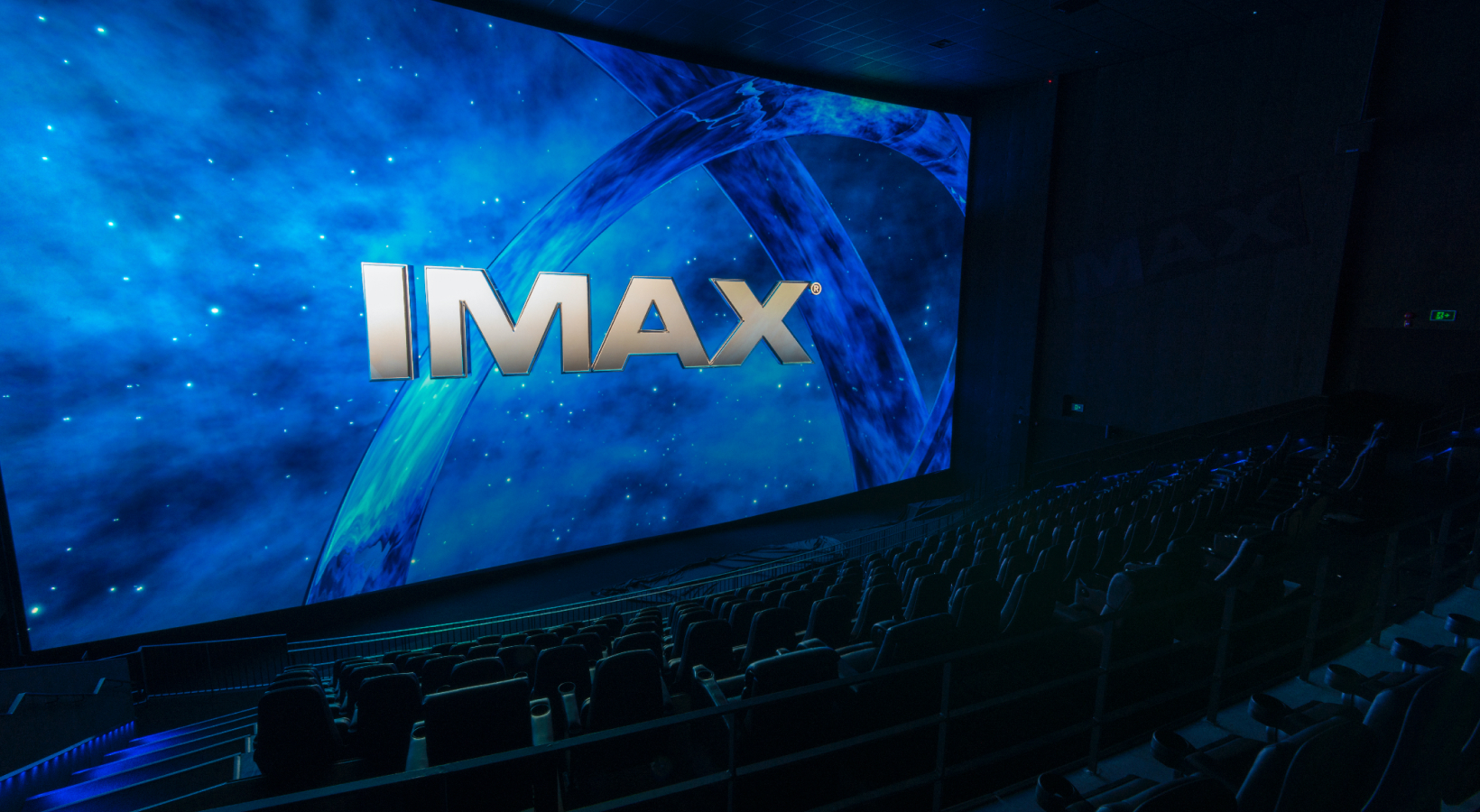
IMAX at home: the great illusion?
The success of Odyssey put the IMAX at the centre of the speech, but blurring an essential reality: what the spectators saw in the room "great height" is not what they will see on disk. The physical edition of the film will be proposed in 1.78 on the entire film, an expanded IMAX designed for home cinema. In other words, the best possible scenario for our broadcasters, not a "reduced" version. So forget the totem marketing, this way of brandishing 1.43 as a "pure" Grail, the ultimate experience that any film should aim for. The reality is much more complex than that...
The same confusion surrounds Project Last Chance. The variable ratio 1.78 / 2.39 of the standard edition is welcomed with reservation by a part of the public, convinced that the decline 1.43 / 2.39 expected in the Collector on 25 November will be more immersive. An understandable expectation, but one based on a false idea: 1.43 was never designed to be seen at home, and what our screens display today is not a concession, but a reference framing.
So it's no coincidence that the Blu‐ray / 4K UHD / VOD is almost never the real IMAX (IMAX 15/70 → 1.43:1 or IMAX Digital → 1.90:1), but a version suitable for home screens. This adaptation implies a change in the ratio and use of non-IMAX masters, because they are not delivered by the studios, which means that the IMAX cinema experience is almost never reproduced at home.
For the time being, the only real exceptions are:
• Batman v Superman – Ultimate Edition (IMAX 1.43 authentic)
• Smashing Machine (IMAX 1.43 authentic at the end)
• Transformers: Age of Extinction (IMAX Digital 1.90 respected, but only on Blu-ray)
• Transformers: The Last Knight (IMAX Digital 1.90 respected)
• RRR (IMAX Digital 1.90 respected)
And I see you coming: why other films shot with IMAX cameras or large sensor rigs, displayed in 1.90 or 1.78 on disk (Aquaman and the Lost Kingdom, Bumblebee, Gran Turismo, Joker: Two-sided, the Dragons and Superman of 2025, Sinners, The Suicide Squad, Top Gun: Maverick, Tron: L-Heritage, Wonder Woman 1984do they not reproduce the IMAX Digital at home? Simply because, unlike the two Transformers and to the Indian blockbuster of S. S. Rajamouli, whose studios delivered the master IMAX Digital, these versions are only controlled open matte.
As regards Zack Snyder, it is a ratio 1.33 artistic inspired by the IMAX, designed for home cinema, not for IMAX rooms. Everything else, filmography by Christopher Nolan included (The Dark Knight, The Dark Knight Rises, Interstellar, Tenet, Oppenheimer), is IMAX captured, not IMAX returned... which, in view of the preceding paragraph, should no longer surprise anyone.
However, it must be borne in mind that the majority of contemporary IMAX productions are primarily designed for an IMAX Digital frame in 1.90 (even if, at Marvel, 2.39 remains the choice of the chief operator, hence the absence of the IMAX ratio — to one exception — on the physical edition ofAvengers: Endgame et al.). The surplus image visible in 1.43 (not thought for narration, like the sky or the ground) in the IMAX rooms "great height" only a immersion function (the image literally overflowing from the frontal field) and does not constitute the reference framing thought by the directors. Even Odyssey was designed in 1.85 format, the artistic spine, the main frame, the one that structures the staging at Nolan.
In the end, what remains on physical media, when it respects 1.90 (or allows an open matte 1.78), is not a degraded version, but the intention of main framing, the one that really guided the staging and composition of the plans.
IMAX Enhanced, why the disc said no
IMAX Enhanced is a home-cinema quality label developed by IMAX and DTS. It combines several elements: a large format image, often in a variable ratio, from the master IMAX DMR; digital control applied by IMAX, i.e. video processing to reduce noise and homogenize grain; DTS:X sound validated by IMAX; and, ultimately, a certified hardware ecosystem, including televisions, amps and readers.
Some 4K Ultra HD, mainly at Sony (Angry Birds: Cops as pigs, Bad Boys for Life, Charlies Angels, Jumanji: Next Level, Return to Zombieland) have benefited from this label. But since 2024, the program has been gradually abandoned on physical media: studios no longer order IMAX/DTS masters, preferring Dolby (Vision/Atmos) deliverables, more universal, less expensive and compatible with the entire hardware fleet. Faced with this decline in demand, IMAX has shifted IMAX Enhanced to streaming, where deployment is easier.
A repositioning that, by the way, highlights another reality: artistic adherence has never been at the rendezvous. Directors and chief operators opposed the IMAX Enhanced, mainly because the label alters photography, sometimes alters the frame (at Marvel, the 1.90 serves the IMAX Digital; The native format remains the 2.39) scope, imposes an unsupervised audio mix, and applies a post-production IMAX aesthetic without artistic validation. This rejection of the authors has largely contributed to the abandonment of the label on physical media, since studios favouring formats that do not distort the work.
Conversely, on SVOD, directors and chief operators have virtually no control over the broadcast version. Platforms decide on master, ratio, HDR, sound and technical profiles. It is precisely this lack of artistic control that allowed the IMAX Enhanced to impose in streaming, while it was rejected, even fought, in the ecosystem of physical support.
Having tested the entire Blu‐ray 4K stamped IMAX Enhanced, notably with the pioneering title Journey to the South Pacific, the finding was implacable: with very few exceptions (Mr. Rogers), the rendering always displayed the same visual signature. A blatant standardization, revealing a post-production treatment imposed to smooth the differences between the films and apply them a "house" aesthetic. In other words, an artificial standardization of photography, totally contrary to the intention of directors and chief operators. An artistic nonsense, quite simply.
And it is precisely for this reason that we must not regret his absence on physical media or jealousy. Disney+ or Bravia Core What they propose is not a "superior" version, but a "modified" version. A technical declination shaped by IMAX, not by creative teams. On disk, the work is preserved; on platforms it is repackaged. There is therefore nothing to envy; It's a matter of philosophy, nothing more.
The Teeth of the Sea, when Bruce redefined the industry
In 1975, The Teeth of the Sea is an industrial turning point. Universal chooses to release the film in the middle of summer, on a number of screens unreleased for the time, supported by a massive television campaign. The bet is clear: turning a marine thriller into a national event. The result exceeds all projections. The film becomes the first « blockbuster » modern, an economic model that redefines the way Hollywood thinks about its major outings. More than $470 million in global revenues seal this shift.
The shooting, however, had nothing to do with a long, quiet river. Delays accumulate, the budget derails, and the mechanical shark breaks down more often than it does. Steven Spielberg, a 27-year-old director, has to review his staging. He renounces to show the creature too early and builds the tension on waiting, the out-of-field, the diffuse threat. This forced choice becomes a signature. Fear arises from what is not seen, amplified by John Williams' score, two notes that suffice to install an imminent danger. The film imposes a new way of making suspense, still studied today. A grammar that we will find a few years later, transposed into space, in Alien, which echoes the logic of out-of-field and progressive threat without being a direct imitator.
Universal quickly understands that film can become a cultural phenomenon. The simultaneous national release, rare at the time, creates a saturation effect: impossible to ignore the film, impossible to escape its poster, impossible to miss its musical theme. This strategy, resumed two years later by Star Wars, inaugurates the era of « tentpoles », these productions capable of carrying an entire season and structuring the finances of a studio. Hollywood enters a logic where the event takes precedence over the rest.
The narrative itself contributes to this effectiveness. The story is simple, almost rudimentary: a threatened seaside resort, a mayor who minimizes the danger, an outdated police chief, a prudent biologist, an obstinate shark hunter. Spielberg condenses the codes of thriller, disaster film and adventure narrative. He filmed the small town with a realism close to the documentary, then turned into a hunt at sea stretched like a cable. This hybridization allows the film to reach a very wide audience, without losing its consistency.
The cultural impact is immediate. The beaches are empty, sharks become movie monsters, and the film generates a franchise that will extend over several years. Hollywood understands that a success can happen, be prolonged, be profitable. Imitators flock, studios seek their own « large predator » (Orca, Tentacles, Piranhas, Alligator), and the concept of film-event settles down for long. The Teeth of the Sea Not only does it dominate the box office: it changes the behaviour of the audience and studio strategy.
Fifty years later, his influence remained visible. The film marks the end of a more experimental American cinema, that of New Hollywood, and opens the way for a structured industry around the show and summer release. « The Entertainment King » (Steven Spielberg's nickname) is not just a classic: it redefines the rules of the game. The contemporary blockbuster, by Jurassic Park to Marvel Cinematic Universe, still bears the imprint of this mechanical shark (Bruce, its name "canonic" in pop culture) which refused to function.
Sirāt, the thread where the living are weighed
There is, in Sirāt, this feeling of being caught in an ancient breath, a breath that precedes men and yet judges them. Ólivier Laxe filmed a crossing of the desert as one filmed a crossing of oneself: without emphasis, without didacticism, with this way of opening the senses rather than aligning symbols. And yet the symbol is there, massive, almost overwhelming: the sirāt, this coral bridge as thin as a hair, as sharp as a blade, suspended above Hell. A passage where each step is a verdict.
In this mystic roadtrip, this bridge does not exist. Or rather, it exists everywhere. It is the ridge line that the characters try to follow, the moving border between survival and abandonment, between collective momentum and the temptation to dissolve in dust. Laxe does not film a spectacular apocalypse; he films an intimate apocalypse, an end of the world that does not need nuclear mushrooms to exist. It is already there, in the tired bodies, in the gestures that hesitate, in the heat that devours the shadows.
This Mad Max: The Beginning, where the world has not yet exploded but where everything announces the rupture, has not the motorized rage of George Miller. It has something more fragile, more human: the awareness that salvation can only come from the community. Not a heroic community, but an imperfect, valiant community that advances because it no longer has the luxury of retreating. The film then becomes a parable: the Sirāt is not a bridge to cross alone, but a line that one tries to cross together, holding one another in order not to fall.
And that's where Sirāt Resonates with our times. The Third World War of Fiction is just a mirror that distorts the real crises that surround us: ecological collapse, social fragmentation, the moral fatigue of a world that knows itself on the brink of the abyss. Óliver Laxe does not propose a solution, it proposes a sensation: that collective action is not a slogan, but a physical necessity, almost biological. In the desert, we don't survive alone. Neither in the contemporary world.
The film then becomes a meditation on what it means « Cross the bridge ». Not to reach a bright elsewhere, but to reach a state where it is no longer believed that individualism is a way out. Sirāt, in the Qur'an, is a test: it reveals the truth of acts. At Laxe, he reveals the truth of ties. We're getting out of Sirāt with the impression of having rolled long, of having felt the sand under the teeth, of having heard the end of the world breathe behind us. And especially with this strange feeling: the bridge is not a passage, but a way to stand up to several, a line that only stabilizes when one agrees to cross it in humanity rather than in loneliness.
Certainly, the last image does not promise a radiant horizon. But the survivors board a train that runs to a land without a name, perhaps a deliverance, perhaps another test. Yet something turned: they are no longer isolated, no longer on the margins, no longer locked in their personal quests. They merge into the collective movement, into this crowd that moves forward because it has no choice but to seek a place to stand. The harsh reality of the world persists; Yet a form of exit is emerging, fragile but real, as if after the wandering and the fall, a possibility of future, still dusty but tenacious, finally came to spawn a passage.
30 days of night, the vampire who no longer wants to seduce
In a film landscape where the vampire had ceased to be a threat, 30 days at night appeared as a brutal correction of the myth. We were out of the period Blade, Underworld, Van Helsing, where the nocturnal creature was transformed into an action figure, leather, acrobatics and martial poses. At the other end, Interview with a vampire and his heirs had permanently established the idea of a romantic vampire, introspective, almost victim of his own eternity. The beginning of the 2000s was already preparing for the advent of Twilight, which would complete making the vampire compatible with the ten drama. In this context saturated with attractive, elegant or glamorous creatures, David Slade's film (Hard Candy) appeared as a frank rupture, refusing seduction, psychology, or even mythology. He brought the vampire back to pure predation, as if art 7 had forgotten for too long that these creatures were supposed to scare.
This refusal to humanize is read in every detail. Vampires of 30 days at night have no dilemma, no past, no personal tragedy. Their guttural language, slamming, almost animal, cuts them off from any possibility of dialogue. They're not characters, they're species. Their arrival in Barrow was nothing like a gothic ritual: it is a military operation. They don't hunt an individual, they hunt an entire community. They don't seduce, they clean up. This pack logic, inherited from the original comic, gives the film a surprisingly zoological dimension: predators are observed doing what predators do, without justification, without discourse, without theatricality.
The staging takes this brutality with icy precision. Snow, omnipresent, becomes a screen on which the blood bursts like a unique color. Red is no longer an effect, it is an intrusion. Slade filmed violence without hysteria, but without detours: the attacks were rapid, brutal, often seen at a distance, as if the camera refused to turn death into a spectacle. The gore is never playful: it is functional. You don't look at a choreography, you see a killing. The city itself becomes an organism that decomposes: every house is a threatened organ, every street a nerve alive. The seat is not only spatial, it is temporal. The night that lasts thirty days is not a gimmick, but a slow agony.
Survivors never become heroes. The film refuses the usual rise of survival. The longer the time passes, the more the bodies exhaust, the more the faces grow, the more instinctive decisions become. Eben, the sheriff, is not a triumphant warrior: he is a man who ends up understanding that the only way to defeat the monster is to become a little him. His final sacrifice was nothing of an apotheosis. It's a lucid capitulation. The light of day, at the end, is not a deliverance: it illuminates the ruins, the dead, and the impossibility of rebuilding anything. The work does not offer consolation, no morals, no rebirth. She stops where the pain begins.
This radicality has also left traces. After 30 days at night, a more brutal vein was asserted, taking the idea of vampire as a plague, as contamination. Stake Land pushes this logic to the post-apocalyptic, turning vampires into ferocious beasts, or say zombies, that devour the world without any refinement. The series The Strain The idea of vampire as a virus, as a parasitic organism that spreads in packs. Even more modest works (such as Tale of Vampires) prolong this approach: vampires who hardly speak, who attack in groups, who do not seek to seduce but to eradicate. It can be seen, without exaggeration, as a direct connection with the drought of David Slade's adaptation.
In parallel, the tragic vein never disappeared. Morse explores the relationship between a lone child and a vampire with an icy softness, almost inverse to the brutality of 30 days at night. Only Lovers Left Alive Turns the vampire into a melancholy figure, an artist, tired of the world. Popular series like True Blood or Vampire Diaries prolong the sentimental dimension, where the vampire becomes a character of drama, sometimes political, sometimes romantic. The myth splits, but Slade's film stays in its corridor: the monster without a shadow, the one who wants nothing but our blood.
What remains, once the film digests, is this feeling of having seen a vampire who does not seek to be loved. No shame, no confession, no personal tragedy. The vampire of 30 days at night does not want to be understood or rehabilitated. He wants to eat. And in a genre that, for decades, had tried to make the night creature frequentable, attractive, sometimes even moral, this drought has something salutary. She recalls that the vampire, before being a symbol or metaphor, is an intruder. A threat. Hunger. David Slade didn't reinvent the vampire in the movies: he took away everything that bothered him. And this is perhaps why his film remains, still today, one of the few in the 2000s to have had the courage to give back to the vampire what he had lost: his terror.
Stranger Things, the Intergenerational Bridge
Some series entertain, others impress, and then there are those that, without looking like them, become places of passage. Stranger Things It belongs to this last category: a fiction that not only tells a story, but links ages, sensibilities, memories. One enters it out of curiosity, by nostalgia, by taste of the fantastic or by attachment to the characters, and one discovers that the story, he, circulates between the generations with a quiet evidence. It is a series that speaks to everyone differently, but that gathers despite everything, as if his imaginary had found the secret formula to make hold together experiences that, elsewhere, no longer intersect. It is in this common space, fragile and vibrant, that it deploys its true strength.
Stranger Things is intergenerational first by its most obvious device: it staged, in the heart of the same story, children, adolescents and adults, all caught in the same storm. The series refuses to confine adults to the role of mere parental silhouettes or comic counterpoints; It gives them a dramatic trajectory, a vulnerability, sometimes even a form of distress that echoes that of the youngest. Hopper, Joyce, Murray, but also outdated parents, teachers, local authorities, all participate in a mosaic where each age is both memory-bearing and exposed to danger. This structural choice creates a narrative space where generations do not succeed: they coexist, clash, protect, betray and save.
This intergenerationality is also played out in the past. Stranger Things is saturated with references in the 1980s, but these references are not only nostalgic nostalgic clins; They become a shared language. For those who have experienced this era, the series functions as a reactivation of memories, sometimes embellished, sometimes simplified. For the youngest, it offers a ready-to-use mythology: bicycles, cabins, VHSs, arcade terminals, movie posters, all this makes up an earlier world that they have not lived, but that they can live by proxy. Nostalgia is no longer the prerogative of a generation that remembers; It becomes a common experience, transmitted by fiction, where everyone can project his own shortcomings, his own desires of "before".
Intergenerational also manifests itself in the way the series treats emotional bonds. The childhood friendships, the first teenage love, the damaged parenting relationships, the families recomposed by fortune, all overlap. Hawkins' children are built in a world where adults are often failing, but not caricatural: they are tired, bereaved, clumsy, sometimes cowardly, sometimes heroic. Teenagers, on the other hand, oscillate between the social cruelty of the high school and the need to assume responsibilities that exceed them. Finally, adults face the bankruptcy of the institutions they embody or undergo. The series thus weaves a chain of dependencies and solidarity where each one, regardless of age, needs the other to survive, both in its own sense and symbolically.
There is also an intergenerational dimension in how Stranger Things Talk about fear. The fear of the unknown, of monstrosity, of government, of difference, of loss, of death: so many motives that pass through the ages, but do not live in the same way. The children face the supernatural with a form of naive courage, nourished by role-playing and imaginary geek; adolescents project their identity anxieties, their fragility, their desires; adults read the reactivation of buried traumas, unsolved deli, old guilt. The same monster (the Demogorgon, the Mental Flageller, Vecna) is never quite the same according to the gaze that contemplates it. The series plays this plurality of perceptions to make fear a common ground, but modulated by each one's experience.
Stranger Things is also intergenerational by its reception. It is watched with family, commented between friends, shared between parents and children, between thirty-year-olds and teenagers, between spectators who grew up with Steven Spielberg and those who grew up with the platforms. It becomes an object of conversation that crosses the ages, a point of contact between those who recognize the references and those who discover them. The older ones explain the blinks of the eye, the younger ones appropriate the characters, the music, the codes. The series then functions as a place for cultural mediation: it allows generations who do not consume the same media, do not share the same memories, to find themselves around a common narrative, a universe rich enough to accommodate multiple readings.
Finally, Stranger Things is intergenerational because it speaks, in a hollow, of a world that breaks and still seeks junction points. Children are the first to perceive the fault, adolescents to name it, adults to undergo it. The series shows broken institutions, communities that disintegrate, families that recompose, but stresses the possibility of a bond, an alliance, shared resistance. By coexisting these trajectories, it does not simply juxtapose ages; It questions what, in a given society, can still make a common story. It is there, no doubt, that its intergenerational strength lies: in this ability to offer spectators of different ages the same mirror, where each one recognizes himself in his own way, but where all see, at the bottom, the same thing... the difficulty of growing, aging, holding together.

🏅 Essentials, Flare for You
The Wolf's Eye
The Awakening of the Mummy |
Jumpers |
Project Last Chance |
Stranger Things |
Crime 101 | « THE black», a raced DV image
Mars Attacks! |
Wolf's ear
The Awakening of the Mummy |
Sirāt |
Project Last Chance |
30 days at night |
Crime 101 | The VO Atmos makes the night town breathe and its felted verticality without false steps.
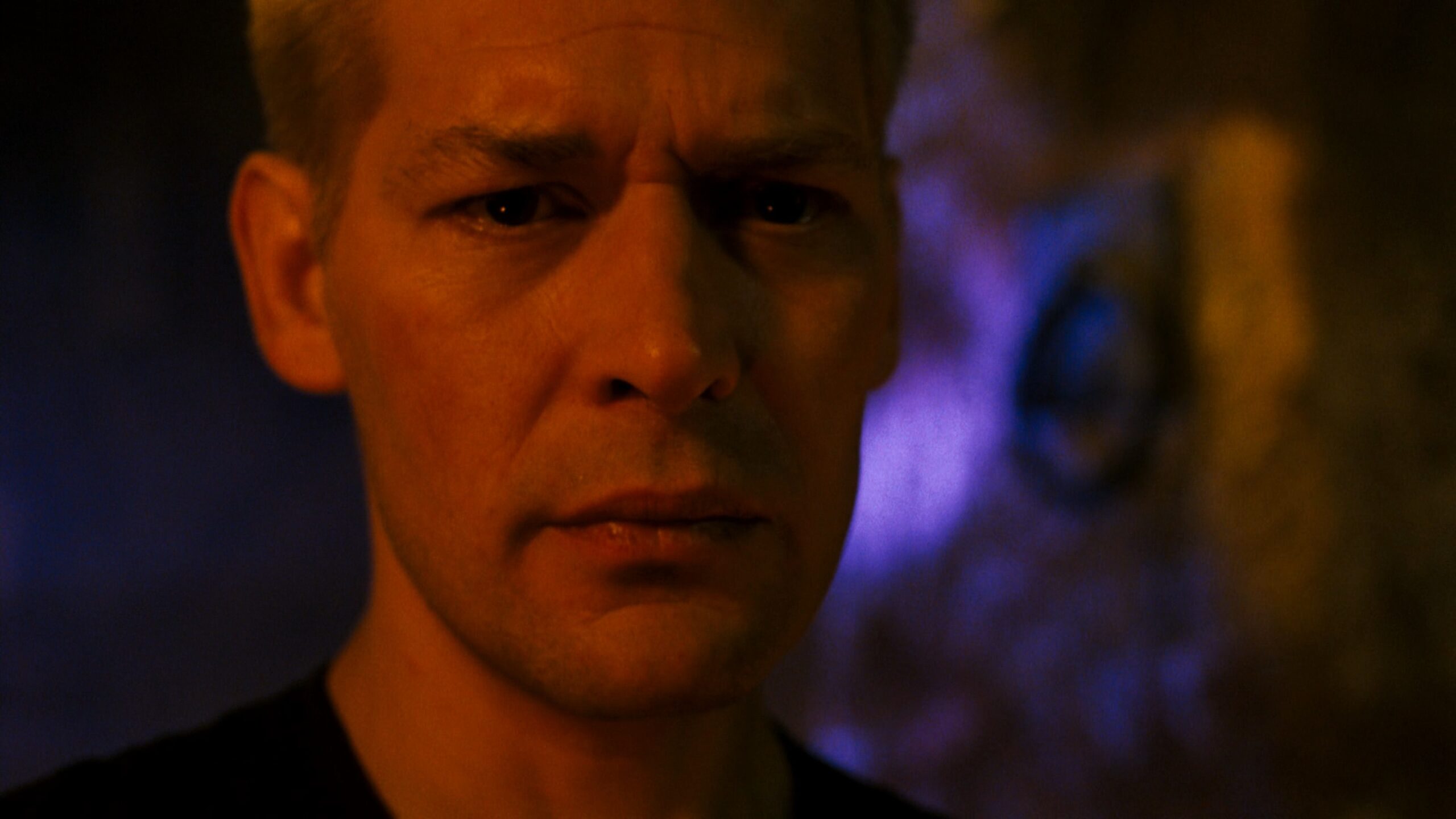
Michael |
🎙️ View life in 4K Ultra HD
Tops of support:
- The best 4K Blu-ray in support v.1, v.2
- The best 4K Blu-ray to test 3D sound v.1, v.2
- The best 4K Blu-ray 2020, 2021, 2022, 2023, 2024, 2025
Support flops:
Useful links:
Nyctalope like Riddick and with a very good hearing, I am ready to jump on physical editions and SVOD platforms. But if the quality isn't on the rendezvous, stop at the bite! #WeLovePhysicalMedia
Categories
Recent Posts
NAZA, life of others: adjustment variable
- 16 October 2026
- 26min reading
The Mag.7: Guillaume Kosmicki's selection
- 12 October 2026
- 19min. of reading
Silent Hill: Townfall, societal concussion
- 30 September 2026
- 5 min. of reading
The 4K Ultra HD Bazaar, volume
- 30 September 2026
- 80 minutes. readable
007 First Light: barrels are eternal
- 28 September 2026
- 6min. reading