Welcome to The 4K Ultra HD Bazaarvo monthly appointment to find out all about the latest 4K releases and the visual and audio experience they offer. Born of his author's passion for physical media and his desire to share with you the pleasures of cinema at home in his most accomplished form, each issue is the opportunity for the celest wolf to test and evaluate the audio/video performances of many discs released in France and internationally, guiding you through the subtleties of the HDR, the nuances of the WCG and the immersion of 3D soundtracks.

Whether you're a seasoned cinephile looking for the best editions of the market or an amateur wishing to maximize its home-cinema installation, follow the recommendations of our expert and prepare to be amazed by a quality image and sound you thought so far reserved for cinemas. Good reading and enjoy every issue to come! #WeLovePhysicalMedia 📀✨

4K Ultra HD logo

It is brought to the attention of our dear readers that, in addition to the specified and used viewing equipment, the rendering may differ from one installation to another, whether or not it is calibrated, as well as personal preferences and expectations may influence notation.

QD-OLED Television : Sony Bravia XR-65A95L
Universal reader : Oppo UDP-203 Audiocom Reference
Multimedia player : R_volution PlayerPro 8K Signature Edition
Modular home cinema pack (11.1.4): JBL BAR 1300 MK2

Image Modes : Professional (SDR or HDR) | Dolby Dark Vision | IMAX Enhanced
Listening modes : Dolby Atmos | DTS:X | Dolby Surround (Dolby TrueHD, Dolby Digital) | DTS Neural:X (DTS-HD, DTS) | LPCM

Contents

Made in France

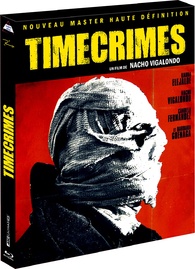
Time crimes

Source France | Publisher : The cinematographers | Release date : 05 July 2026

Video format
2160p24 | Ratio 1.85
HDR10 | Dolby Vision | BT.2020
HEVC encoding | DI 4K

Soundtrack
Spanish Dolby TrueHD 5.1
Dolby Digital 5.1 English

Subtitles
English
French

Time crimes
Rated 4 out of 5

Artistic : 7.5 | Video : 8.5 | Audio : 8

WORK – An Iberian temporal thriller that amuses to bend logic like a malicious origami, juggling with its paradoxes until stunning. Driven by a mischievous but clever staging, the story progresses in spiral, trapping its antihero in a carousel almost slapstick echoes. The economy of means here becomes an engine of ingenuity, transforming each detour into a fatalist coup. A mechanic implacable, traversed by a black humour with the blink of a sardonic eye.

IMAGE – Despite a super 16 capture inflated in 35 mm which naturally limits accuracy, the 4K restoration reveals a more stable and clean image. Wide planes remain softened, while close textures gain sharpness, including clothing fibres and facial injuries. The grain, marked but organic, remains consistent. The deliberately attenuated colors retain some sudden bursts, and the deep contrasts reinforce the lo-fi aesthetic.

SON – The Spanish track Dolby TrueHD 5.1 offers clear dialogues, perfectly integrated into a deliberately sober mix, where the music of Eugenio Mira and the felted atmospheres exploit the surrounds to install a targeted tension. The effects remain clear, severe but effective. The whole favours clarity rather than power, faithful to a minimalist mix. The VF lossy, less extensive and with sparse dubbing, does not support the atmosphere of the film as well.

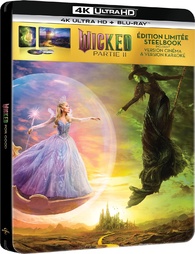
Wicked: Part II

Source France | Publisher : Universal Pictures | Release date : 1 April 2026

Video format
2160p24 | Ratio 2.39
HDR10 | Dolby Vision | BT.2020
HEVC encoding | DI 4K

Soundtrack
English Dolby Atmos
English Dolby Digital Plus 7.1

Subtitles
English
French

Wicked: Part II
Rated 4.5 out of 5

Artistic : 8 | Video : 10 | Audio : 10

WORK – Magnificently faithful to the Part 1, this musical fresco unfolds a darker spell where each note seems to crack the illusions of an already flickering kingdom. Friendship echoes, now tinted with ambiguity set with emerald brilliance, intertwine with vocal flights that defy emotional gravity. Between vertigo of destiny and veiled revelations, the libertarian drama recalls that even the most misunderstood witches carry an indomitable light.

IMAGE – A result of a 6.5K shooting (Arri Alexa 65), this 4K master exploits a formidable precision: discrete grain added in post-prod, ultra sharp textures, generous depth and detailed shadows sculpt each environment. The palette explodes without blush, from iconic green to pastel lights, while the light sources take full advantage of the Dolby Vision dynamic. Digital effects, never softened, naturally merge with the majesty of the visual device. Wow!

SON – The VO Dolby Atmos impresses with its wide dynamic, low-farms and fully exploited vertical space, offering continuous immersion where songs, effects, crowds and atmospheres circulate with remarkable mastery. The dialogues remain audible, even in the most loaded passages, and the musical numbers gain a real breath. The VF, energetic but less well distributed, especially at the rear, inherits songs coarsely adapted to shy voices.

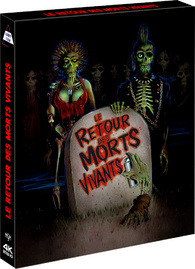
The Return of the Living Dead

Source France | Publisher : The cinematographers | Release date : 04 June 2025

Video format
2160p24 | Ratio 1.85
HDR10 | Dolby Vision | BT.2020
HEVC encoding | DI 4K

Soundtrack
English DTS-HD MA 5.1
English DTS-HD MA 2.0
French DTS-HD MA 2.0
French DTS-HD MA 2.0 (alternative mixing)

Subtitles
French

The Return of the Living Dead
Rated 4 out of 5

Artistic : 7.5 | Video : 9 | Audio : 8

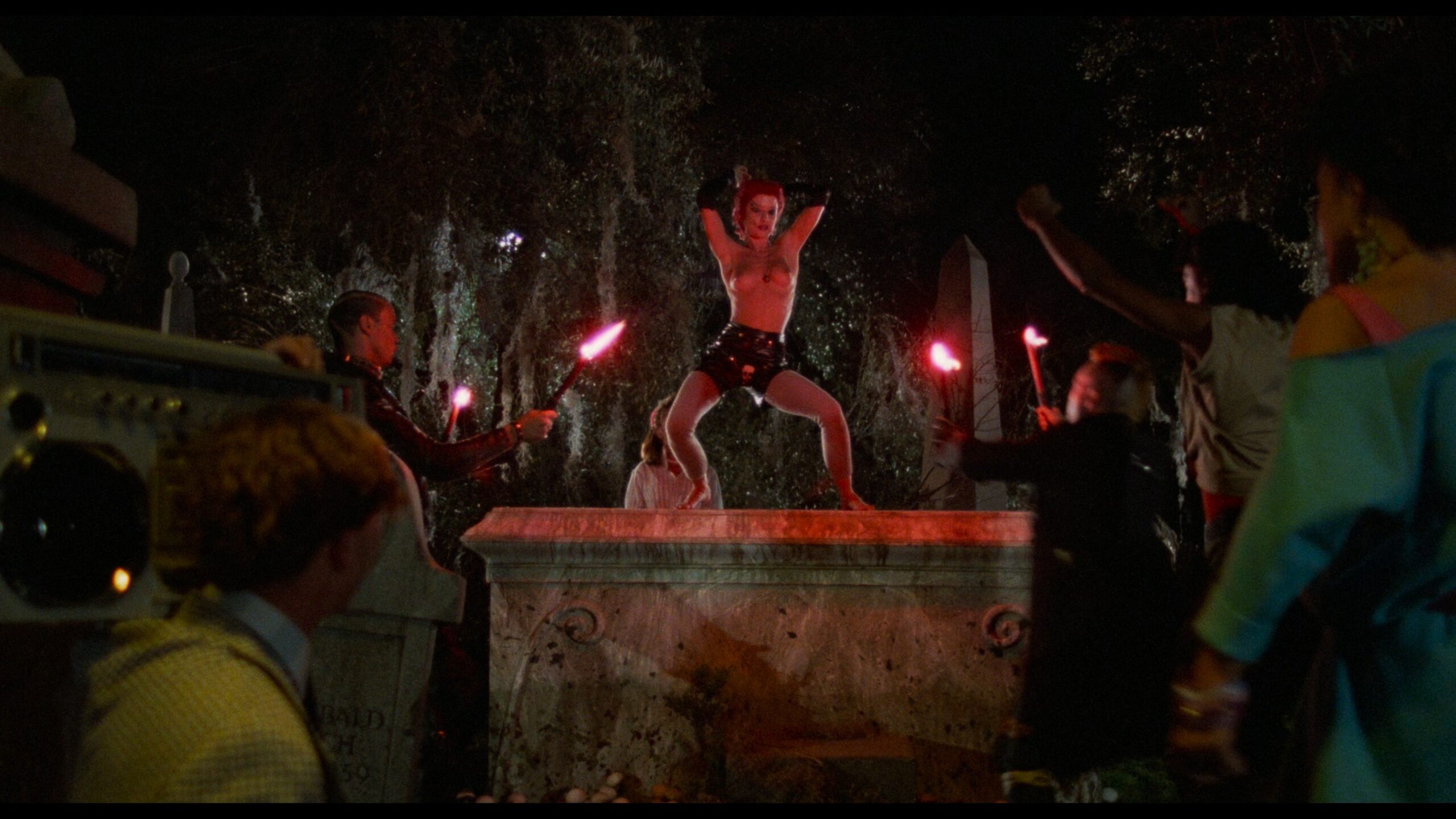
WORK – As he transforms the decomposition into a carnival, this punk horror carnival juggles with gore, satire, and rock, to remind that zombies run faster than reason. Between corrosive gags, talkative corpses and a toxic atmosphere chaining insolently, the macabre stuffing doped with hysteria proves that laughter in front of the apocalypse remains the most delicious contamination. A wild classic whose contagious madness continues to bite today. Brain!!!

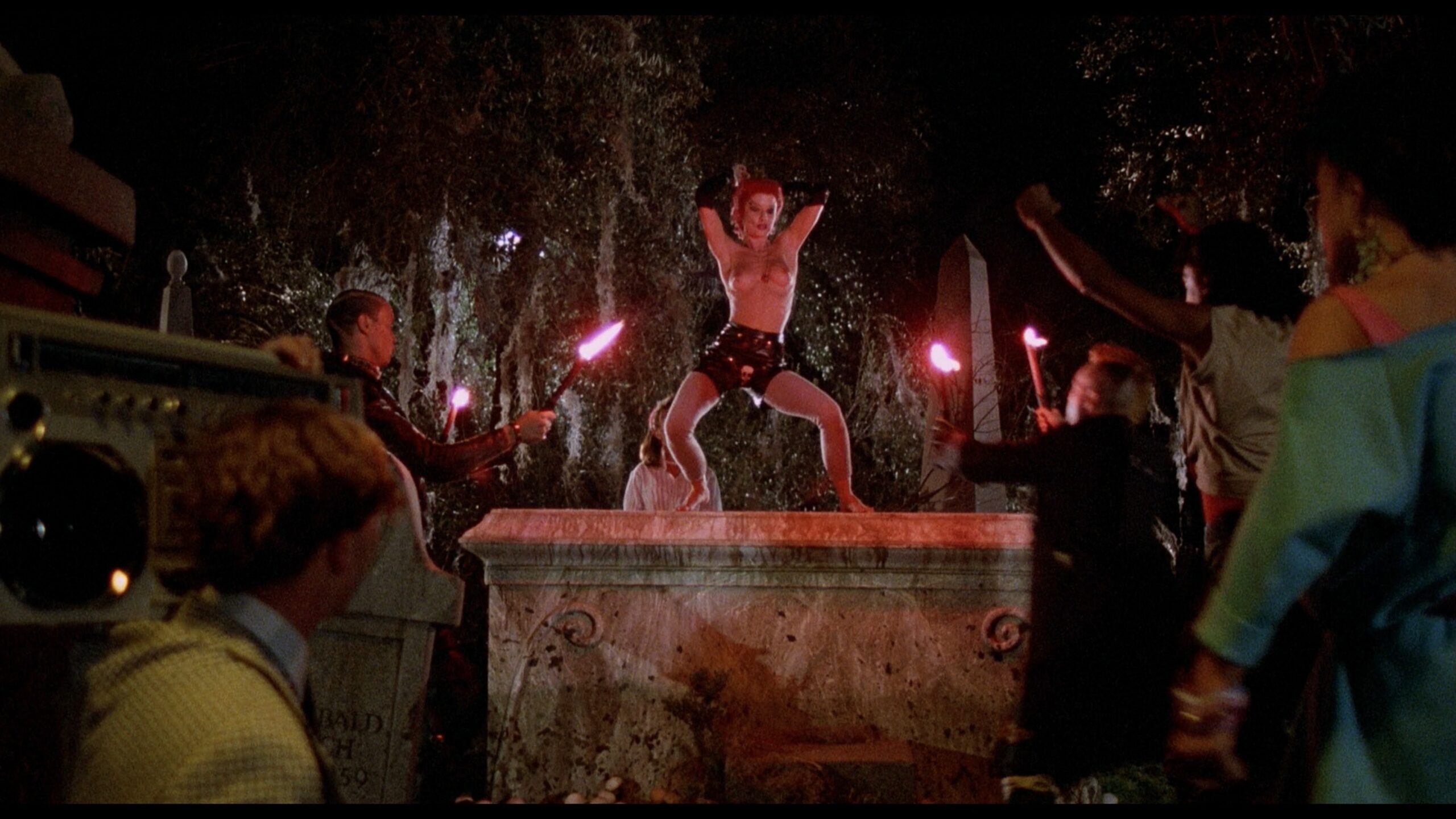
IMAGE – Drawn from a 4K scan of the original 35 mm negative, the restoration delivers a much denser image than the previous Blu‐ray, with firmer contrasts and brighter sculpted radiances. The Dolby Vision intensifies flames and neons, while the definition reveals makeup, organic textures, fine grain and urban surfaces with new precision. The palette gains saturation, reinforcing red, carnation and acid green. Encoding avoids any notable artifact.

The Return of the Living DeadThe Return of the Living Dead

SON – The stereo VO mix retains its raw identity: focused, direct, clear in dialogue and faithful to the film's budget. His tonal finesse gives him an analogic charm, even if the seat remains light. Track 5.1 expands space, strengthens bass and score, and injects a little life around the speakers without turning the work into a thundering spectacle. The dual-mono VFs, less fleshy, come back over and over again with an honest rendition but a slightly diminished vital breath.

Speed Racer (2008)

Source France | Publisher : Warner Bros. | Release date : 08 July 2026

Video format
2160p24 | Ratio 2.35
HDR10 | Dolby Vision | BT.2020
HEVC encoding | DI 2K

Soundtrack
English Dolby Atmos
English DTS-HD MA 5.1
Dolby Digital 5.1 English

Subtitles
English
French

Speed Racer (2008)
Rated 5 out of 5

Artistic : 9 | Video : 10 | Audio : 10

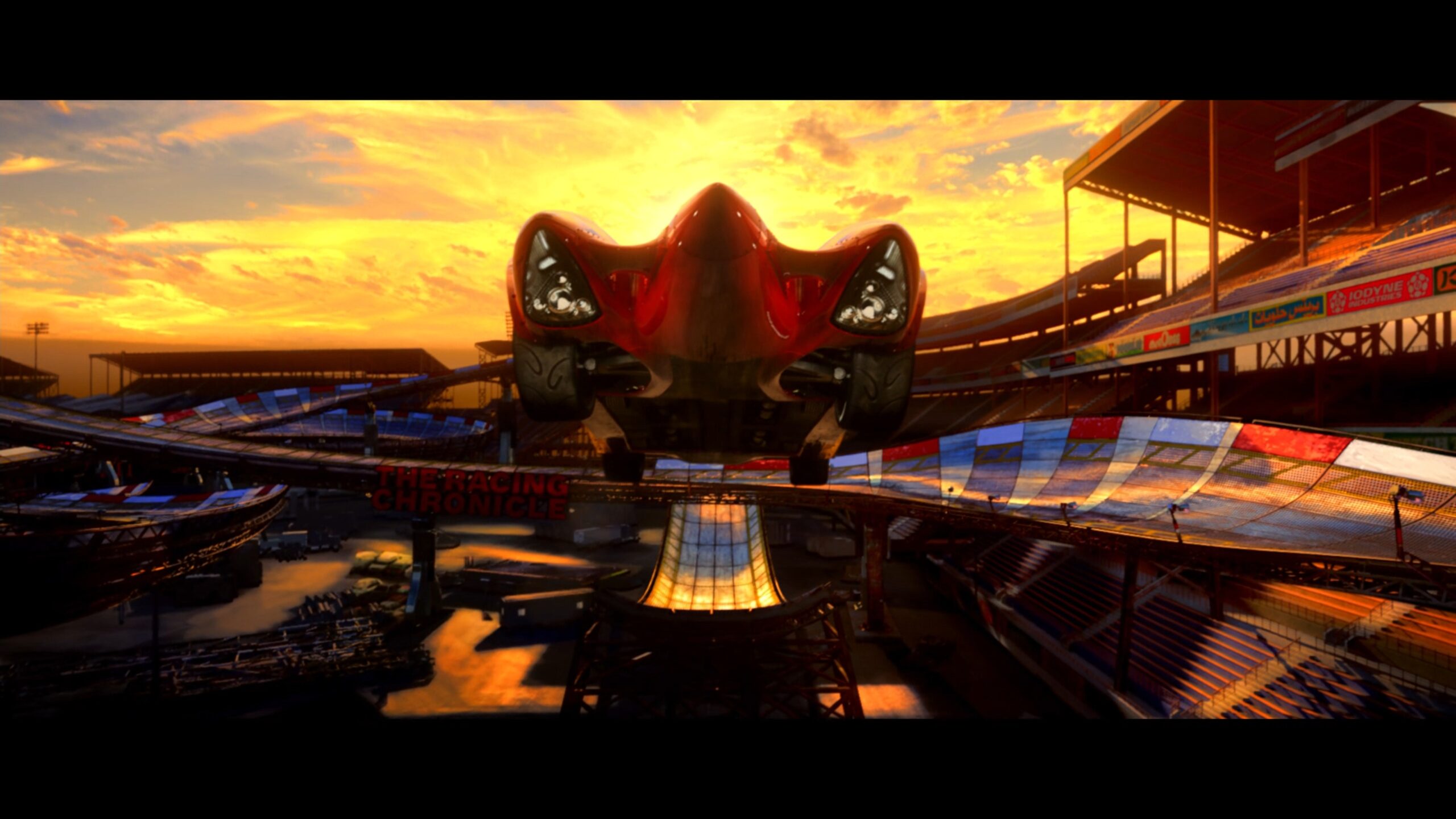
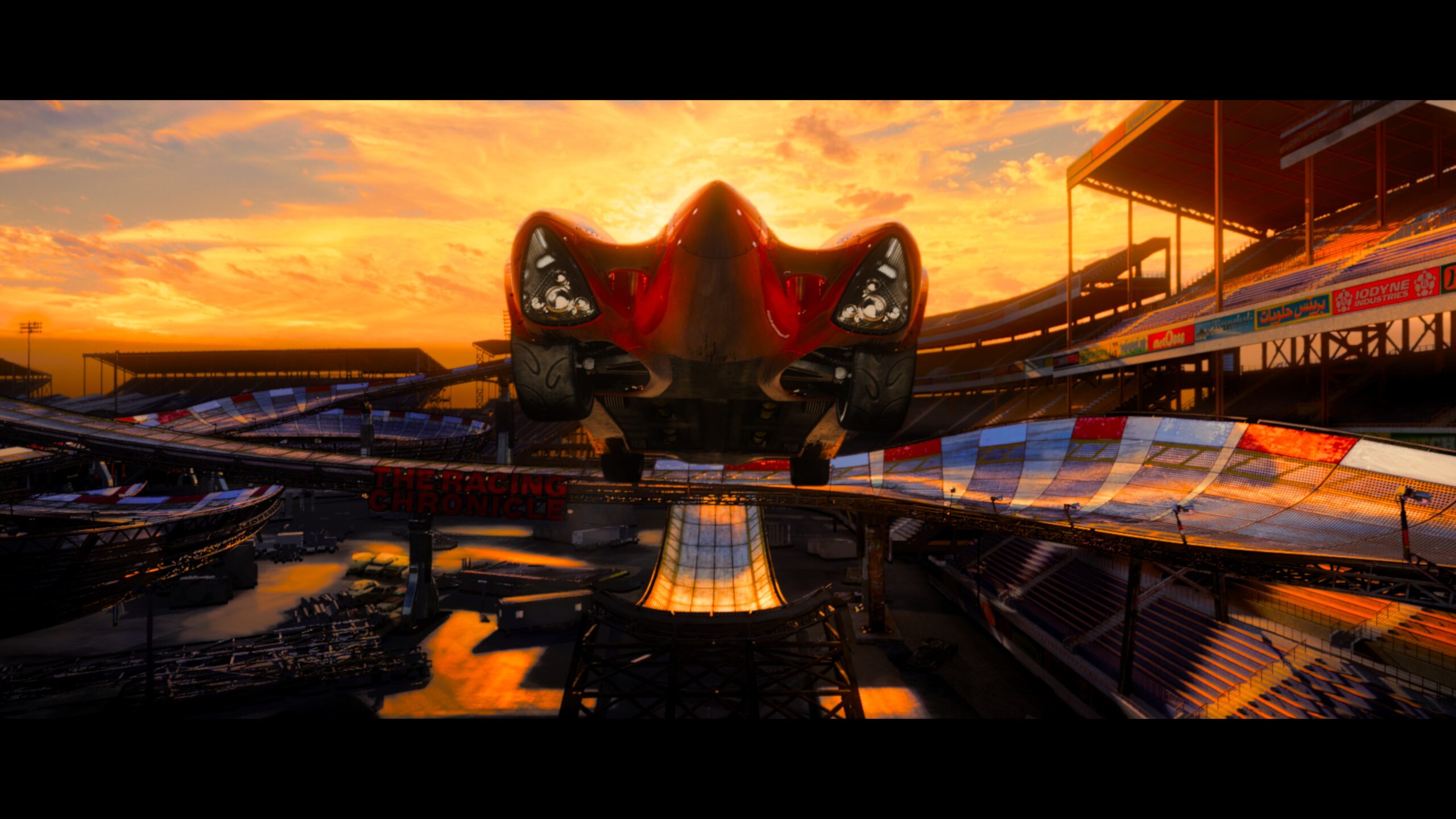
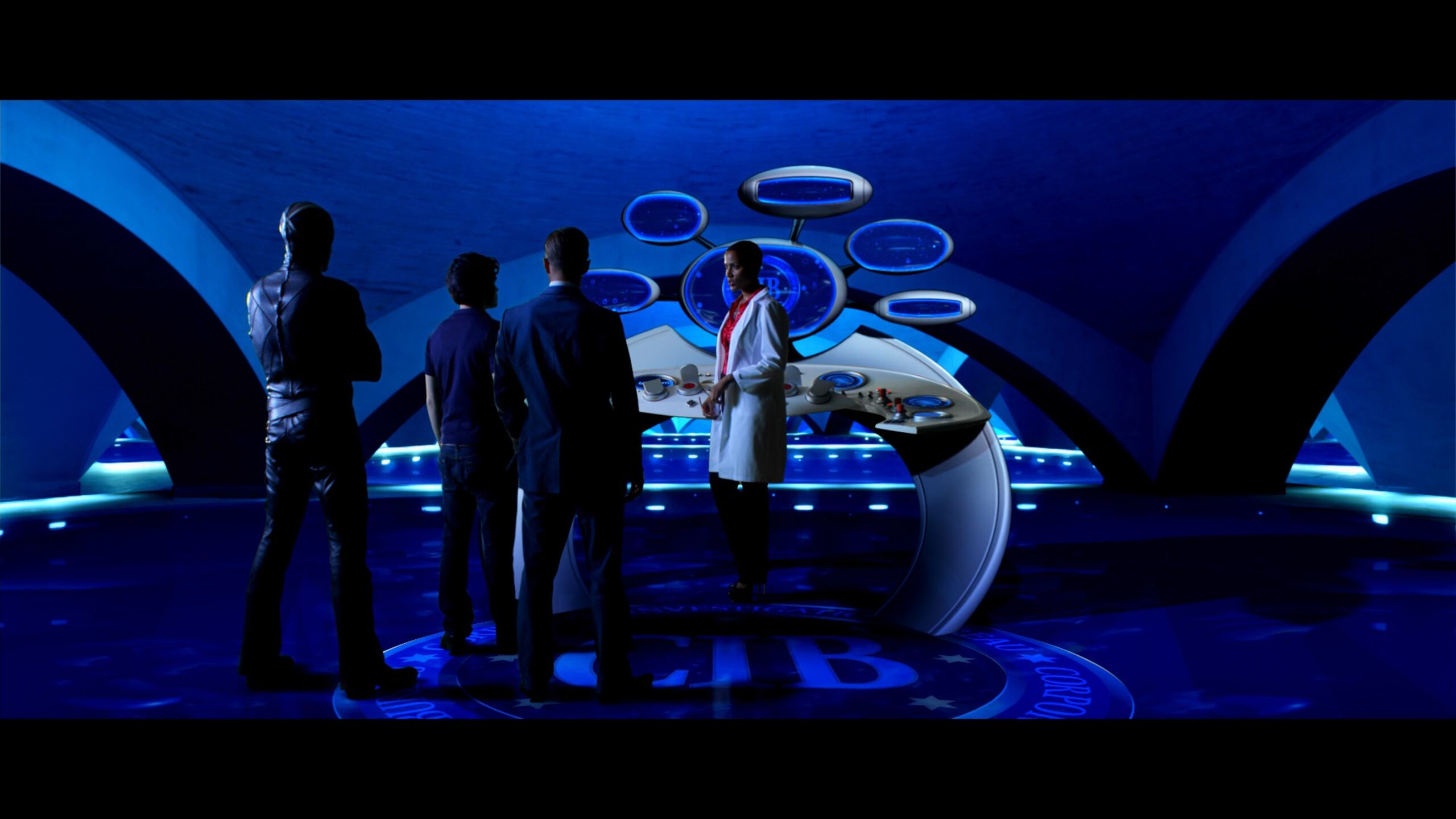
WORK – Live adaptation of the mythical anime Mach GoGoGoGo, this cartoonic trip dedicated to the drunkenness of the race arises like a psychedelic blockbuster too much ahead of its time. The Wachowski sisters, after Trilogy Matrix, forge the real Fast & Furious, an incandescent manga-live blasting all the codes. Each turn pushes like a pop mantra, each color explodes in digital fever, and the work, visionary and overvitamined, moves in unbridled manifest at speed.
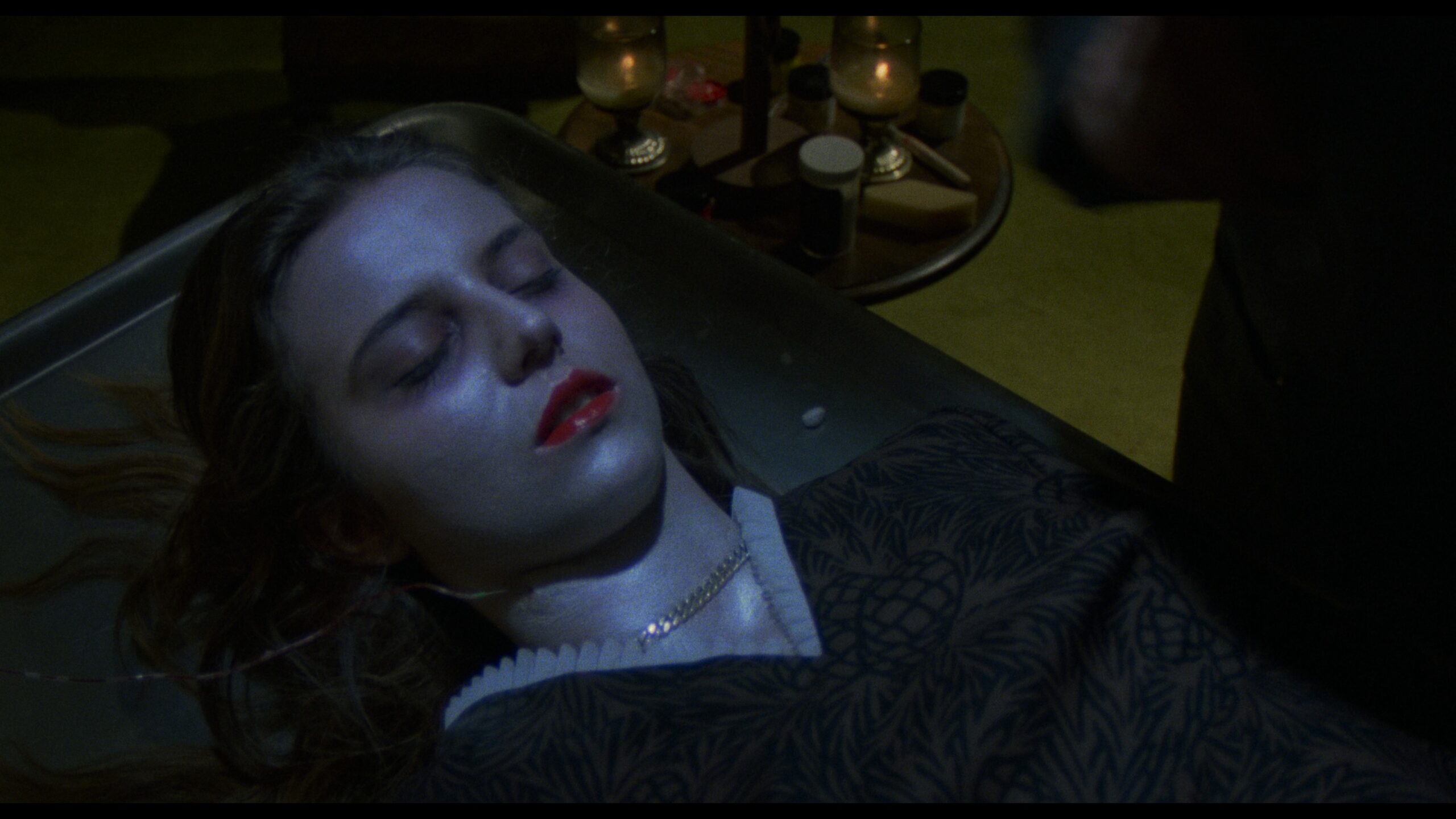
IMAGE – Doped with Mach 5, remasterization* 4K unleashes a visual frenzy: « Techno Color » which carbide as never before, high transcendent lights with recovery of details, and rebooted textures despite a DI 2K. The image, now rid of its digital slags, magnifies David Tattersall's surrealistic photo, while maintaining the intentional use of a DNR applied to the faces of older actors. A brilliant modernization that goes beyond the cinema experience.

* Recapture of filmout files 2K log 10 bits for a dynamic much higher than the SDR master, complete recalculation of perceptual curves by colorist John Daro for a new HDR calibration (targeted at 4000 nits and fully exploiting the Rec. 2020 gamut), and upscale 4K entrusted to the internal algorithm Samurai to strengthen the fine motives and reduce the aliasing, the whole plan by plan by the Wachowskis.
Speed Racer (2008)Speed Racer (2008)

SON – The remix Dolby Atmos propelles Speed Racer in a stunning sound dimension: extended scene, tracks of absolutely dingo effects, grinning motors and music integrated with a new vigour. The height channels sculpt a moving space where each stroke becomes a doped block surge. Despite the general scope, the dialogues remain clear. The VF Dolby Digital 5.1, even though energetic for such a small speed, is still struggling to fully cross the finish line.

Send Help

Source France | Publisher : 20th Century Studios | Release date : 11 June 2026

Video format
2160p24 | Ratio 2.39
HDR10 | Dolby Vision | BT.2020
HEVC encoding | DI 4K

Soundtrack
English Dolby Atmos
English Dolby Digital Plus 7.1

Subtitles
English
French

Send Help
Rated 4.5 out of 5

Artistic : 7.5 | Video : 9.5 | Audio : 9.5

WORK – After their crash, Linda and Bradley fail on an island where their hierarchical relationship is as fast as their certainty. Survivors then slide to a psychological duel, while Sam Raimi (Evil Dead) transforms the corporate world into a raging satire. His taste of grotesque irrigates each scene, between slapstick and excess gore jubilatory. Send Help Thus became a deformative mirror of the office, carried by Rachel McAdams and a deliciously odious Dylan Orien.

IMAGE – A 4K master which impresses with its surgical precision: fine textures, sharp contours and increased depth give relief to the scenery of the island. The Dolby Vision intensifies each plane, from crash to saturated cobalt tints to solar flashes sculpting turquoise water, tropical foliage and fine sand. The palette gains in richness, the blacks remain impeccably held and the dynamics are affirmed (cf. the moonlight): island landscapes and little stewing gills are magnified.

SON – The VO Atmos deploys a broad and nervous sound scene: marked verticality during the crash and the weather, constant development on the island, « shelter » surround always active between winds, jungle rustles, ressacs and distant calls. Clear dialogues, low to dry seat (a delight for impacts and voltage climbs), and a partition of Danny Elfman who takes his comfort in space. If the VF does the job without demerit, it clearly does not get the promotion.

Joan of Arc (1999)

Source France | Publisher : Gaumont | Release date : 03 June 2026

Video format
2160p24 | Ratio 2.40
HDR10 | Dolby Vision | BT.2020
HEVC encoding | DI 4K

Soundtrack
English DTS-HD MA 5.1

Subtitles
English
French

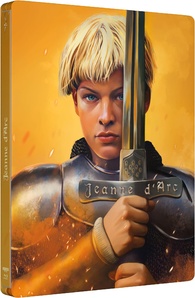
Jeanne d'Arc (1999)
Rated 4.5 out of 5

Artistic : 9 | Video : 9 | Audio : 9.5

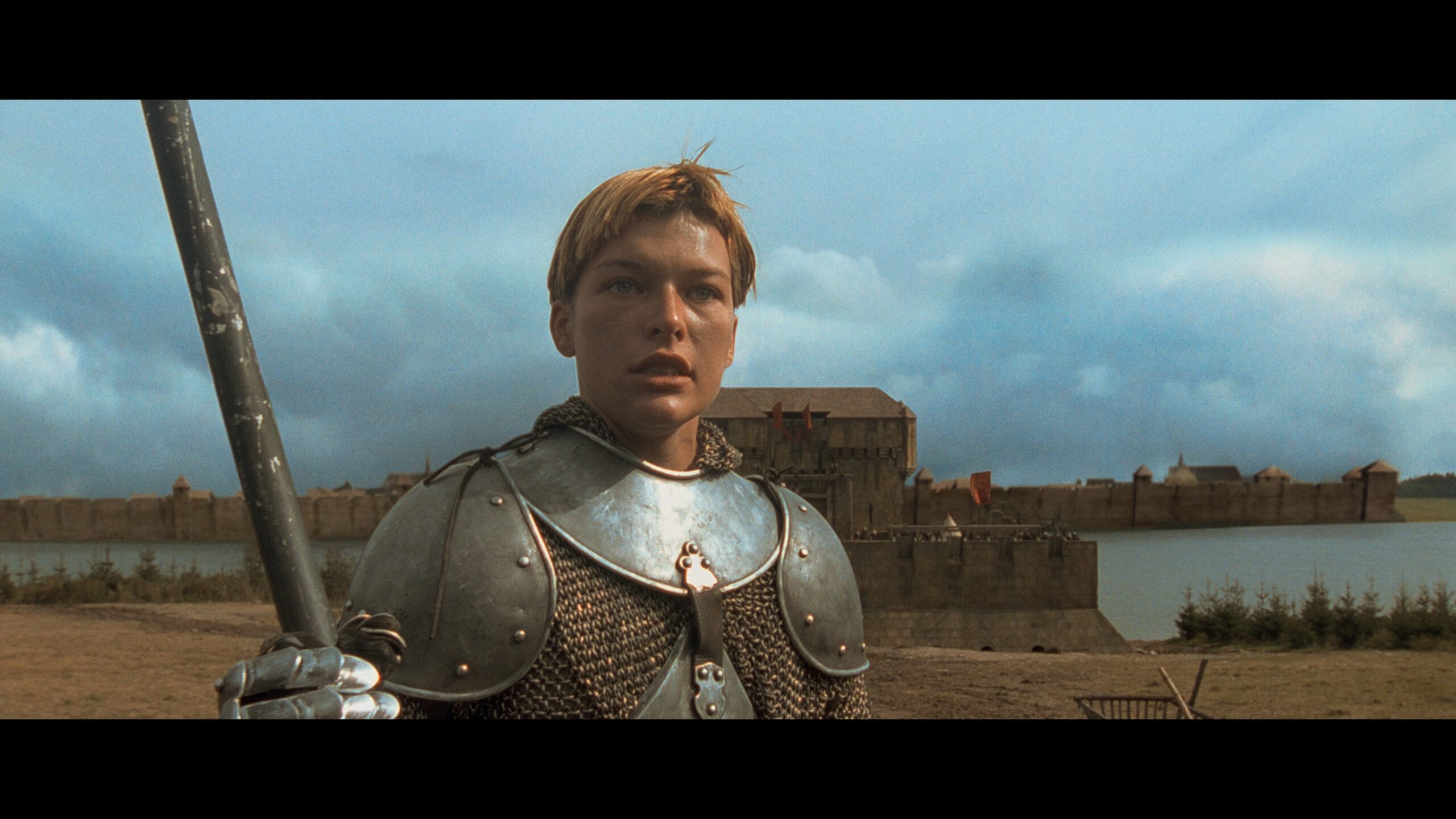
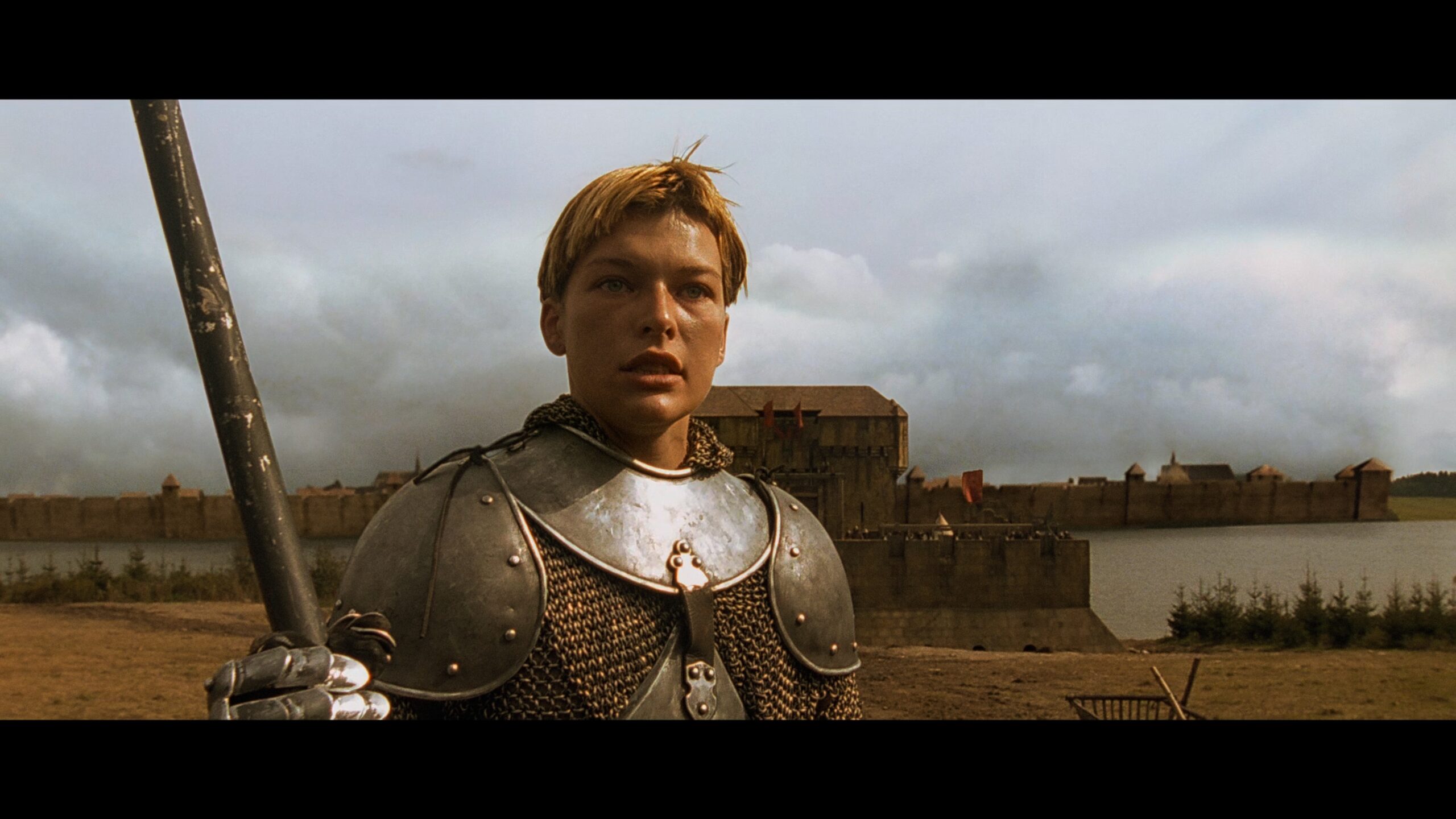
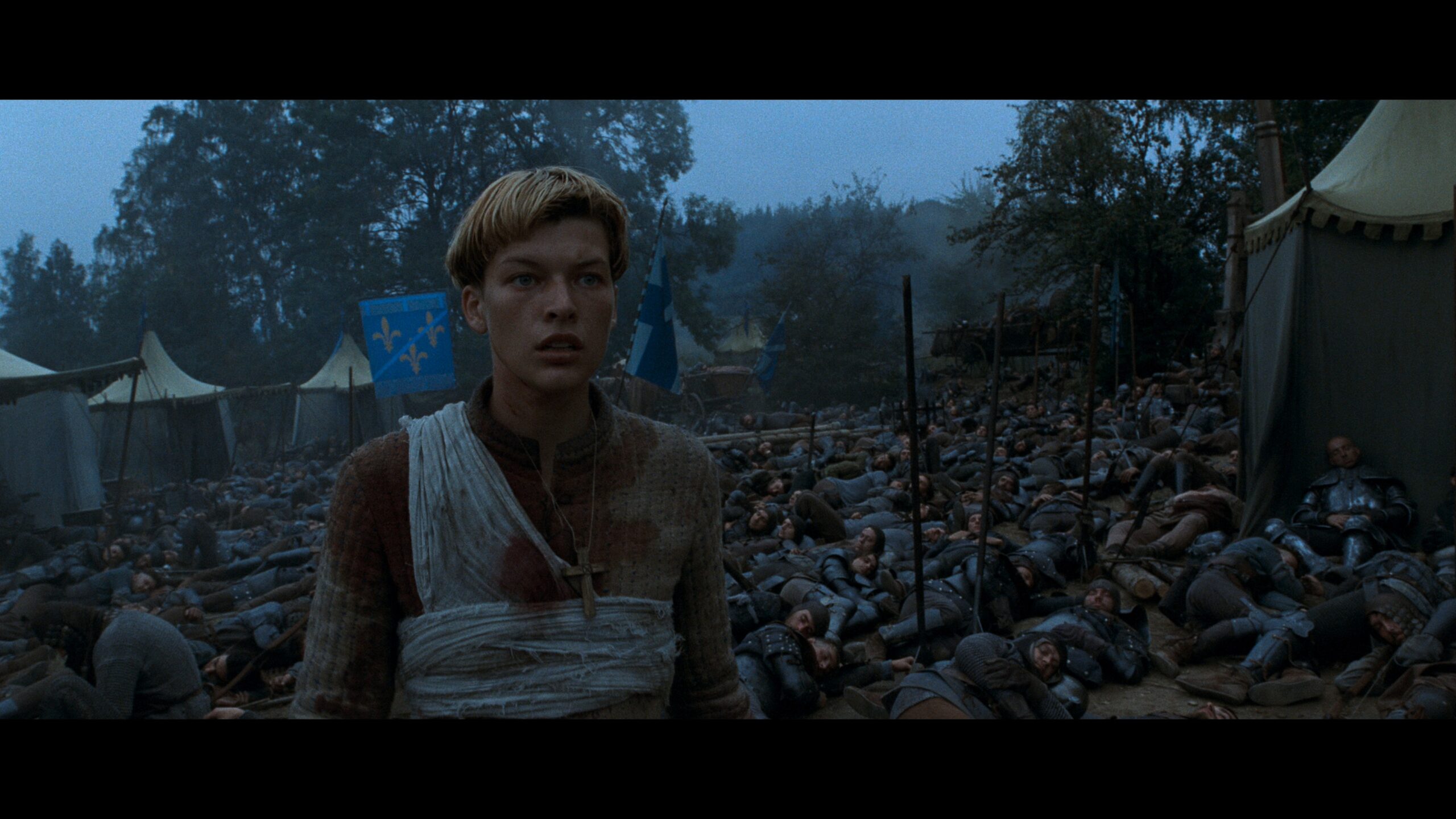
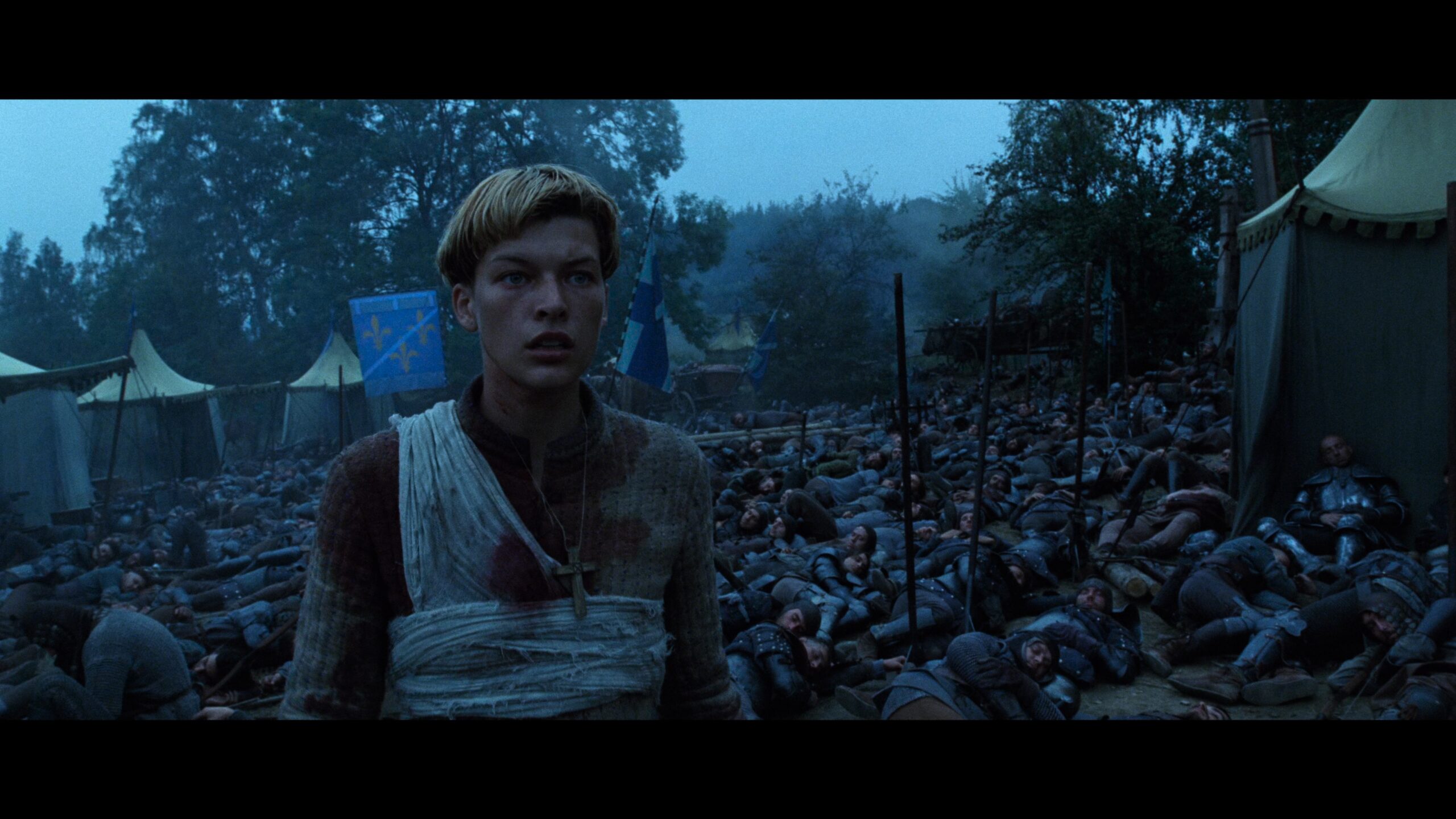
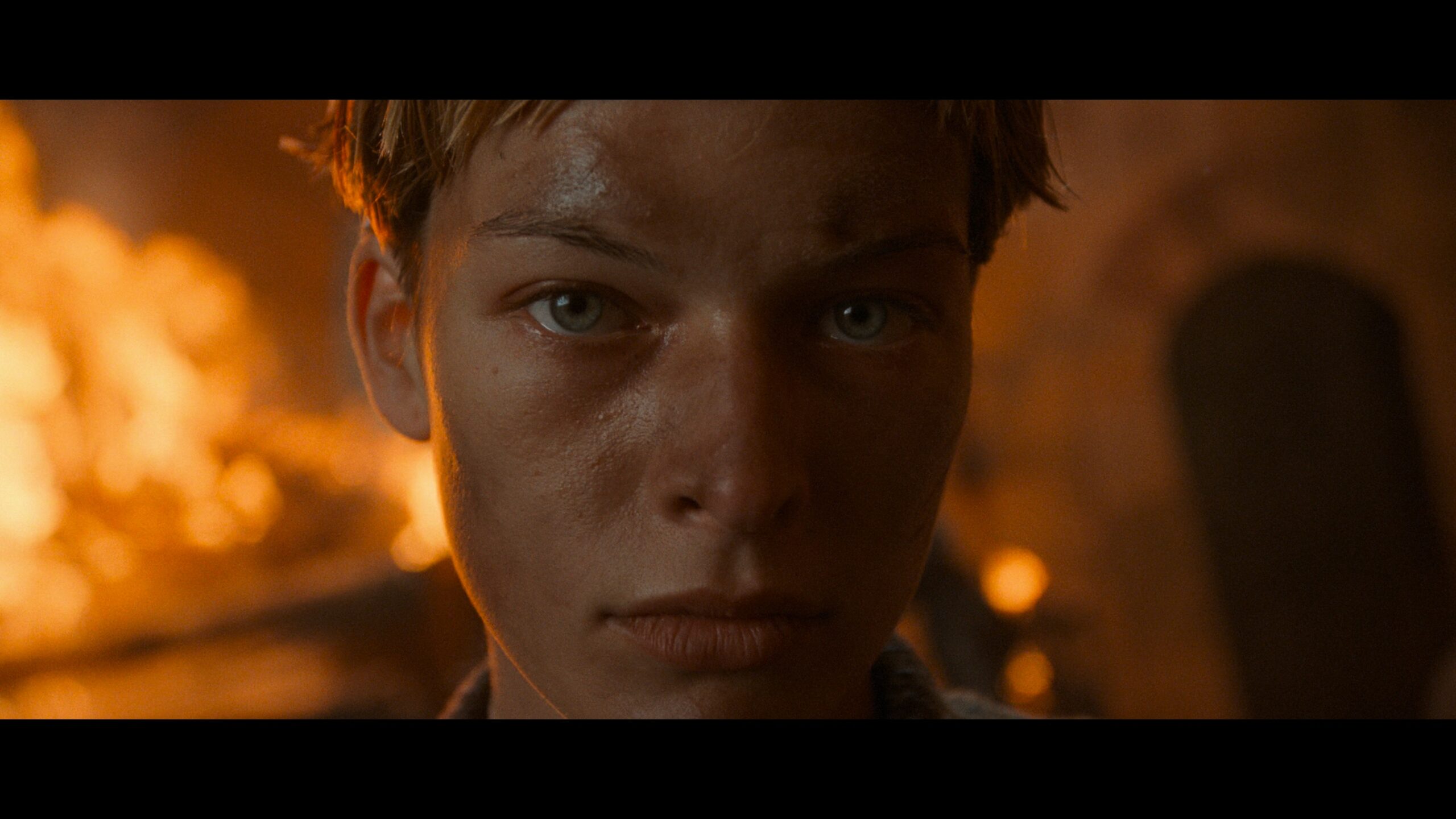
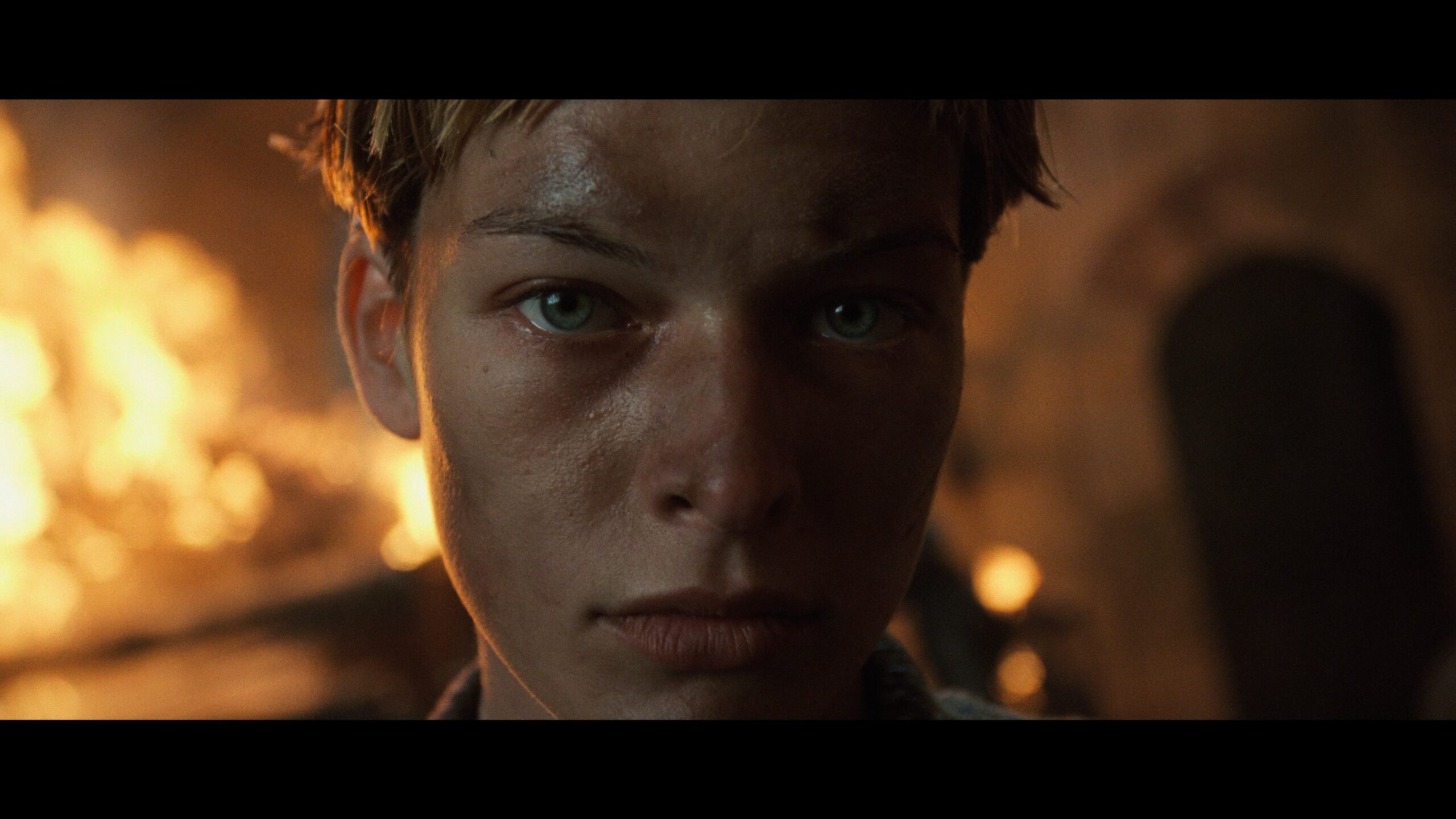
WORK – carried by the incandescent fervour of a Milla Jovovich (Resident Evil) inhabited until trance, Joan of Arc ignites the screen of a baroque staging where prophetic visions, warrior fury and mystical impulses intertwine in a tumult of quasi liturgical images. Luc Besson erected a fiery fresco, sculpting battles as revelations and sounding, with gravity, the intimate flaw between faith and doubt. A work that, far from flickering, rekindles the blaze of myth.

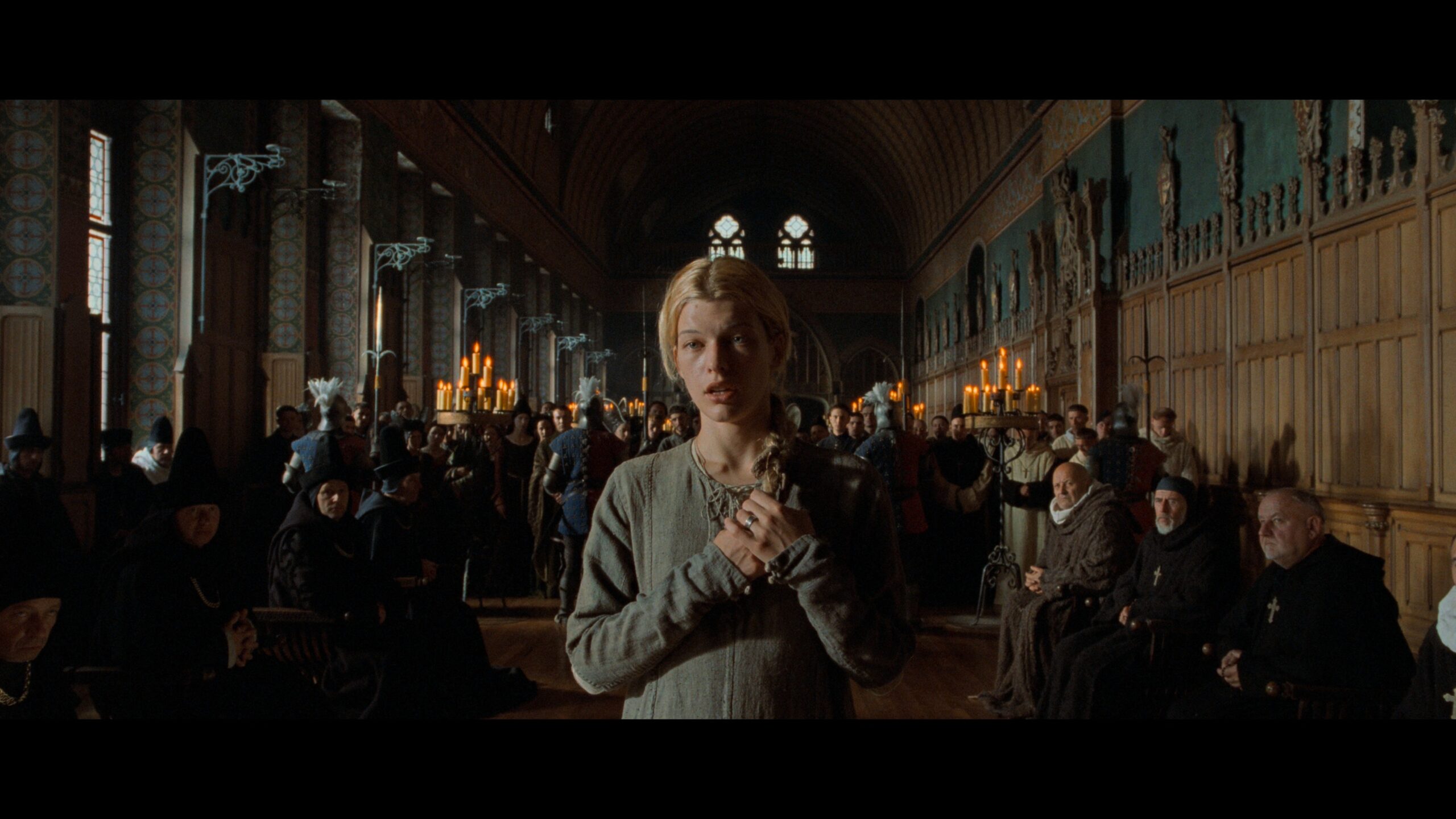
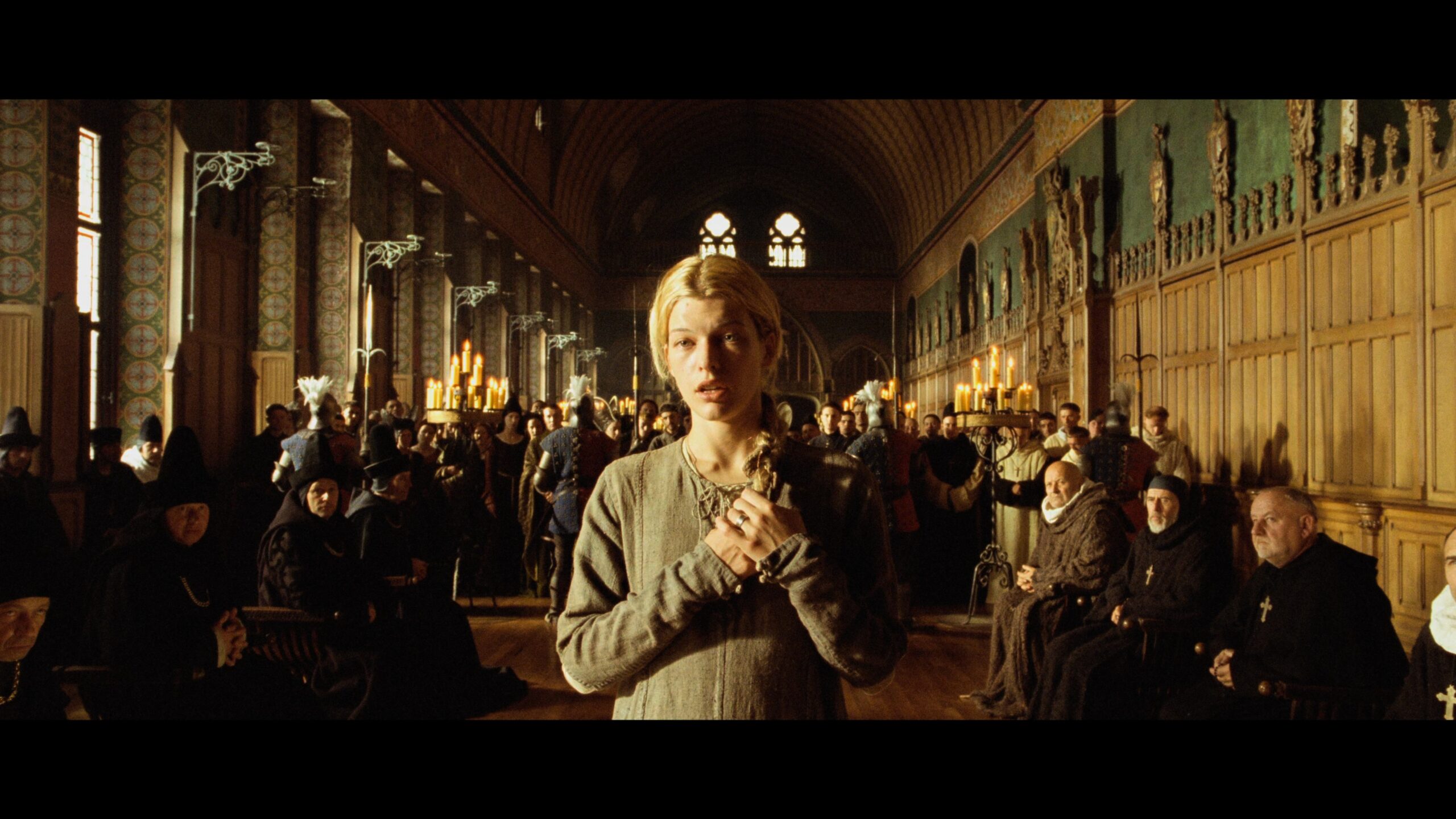
IMAGE – UHD FR transfer* radically upgrades the Blu-ray, offering a transfigured image where colors with vibrance review, deep blacks and revived details make up a picture of a new density. The rear of the frame increases in readability, the textures in precision and the palette in shade (exalted and softened blues), while the DV accentuates the brightness of light sources. Grain Super 35 stable and significantly increased depth of field. Only reserve: a tenu halo during a plan.

* Two workflows, two renderings: each speaks its own colorimetric language. At Sony, metal coldness, denser black, selective saturation (blue, green, flames) and higher luminances more supported. At Gaumont, amber heat, softer gamma and less sharp light, for a more filmed material, of a measured naturality that best fits the raw and tormented imprint of Arbogast.
Joan of Arc (1999)Joan of Arc (1999)

SON – The soundtrack unfolds a real acoustic deflection: clear voices, weapon effects and catapulted fracs with spectacular vigour, enveloping spatialization and a formidable energy LFE. The VO is distinguished by more harmonious dialogues, while the VF remains clear, dynamic and superbly articulated, despite less well integrated dubbing. Eric Serra's score is a striking relief. Note: the Dolby Atmos mix did not cross the Atlantic.

Greenland: Migration

Source France | Publisher : Metropolitan Video | Release date : 15 May 2026

Video format
2160p24 | Ratio 2.39
HDR10 | BT.2020
HEVC encoding | DI 4K

Soundtrack
English DTS-HD MA 5.1

Subtitles
French

Greenland: Migration
Rated 4 out of 5

Artistic : 7.5 | Video : 9.5 | Audio : 9.5

WORK – This follow-up Last refuge maintains an honorable intensity, offering a disaster spectacle to the height of man where dramatic vigour is combined with visual impulses as vivid as a comet. The narrative, despite its predictability and supported emotions, remains effective and attentive to the fragility of its characters. Here and there, a few humorous traits, as stealthy as a meteor, lighten the whole. A sincere work, revitalizing a saturated genre.

IMAGE – Arranged from its chaotic universe, the work finds in UHD a ground where every detail displays with increased intensity. The master shows a constant relief, firm textures and a dry photograph magnified by an incisive HDR10. Deep blacks stabilize together, while the rare colors increase in density. Compared to Blu-ray, which is outperformed in all visual situations, the contrast greatly enriches, the shades assert (the Clark crater) and precision dominates.

SON – Private atmos mix, blocked in the bunker of Lionsgate, activate a 3D DSP is required to fully release a 5.1 (VO/VF) already highly immersive. Impacts, storms and debris projections saturate space with raw energy, supported by grumbling subbasses. The sound scene, precise and mobile, envelopes thanks to a rigorous separation. Clear dialogues, extensive music and stated directional effects are embedded in cataclysmic dramaturgy.

Leading Las Vegas

Source France | Publisher : Studiocanal | Release date : 20 May 2026

Video format
2160p24 | Ratio 1.85
HDR10 | Dolby Vision | BT.2020
HEVC encoding | DI 4K

Soundtrack
English DTS-HD MA 5.1
French LPCM 2.0

Subtitles
French

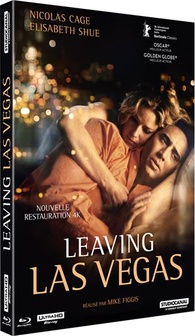
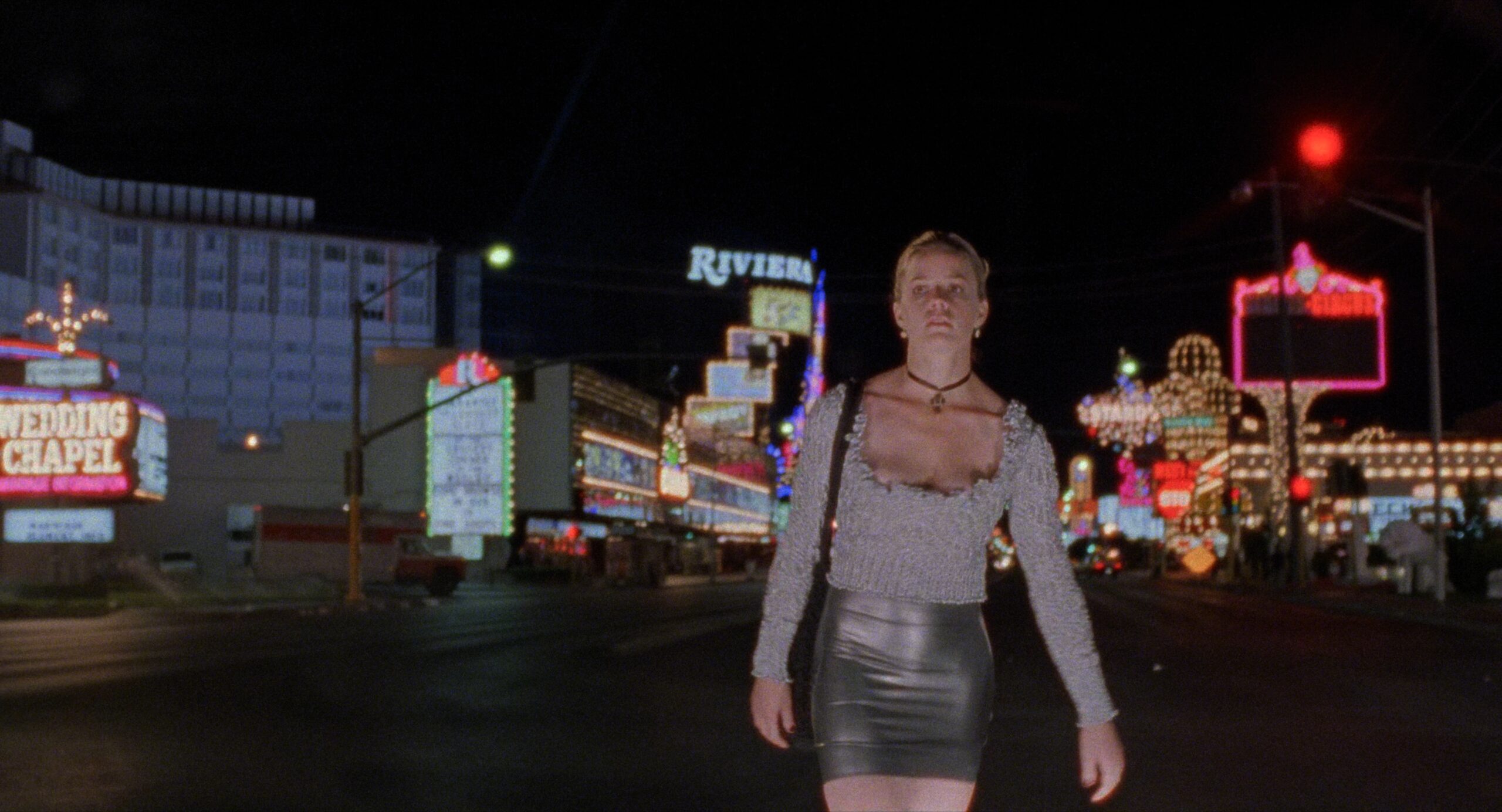
Leading Las Vegas
Rated 4 out of 5

Artistic : 9 | Video : 8.5 | Audio : 8

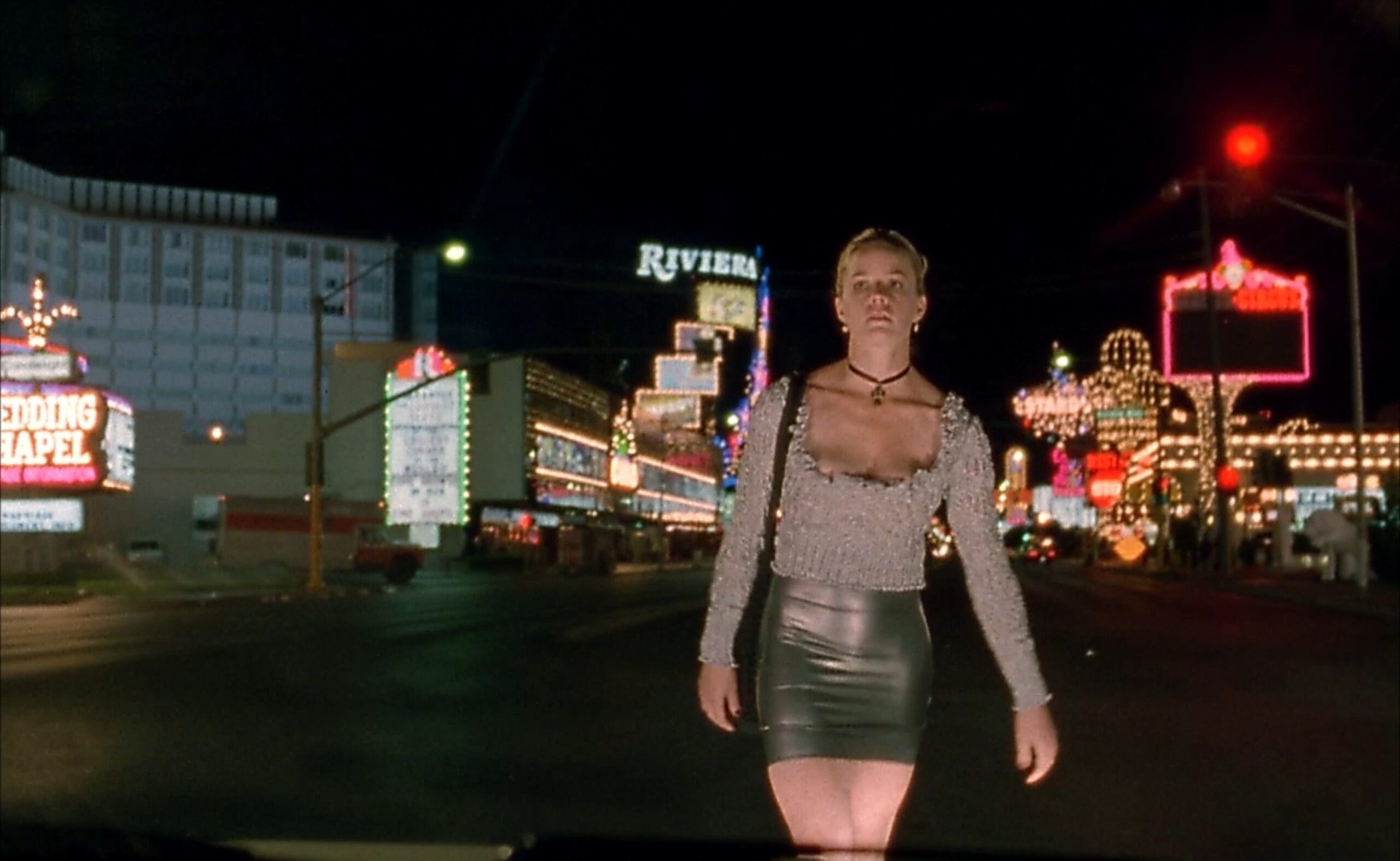
WORK – In this twilight drama, the city seems to be playing the dealer of destiny, distributing cards that always lose to two beings (one feverish, the other injured) in perdition. Under cruel neons, drunkenness becomes a language, tenderness a stolen breath. We move as if on a wire, fluctuating between abandonment and fragile radiance. Every look burns, every gesture murmurs a naked truth: sometimes, to love is simply to sink together, in silence, without a promise of tomorrow.

IMAGE – Based on a 4K scan of the negative Super 16, the transfer now adopts a 1.85 ratio (formerly 1.66) approved by Mike Figgis, significantly widening the lateral frame. The rendering remains smooth but becomes more precise, especially in close-ups, while the silver grain, substantial, imposes without fireworks. The voluntary darkness, reinforced by a measured DV, densifies black, signs, flickering lights and saturation, serving a peaty realism, without escape.

Leading Las VegasLeading Las Vegas

SON – Leaving the Dolby Atmos of Shh! Studios In Vegas, the disc is supported by a large and clean DTS-HD MA 5.1, prioritizing a solidly enlarged front. Fragile whispers and melancholic jazz find there a superb presence, supported by a discreet but enveloping surround. While this is a few lines of Nicolas Cage, deliberately veiled, the dialogues remain very clear. VF 2.0, less intoxicating, leaves the table long before the night ends.

A Knight of the Seven Kingdoms - Season 1

Source France | Publisher : Warner Bros. | Release date : 17 June 2026

Video format
2160p24 | Ratio 2.00
HDR10 | Dolby Vision | BT.2020
HEVC encoding | DI 4K

Soundtrack
English Dolby Atmos
Dolby Digital 5.1 English

Subtitles
English
French

A Knight of the Seven Kingdoms S1
Rated 4.5 out of 5

Artistic : 8 | Video : 10 | Audio : 9.5

WORK – In this chivalrous fresco with a modest ambiance, the story advances with a cabossed nobility where honor, like a split shield, still resonates. The series, with a singular epic breath, unfolds a rough grace, mixing moral jousts and shrapnel of humanity, as if every step in the dust announced a wider destiny. It tastes a felt irony, a steel humor, and this subtle way of making legends vibrate before they become myths.

IMAGE – This UHD presentation imposes its charge, with the textures of the fabrics, the patinas of the scenery and the reliefs of the landscapes increasing in density. The Dolby Vision module finely candles, coats and shadows, displaying deep blacks, controlled brightness and firm contrast, without highlight. The six episodes benefit from a stable, detailed and cinematic restitution, revealing a controlled production, whose visual care touches on each plane.

SON – The VO Dolby Atmos erected a soundscape worthy of the great halls of Westeros: frank voices like a broken lance in the middle of the race, rustling between the speakers (the guests, the flora, the spectators), bursting with joustes running like a rumbling cavalry. The size and accuracy of the mixing wrap each scene. The VF lossy, honest but less majestic, does not compete with the immersive power of its 3D sister. Well-integrated dubbing.

GOAT: Dreaming higher

Source France | Publisher : Sony Pictures | Release date : 17 June 2026

Video format
2160p24 | Ratio 2.39
HDR10 | Dolby Vision | BT.2020
HEVC encoding | DI 2K

Soundtrack
English Dolby Atmos
English DTS-HD MA 5.1

Subtitles
English
French

GOAT: Dreaming higher
Rated 4.5 out of 5

Artistic : 8.5 | Video : 10 | Audio : 10

WORK – In this animated film, the sporty fable finds its rhythm thanks to endearing characters who play collective without losing their singularity. The central duo, always ready to try the impossible drive, brings a frank energy, supported by a nervous setting that never drops the ball. Despite a few over-telephoned passes, the ensemble is marked by its sincerity, its gloomy humour and this little spark that reminds us that aiming higher is not just a slogan.

IMAGE – In UHD DV, this visual arena where the techniques intersect (crayoned lines, shating cell shade, graphic flats, quasi-photorealistic volumes) is cut for home-cinema: vibrant textures, bright palette with incarnate diversity, black ink and high chiselled lights. Furs, feathers and decorations explode with even more sharpness, while the dynamics are much higher. A demonstration that slams like a dunk in full light.

SON – The VO Atmos imposes a real parquet tempo: sharp sound trajectories, controlled acoustic rebounds and sharpened verticality that sculpt each action. The impacts, dribbles and ambiances of the "roarball" terrains circulate with as much precision as with fluidity, supported by a serious dense vibrating each climb in intensity. Urban playlist and partition capture the ideal interval between dialogues. The less nervous VF preserves a convincing immersion.

The Bride!

Source France | Publisher : Warner Bros. | Release date : 08 July 2026

Video format
2160p24 | Ratio 2.39
HDR10 | Dolby Vision | BT.2020
HEVC encoding | DI 4K

Soundtrack
English Dolby Atmos
Dolby Atmos

Subtitles
English
French

The Bride!
Rated 4 out of 5

Artistic : 7 | Video : 9 | Audio : 9

WORK – If the scars of his chaotic production are seen as the nose in the middle of the figure, this gothic stuff, assembled by Maggie Gyllenhaal, dynamite the Frankensteinian heritage to make it a punk feminist fable where love rhymes with consent. Ida is a voice that refuses to be rebuked to the destiny of another, and her revolt irrigates this licked melodrama, cavalry with "Bonnie and Clyde" monstrous whose poetic rage revives Mary Shelley and electrifies every seam.

IMAGE – This UHD master requires a dense visual signature, carved by deep blacks, compact shadows and an incisive DV that reveals every urban texture. Cold blues, dirty ambers and neon shrapnel intertwine without ever diluting the original digital age. The separation of the planes remains firm, even in the interiors saturated with practical light. Only regret: IMAX with variable frame 1.90/1.43 did not receive his departure, leaving the 2.39 fixed to lead the ceremony.

SON – Atmos builds a very sharp sound architecture: serious carpenters, rears often put into use, precise elevation (resuscitation, shooting in the air), score by Hildur Guðnadóttir that breathes in each interstice. The dialogues are of great firmness, the laboratory benefits from a relevant dynamic, mechanical effects slam with aplomb and spatialisation skillfully extends the scene. VO and VF are numbing themselves like two rival creatures ready to simmer.

Fears

Source France | Publisher : The Smoker Cat | Release date : 06 June 2026

Video format
2160p24 | Ratio 1.85
HDR10 | Dolby Vision | BT.2020
HEVC encoding | DI 4K

Soundtrack
Italian DTS-HD MA 2.0
French DTS-HD MA 2.0

Subtitles
French

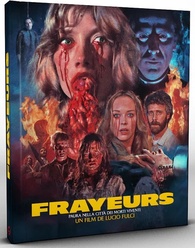
Fears
Rated 3.5 out of 5

Artistic : 6.5 | Video : 8 | Audio : 8

WORK – Fulcien up to the marrow, this baroque nightmare whose daring gore ill compensates a narration in tatters, exhibits its « Infernal dimension » as a pass trick sometimes dated, sometimes brilliant. From the horror-fantastic cult but brinchbalante, where Lucio Fulci orchestrates a fascinating lovecraftian chaos, but old: approximate game, erratic rhythm, outrageous effects. Yet this macabre poetry, visceral and absurd, is only hypnosis for horror lovers.

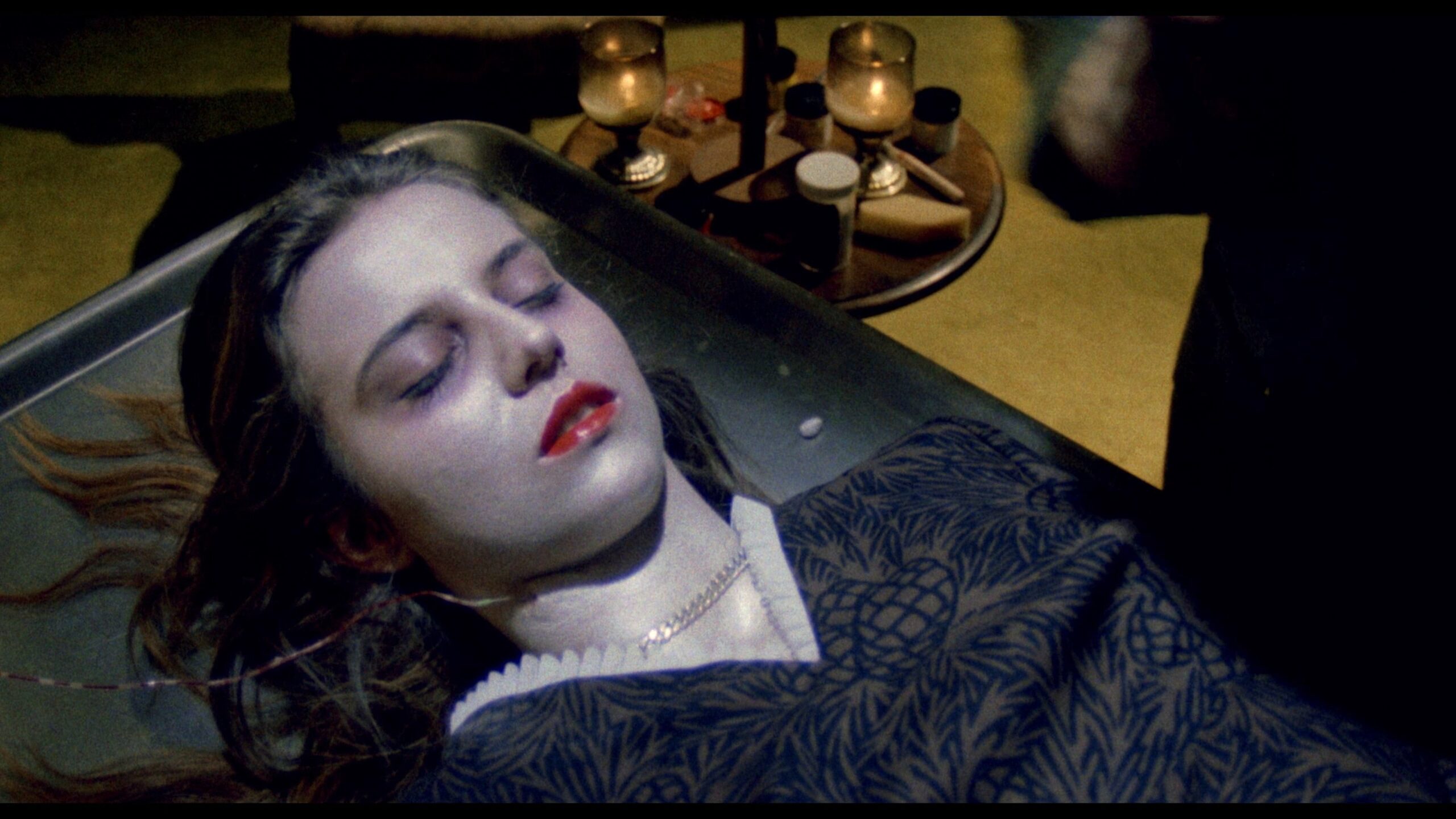
IMAGE – This master UHD revitalizes photography: the dense grain regains an organic texture, the blacks gain in relief in the ubiquitous darkness and the calibration DV, despite fluctuations, releases previously choked chromatic flashes. The details, more incisive, recall the raw roughness of the 35 mm film. The diurnal scenes have a remarkable sharpness, while the shadow benefits from a finally controlled brightness, far from the too clear rendering of the previous Blu‐ray.

FearsFears

SON – Listening surprises with its cleanliness: the Italian mono-post-synchronized track, dynamic and clear, highlights the importance that Fulci places on effects, while French dubbing retains a solid presence despite a slightly matte stamp. The dialogues remain clear, with no noticeable breath, and Fabio Frizzi's original tape enjoys a striking scale, with its synthetic tablecloths gaining impact. The absence of English capture leaves a slight lack.

The Beyond

Source France | Publisher : The Smoker Cat | Release date : 06 June 2026

Video format
2160p24 | Ratio 2.35
HDR10 | Dolby Vision | BT.2020
HEVC encoding | DI 4K

Soundtrack
Italian DTS-HD MA 2.0
French DTS-HD MA 2.0

Subtitles
French

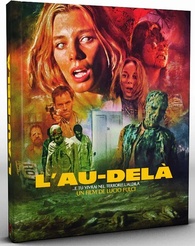
L'Au-delà
Rated 4 out of 5

Artistic : 7 | Video : 8 | Audio : 8

WORK – Beyond confirms Fulci (Hell of zombies) as an architect of the nightmare, opening his « Hell Gates » on a visual delusion as sublime as chaotic. The film, fascinating but uneven, today accuses its age: frozen play, pulpy effects, evanescent narration. Yet, this macabre drift, almost pictorial, unfolds an irresistible morbid poetry. The Godfather of Gore turns the absurd into vertigo, the incoherence into an atmosphere. A failed classic, but a haunted classic.

IMAGE – From a 4K scan of the 35 mm negative Techniscope 2-perf, the transfer exposes an increased accuracy, supported by a DV that amplifies contrasts and chromatic nuances. The shadows increase in density, the reds burst, and the grain remains finely solved. Micro-faults remain, like some scratches and instabilities, but without altering an almost exemplary restitution where organic textures, make-up, natural hues and decors are strikingly sharp.

SON – Proposed in mono Italian or French (less firm bass), the restored tracks deliver remarkable clarity, with clear dialogues, absent background noise and perfectly highlighted organic effects. The dynamics remain modest but consistent with the original material, while the music retains its visceral impact. The absence of the English version, the language of shooting, as well as the 5.1 remix available in the United States, nevertheless reduces the available sound range.

Avatar: Fire and ashes

Source France | Publisher : 20th Century Studios | Release date : 24 June 2026

Video format
2160p24 | Ratio 1.85
HDR10 | Dolby Vision | BT.2020
HEVC encoding | DI 4K

Soundtrack
English Dolby Atmos
English DTS-HD MA 2.0
English Dolby Digital Plus 7.1

Subtitles
English
French

Avatar: Fire and ashes
Rated 5 out of 5

Artistic : 10 | Video : 10 | Audio : 10

WORK – James Cameron continues his ecological opera with a dazzling mastery, unfolding an even larger, organic and sensory world. Family issues are gaining in intensity, conflicts are growing, and the staging of almost aquatic fluidity confirms Iron Jim as one of the last great architects of the total blockbuster. This third opus imposes itself as an immersive, visceral experience, where technology puts itself at the service of emotion. Pandora is back!

IMAGE – A master 4K of striking purity, where digital precision sculpts each texture with tactile sharpness. The dynamic extent, supported by a careful Dolby Vision, sublimates the contrasts, revealing deep blacks and luminous radiances of remarkable intensity. The colours, beyond the spectacular, give the environments a wild liveliness. As for depth of field, panoramas and aquatic sequences seem to cross the physical limit of the screen. Wow!

SON – The VO Dolby Atmos builds a real sound totem, where dynamic, spatialization and deep bass (Tulkun) unite to prolong the magic of Eywa. Horizontal channels draw an immersive cocon, while verticality projects Ikran, marine biodiversity and ships above the head with a striking spatial definition. Dialogues remain clear, even when music roars and human machines vibrate walls. The VF maintains a tribal impact.

The Hill has eyes (1977)

Source France | Publisher : Carlotta Films | Release date : 02 June 2026

Video format
2160p24 | Ratio 1.85
HDR10 | BT.2020
HEVC encoding | DI 4K

Soundtrack
English DTS-HD MA 7.1
English DTS-HD MA 2.0
English DTS-HD MA 1.0

Subtitles
French

The Hill has eyes (1977)
Rated 3.5 out of 5

Artistic : 7 | Video : 6.5 | Audio : 8

WORK – In this survival « cut with flint »Wes Craven (The Griffes of the Night, Scream) orchestrate a barbaric tour where each cry seems engraved in the burning rock. Under the assumed craze and the familic budget, the film unfolds fierce lucidity, revealing an America that feels civilized but stumbles as soon as it leaves the highway. The Hill does not only observe its victims: it searches our certainty, and bites them where it hurts. But in the dust of the desert, Aja will do better.

IMAGE – From two invertible colour 35 mm drawn from the negatives AB 16 mm, this UHD transfer* reveals a much more coherent image than the previous Blu‐ray: solid but stable grain, better resolved exterior details, darkened palette with denser blacks and finally natural hues, high luminance reinforced without overexposure. Despite numerous drawing fluctuations and film defects, the increased definition and assagi calibration signify an immediate improvement.

* Like Arrow before him, Carlotta based on the same master 4K HDR10 established by Medien Turbine, but with the merit of restoring the 1.85 frame instead of the 1.78 plate. A situation that reminds the Blu‐ray Program Store 2017 from the master's degree Arrow (stained with too much luminosity, unstable blacks, burnt whites and excessively hot carnations) but presented in a respected format.
The Hill has eyes (1977)The Hill has eyes (1977)

SON – Three VO mixes, all clean and securely restored from original 35 mm copies. The mono retains the most integrated presence, with clear dialogues and a faithful analog texture. 2.0 expands space a little without betraying sound identity. 7.1, more immersive, deploys atmospheres and music on the back, without fireworks or overmixing. Each option remains clear, balanced and respectful of the original material. VF 1.0 at the slightly raised dubbing level.

The Clearer

Source France | Publisher : Warner Bros. | Release date : 29 July 2026

Video format
2160p24 | Ratio 2.39
HDR10 | Dolby Vision | BT.2020
HEVC encoding | DI 4K

Soundtrack
English Dolby Atmos
English DTS-HD MA 5.1
Dolby Digital 5.1 English

Subtitles
English
French

L'Effaceur
Rated 3 of 5

Artistic : 5 | Video : 9 | Audio : 9

WORK – A breakaway in the thriller of the 90s that aligns clichés and biceps like a bodybuilding contest staged under amphetamines. Everything sucks narrative fat: conspiracy written at the Stabilo, calibrated shootings for seminar executives, and futuristic gadgets clinging like insignia in toc. As for the Austrian Oak, « erase » especially consistency, advancing with the grace of a roller compressor charged with flattening any dramatic vision.

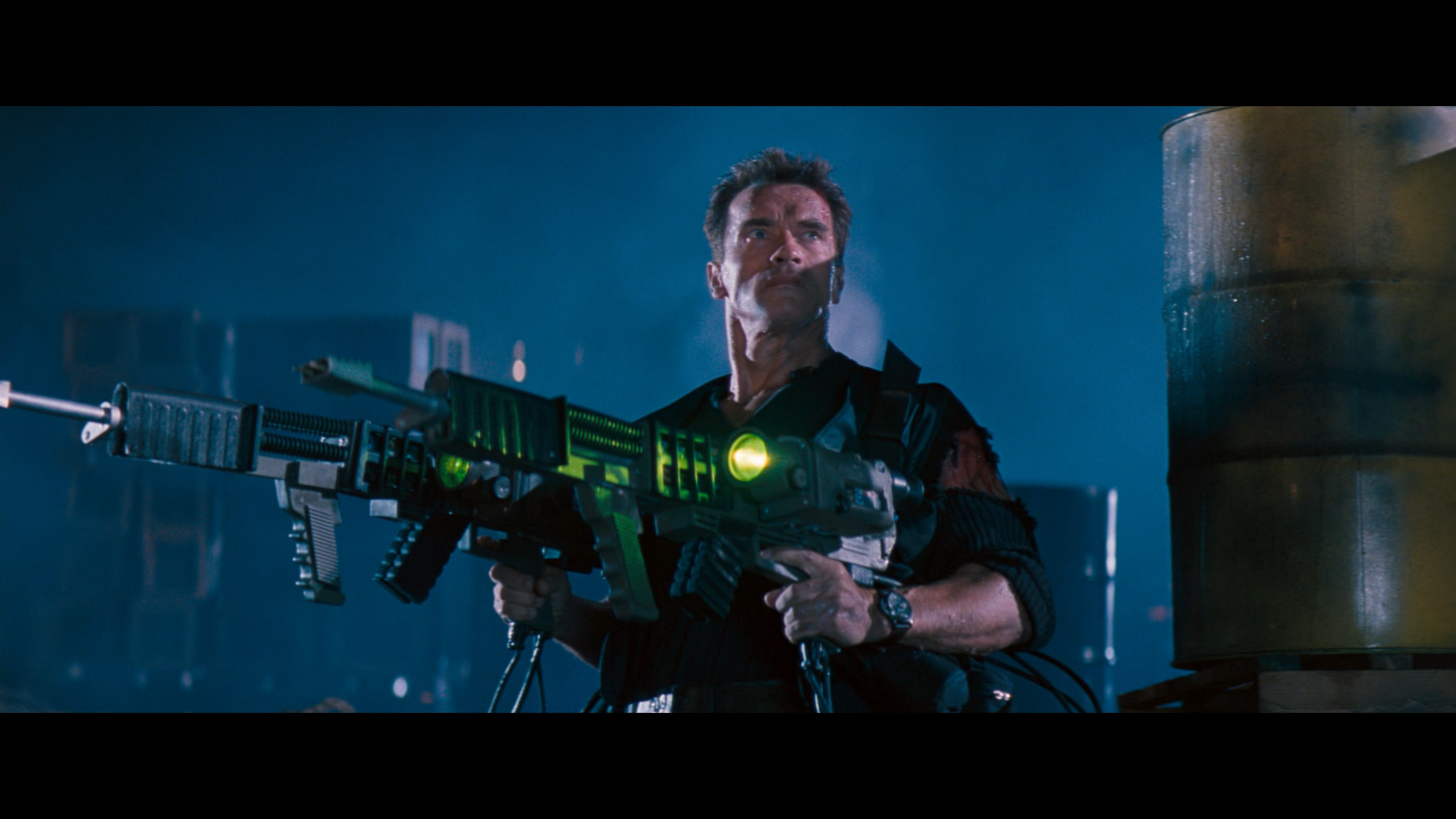
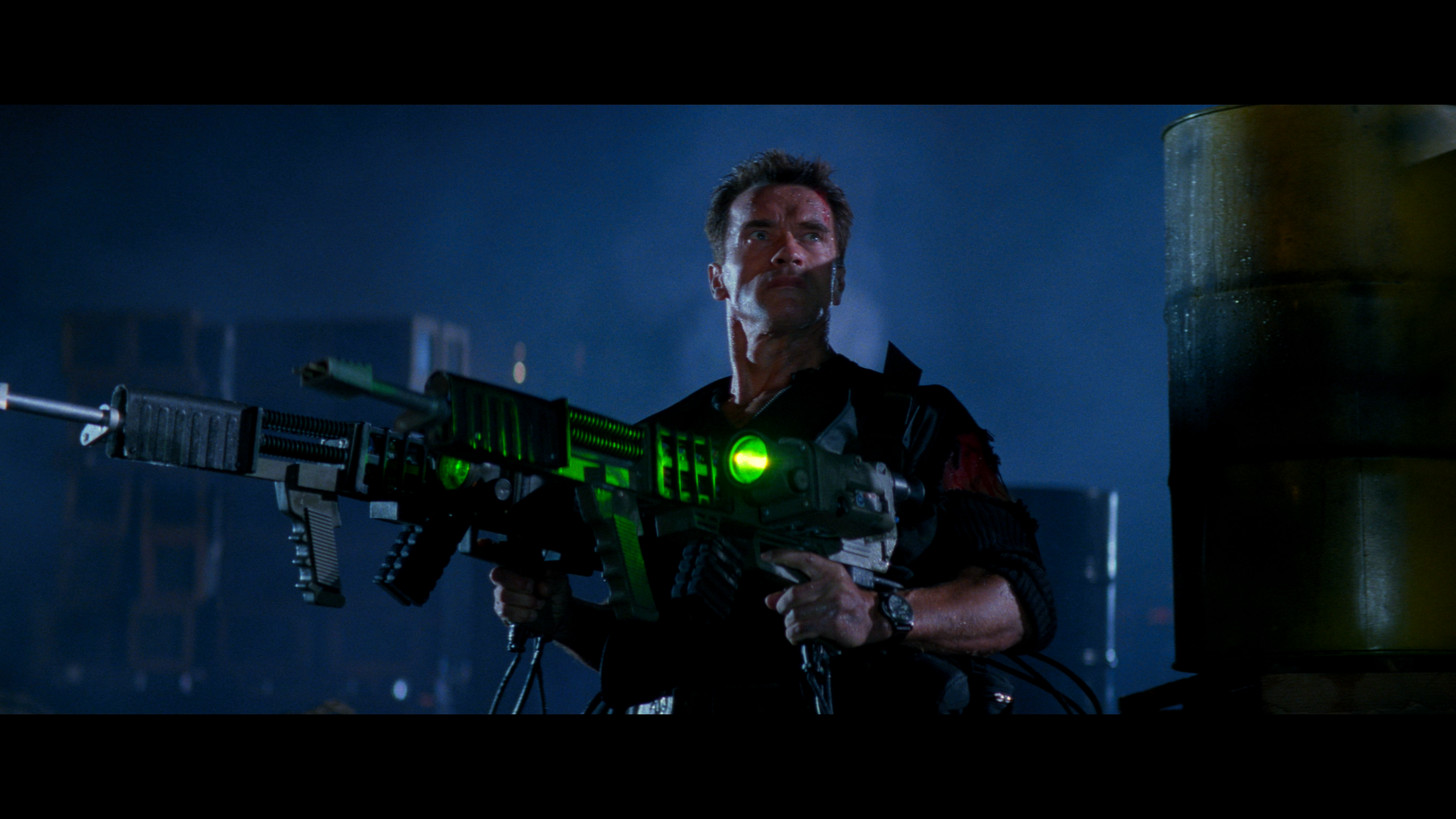
IMAGE – Resulting from a format-worthy restoration, this 4K disc relegates the old Blu-ray (limited by an old DVD master and a dusty VC-1 encoding) to the rank of dated curiosity. The definition leaped (softness has disappeared), blacks gain in density, and texture regains its photochemical anchor. Calibration Dolby Vision stabilizes contrasts, bright peaks and (warmer) colors, more nuanced and significantly more authentic, providing a faithful as well as vigorous restitution.

The ClearerThe Clearer

SON – The VO Atmos remastered unfolds a large scene, where the verticality dynamizes shootings and explosions while reinforcing the score of Alan Silvestri. The placements of objects refine trajectories and atmospheres, supported by a much more powerful LFE channel. The voices assert, the space expands and the whole breathes better than in the past. DTS-HD MA 5.1 (more robust than the Dolby TrueHD 5.1 of 2008) is there for purists, while VF lossy, anemic, undergoes caricatural dubbing.

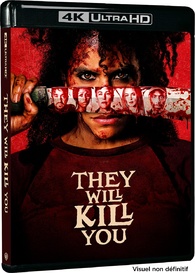
They Will Kill You

Source France | Publisher : Warner Bros. | Release date : 29 July 2026

Video format
2160p24 | Ratio 2.20
HDR10 | Dolby Vision | BT.2020
HEVC encoding | DI 4K

Soundtrack
English Dolby Atmos
Dolby Digital 5.1 English

Subtitles
English
French

They Will Kill You
Rated 4 out of 5

Artistic : 7 | Video : 8.5 | Audio : 9.5

WORK – This comico-horrific carbide defouler with raw energy, mixing fulgurances of action and a black humor that ricoches with a malice funeral. There is a bold staging, geysers of blood and characters with well tempered contours, but too conscious of his masters (Sam Raimi, Quentin Tarantino) and prisoner of his influences (Evil Dead, John Wick, Kill Bill, Old Boy, The Raid), the style exercise, however devilishly effective, is restrained in its momentum.

IMAGE – Captured in native 4K via the Arri Alexa 35, the image unfolds a remarkable nocturnal density, massive black sculpting, nervous contrast and precision gore in a box with ceremonial elegance. The deliberately discoloured shades between darkened reds and reduced saturation reinforce calculated claustrophobia. Despite erratic binary flow, the constant sharpness of the frame, coupled with beautiful directional light, « illumina » the corridors, stairwells and narrow rooms of Virgil.

SON – The VO Atmos strikes as a rite of invocation: immersive rain, lateral spouts that lagged the space, low telluric and demonic grunt torn from the underworlds chisel each corner of the mix. The voices, impeccably turned, pierce this tumult without ever wavering. Each impact seems to shake the interior piece, and the hip-hop punctuation of the BO adds to the ambient nervousness. VF DD 5.1, it's a soft slice... A plastic knife on a Sabbath.

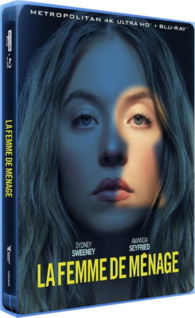
The Housekeeper

Source France | Publisher : Metropolitan Video | Release date : 24 April 2026

Video format
2160p24 | Ratio 2.39
HDR10 | Dolby Vision | BT.2020
HEVC encoding | DI 4K

Soundtrack
English Dolby Atmos
Dolby Atmos

Subtitles
French

The Housekeeper
Rated 4.5 out of 5

Artistic : 7.5 | Video : 10 | Audio : 9

WORK – Adapted from the eponymous bestseller, this psychological thriller orchestrates skillfully distilled twists, energized by a trio of actors with blurred sensuality. In this post #MeToo vein, the domestic sphere turns against women, revealing a felted violence that gnaws appearances. But Paul Feig, a simple applied illustrator, never prints true vision. Yet a creeping tension persists, nourishing a deliciously persistent malaise.

IMAGE – This UHD transfer seduces with a precision of every moment, revealing fabrics, wood and body with implacable sharpness. The depth of field, increased, opens the space, refines the separation of the planes and strengthens the coherence of the decorations, even in the dark, where the blacks remain stable. The DV enriches the palette of subtle nuances, including more expressive reds, while the brighter high lights and healthier carnation retain exemplary accuracy.

SON – The Dolby Atmos mix favours precise immersion rather than demonstrative deployment, articulating a parsimonic but useful verticality (steps perceptible on the floor), coherent lateral and rear spatialization, selective but firm basses and a score of Theodore Shapiro (The Shadow of Emily) perfectly ventilated. Directionality sharpened, clear dialogues, rise of controlled dynamics: the whole remains homogeneous. French dubbing a very prominent thing.

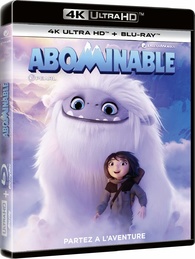
Abominable

Source France | Publisher : Universal Pictures | Release date : 04 March 2020

Video format
2160p24 | Ratio 1.85
HDR10 | HDR10+ | BT.2020
HEVC encoding | DI 2K

Soundtrack
English Dolby Atmos
English Dolby Digital Plus 7.1

Subtitles
English
French

Abominable
Rated 4 out of 5

Artistic : 8.5 | Video : 9 | Audio : 8.5

WORK – Driven by a resourceful heroine and a Yeti whose sweetness would melt the Himalayas, Abominable deploys an initiatory adventure where each landscape seems to thrill. The humour slides like a magic violin, tenderness invites without forcing, and poetry rises like a note of Yi. A moving ecological fable, this animation combines wonder and rhythm with a rare ease. A bright, sincere excursion that proves that the abominable can be admirable.

IMAGE – The Blu-ray is an absolute reference, so this 4K Ultra HD does not really offer only modest gains. Darker, images encoded in HDR10+ gain in precision and depth, with increased finesse on Everest's clothes and fur. Colorimetry breathes better (primary), contrasts become stronger, whites become pure and shadows are rich, while lighting appears brighter, from urban neons to bright snow.

SON – It is imperative to mount the volume in order to enjoy these two sound tracks, while keeping in mind that the dynamic and the bass, always on hold, will not find any transcended. But the mix remains balanced, with an enveloping sound field during action scenes and perfectly integrated music. Taking advantage of a more active surround scene and engaging verticality (flying gear, avalanche), the VO clearly takes over the VF.

🌎 Comes from elsewhere

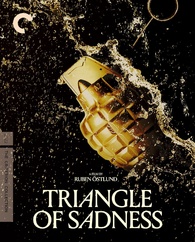
Without filter (2022)

Source United States | Publisher : Criterion | Release date : 25 April 2023

Video format
2160p24 | Ratio 2.38
CSD | BT2 BT2 NT2 NT2 NT2 NT2 NT2 NT2 NT2 NT2 NT2 NT2 NT2 NT2 NT2 NT2 NT2 NT2 NT2 NT2 NT2 NT2 NT2 NT2 NT2 NT2 NT2 NT2 NT2 NT2 NT2 NT2 NT2 NT2 NT2 NT2 NT2 NT2 NT2 NT2 NT2 NT2 NT2 NT2 NT2 NT2 NT2 NT2 NT2 NT2 NT2 NT2 NT2 NT2 NT2 NT2 NT2 NT2 NT2 NT2 NT2 NT2 NT2 NT2 NT2 NT2 NT2 NT2 NT2 NT2 NT2 NT2 NT2 NT2 NT2 NT2 NT2 NT2 NT2 NT2 NT2 NT2 NT2 NT2 NT2 NT2 NT2 NT2 NT2 NT2 NT2 NT2 NT2 NT2 NT2 NT2 NT2 NT2 NT2 NT2 NT2 NT2 NT2 NT2 NT2 NT2 NT2 NT2 NT2 NT2 NT2 NT2 NT2 NT2 NT2 NT2 NT2 NT2 NT2 NT2 NT2 NT2 NT2 NT2 NT2 NT2 NT2 NT2
HEVC encoding | DI 4K

Soundtrack
English DTS-HD MA 5.1

Subtitles
English

Without filter (2022)
Rated 4 out of 5

Artistic : 8 | Video : 9 | Audio : 9.5

WORK – Ruben Östlund's provocative work sails with a panache between social farce and existential shipwreck, blasting contemporary hierarchies and bling-bling society. His staging at the string orchestra a brilliantly choreographed chaos, evoking echo Her Majesty the Flies, The Great Food and Swept Away (1974). Satire in plain dark with sovereign black humour, it reduces beauty to a market value and exposes the drifts of a fractured world.

IMAGE – The 4K CSD presentation impresses: surgical precision, lush palette and stability of the exemplary frame. The diurnal sequences have a stunning sharpness while the night scenes, which are more delicate on the island, retain a solid legibility despite some limitations inherent in digital capture. The shadows remain generally controlled and the textures gain in relief. Note that the German edition offers HDR calibration, offering a more contrasting alternative.

SON – The 5.1 soundtrack deploys an amazing acoustic space, where every detail circulates with a "vibrant disorder" accuracy. The atmosphere mixes with the dialogues, always crystal clear, while the storms, whether they strike a yacht or a canoe, release a vast and immersive energy. The rear canals are always animated (board staff, island wildlife), without overload. A powerful yet nuanced mix, which reveals a dynamic and sound consistency of a rare hold.

Horritis

Source United Kingdom | Publisher : Vision Video | Release date : 1 June 2026

Video format
2160p24 | Ratio 1.85
HDR10 | Dolby Vision | BT.2020
HEVC encoding | DI 4K

Soundtrack
English DTS-HD MA 5.1
English LPCM 2.0

Subtitles
English

Horritis
Rated 4 out of 5

Artistic : 7.5 | Video : 8 | Audio : 9

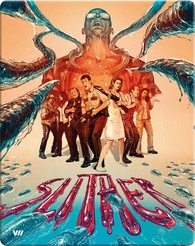
WORK – In this tastyly peaty horrific comedy, the genre snorted with an energy Troma, parasitizing every splatter of guilty laughter. The grotesque becomes a joyfully corrosive art, where tentacles, sarcasms and organic overflows overlap to ridicule normality. Between dark humour, absurd mutations and sticky chaos, the creepy malice shapes a rejoicing pop monstrosity too happy to infect good taste. Disgusting delight!

IMAGE – Based on a new 35mm 4K scan validated by James Gunn and his Ops leader, the UHD master offers solid compression and a controlled grain (encoding is signed) FiM). The colorimetry, intentionally darkened, displays less vivid primary and a pinched day contrast, while the blacks increase in density. Intermediate element obliges, large plans are less defined than close-ups, but details remain more accurate and stable than in HD.

SON – The track DTS-HD MA 5.1 orchestrates a lively and perfectly structured sound scene, where clear dialogues, directional effects and organic atmospheres interlacing with brilliant generosity. Creature sequences benefit from a formidable spatialization, while the severe reinforces each impact with confidence. The balance between voice, music and noise remains constant. The mix 2.0, close in stamp, appears as a stereo fold, deprived of a rear dimension.

Street Trash (1987)

Source United Kingdom | Publisher : Lightbulb Film Distribution | Release date : 27 April 2026

Video format
2160p24 | Ratio 1.85
HDR10 | BT.2020
HEVC encoding | DI 4K

Soundtrack
English DTS-HD MA 5.1
English LPCM 2.0

Subtitles
English

Street Trash (1987)
Rated 3 of 5

Artistic : 7 | Video : 8 | Audio : 4

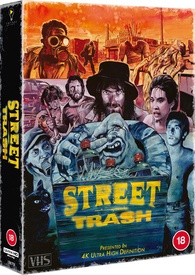
WORK – This series B crado erects vulgarity as an anarchic manifesto, splashing the screen with filthy politically incorrect poetry. Under her punk oripeaux, she twists misery into an opera of waste, where each liquefied body spits out our hypocrisy, a reflection of an America defiled by Viet Nam. We taste a toxic jubilation, a carnival that dynamizes all propriety. An infamous, tenacious visual trip that crumbles like an impossible spot to wash.

IMAGE – Degorged by a 4K restoration from the 35 mm negative, the UHD DV transfer reveals a more luminous and incisive image, while preserving its iconic craze. The colours burst: acid blue, corrosive yellow and other cartoonesque splashes. The details are plentiful, whether it's in the case, on the streets or on the bluffed faces. A few white dots remain, as well as a short simmering at the morgue, but nothing negates the vigour of this superb presentation.

SON – Runway 5.1 spreads a large but artificial spatialization, where urban rumbling, night insects and flashback deflagrations in Vietnam lack real depth. The voices, constantly stifled, do not gain anything against track 2.0, very confined and not engaging. Directionality remains functional, lows strictly utility. Synthetic sheets structure space with controlled density, the only notable success of a limited set.

The Day of the Living Dead

Source United States | Publisher : Shout Factory | Release date : 16 June 2026

Video format
2160p24 | Ratio 1.85
HDR10 | Dolby Vision | BT.2020
HEVC encoding | DI 4K

Soundtrack
English Dolby Atmos
English DTS-HD MA 5.1
English DTS-HD MA 2.0
English DTS-HD MA 2.0 (LaserDisc)

Subtitles
English

The Day of the Living Dead
Rated 3.5 out of 5

Artistic : 7.5 | Video : 8 | Audio : 7

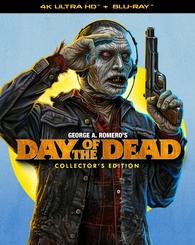
WORK – This zombie flick claustrophobic dissects survival as a moral autopsy, revealing that the living sometimes rot faster than the corpses. Under its besieged laboratory airs, this third, more bitter and theoretical, exhibits hierarchical interactions where each order sounds like an anticipated grater. Humans become a case of study, the dead an indicator of evolution, and military satire objectivizes collapse. A terminal parable about the necrosis of humanity.

IMAGE – Drawn from a surprisingly well-preserved intermediary, the UHD transfer provides an increased depth of underground decors and a much higher readability in the darkest areas. The sharp contrast, the dense blacks and the more coherent Dolby Vision palette highlight the ubiquitous craze of the bunker. Despite the inherent limitations of the original material, details of make-up, textures and surfaces are becoming more refined, reinforcing the roughness signed by Michael Gornick.

The Day of the Living DeadThe Day of the Living Dead

SON – The audio section multiplies the formats, but only the old LaserDisc mix reflects the original source (the other track 2.0 is just a downmix of 5.1.), despite its compressed rendering. However, atmos, put forward, suffers from a questionable balance, with too discreet dialogues and a timid superior scene. The DTS-HD 5.1 track remains the most coherent, providing accurate dynamics, credible spatialization and surprising clarity for such a confined environment.

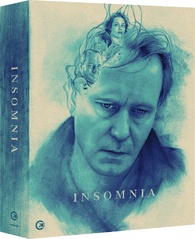
Insomnia (1997)

Source United Kingdom | Publisher : Second Sight | Release date : 25 May 2026

Video format
2160p24 | Ratio 1.85
HDR10 | Dolby Vision | BT.2020
HEVC encoding | DI 4K

Soundtrack
Norwegian DTS-HD MA 2.0

Subtitles
English

Insomnia (1997)
Rated 4 out of 5

Artistic : 8 | Video : 8.5 | Audio : 8

WORK – The Scandinavian polar here has a savoring ambiguity, where the investigation is less important than the moral vacillement of the policeman incarnated by the worrying Stellan Skarsgård, eaten by eternal light and his own shadow zones. A tension that prolongs a tragic irony, almost one « game of dupes in broad daylight »nourishing a fertile malaise. The result is a deliberately troubled intrigue, cultivating a psychological vertigo that the coldness of the staging sharpens rigorously.

Later, Christopher Nolan will propose a Hollywood remake, smoother, less twisted. By transposing the story to Nightmute, Alaska, and by coating a more classic psychological varnish, which even makes the murderer (Robin Williams) more readable, he mitigates moral aperities, preferring the diffuse guilt of an exhausted hero (Al Pacino) to the disturbing opacity of his Norwegian model.

IMAGE – Powered by the 4K scan of the 35 mm negative designed for Criterion in 2014, this new master adds DV calibration approved by its director and encoding FiM, optimizing the stability of a marked grain and the management of high lights. With unprecedented precision, it gains in micro-details and gradient accuracy. The dark openings, overexposed exteriors, high-cut interiors and overwhelming mist benefit from increased homogeneity.

SON – The soundtrack, resulting from a 24-bit remasterization of the original surround 2.0 track from a 35 mm LTRT magnetic element, is presented in DTS-HD MA. The rendering favors a very clean articulation of dialogues, perfectly centered and remarkably stable, while the texture of the signal remains faithful to the mixing of the period. Without distortion or digital artifacts, the dynamics are controlled, the atmospheres discreetly routed back and the music integrated with accuracy.

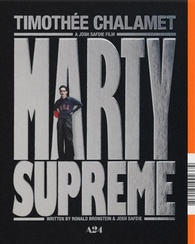
Marty Supreme

Source United States | Publisher : A24 | Release date 31 March 2026

Video format
2160p24 | Ratio 2.39
HDR10 | Dolby Vision | BT.2020
HEVC encoding | DI 4K

Soundtrack
English Dolby Atmos

Subtitles
English

Marty Supreme
Rated 5 out of 5

Artistic : 9.5 | Video : 10 | Audio : 10

WORK – Fulging like a smash in full line, this false biopic that draws from an authentic existence turns a few square meters into a mythical arena: virtuoso staging worthy of Scorsese, the flow of fantastic figures, the accumulation of cabossed trajectories, chaos of ego and dreams fusant out of frame. Chalamet finds there a pivotal role reminiscent of the turning point experienced by De Niro with Raging Bull, and the "rise and fall" that plays there comes up as devastating topspin.

IMAGE – This UHD transfer highlights a restitution of remarkable precision, merging film (Super35 and Super16) and digital (4.6K) in a coherent rendering. The grain, fine and controlled, reinforces authenticity while the management of lighting sublimates the dark scenes. The textures gain in relief, the faces in nuances, and the voluntarily attenuated palette benefits from a subtle Dolby Vision. A rigorous calibration work for a deeply cinematographic photo.

SON – This Atmos mix builds a wide and playful sound space, where each tournament benefits from a nervous acoustic architecture, carried by crowd cheers. The dialogues remain clear despite the tumult of the room (the noises of background flourish), while a joyfully anachronistic and generous playlist in bass breathes an irresistible breath of 80s to the adventures. Accuracy of movements, fervor of dynamics, respiration of atmospheres: a sovereign strike.

Marty Supreme
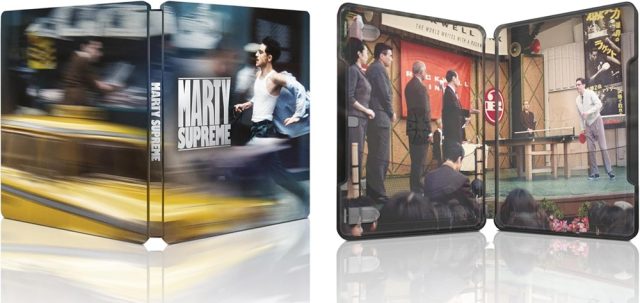
Published June 16 at Metropolitan Video, the French steelbook is positioned as a solid equivalent of the US edition. However, there are two Dolby Atmos tracks, both in VO and VF, with a significantly smaller volume and surprisingly smaller voices. On the other hand, the image does not lend itself to any criticism, especially since the master is localized: text inserts and inlaid subtitles appear in French.

Back to Silent Hill

Source Australia | Publisher : Umbrella Entertainment | Release date : 03 June 2026

Video format
2160p24 | Ratio 2.39
HDR10 | Dolby Vision | BT.2020
HEVC encoding | DI 4K

Soundtrack
English DTS-HD MA 5.1
English DTS-HD MA 2.0

Subtitles
English

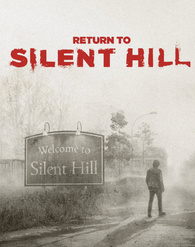
Back to Silent Hill
Rated 3.5 out of 5

Artistic : 6 | Video : 9.5 | Audio : 9.5

WORK – Adapt Silent Hill 2 in cinema is like facing a work based on the indescribable, where the non-said shapes fear. Back to Silent Hill respect this material but reduce the depth, too keen to explain what the game suggested. The fragmented narrative breaks the immersion, while the staging, applied but timorous, never dares the psychological abyss. If aesthetics are faithful, emotion remains on the surface, delivering a sincere adaptation but deprived of its tragic darkness.

IMAGE – A UHD DV transfer that imposes by its density: wet surfaces, rodent textures, organic matter, all gain in presence. Deep blacks sculpt silhouettes without stifling details. The creatures display a disturbing, almost palpable model. The colours, deliberately modified according to the strata of the story, remain impeccably held. A visual gravity reinforced by solid encoding, where any compressive residue seems to be swallowed by the mist.

SON – Capable of alternating tension and silence with rigorous precision, mix 5.1* Deploys an acoustic scene of certain magnitude, where sirens, rumblings and poppings orchestrate surprising transitions. Creatures travel in space with disturbing mobility (cf. Creepers), while voices remain perfectly legible, even at the heart of the chaotic atmospheres of the Otherworld. The rain envelopes and the LFE channel, brutal, injects deaf energy.

* The US disc is based on an alternative mix not validated by Christophe Gans, developed by producers without his knowledge before being formally discarded. The collector FR edition, expected on 16 October at Metropolitan Video, will propose two tracks Dolby Atmos in both original and French versions, more in line with artistic intentions and sound exploitation in the room.

3 from Hell

Source United States | Publisher : Lionsgate Films | Release date : 15 October 2019

Video format
2160p24 | Ratio 1.85
HDR10 | BT.2020
HEVC encoding | DI 2K

Soundtrack
English Dolby TrueHD 7.1

Subtitles
English

3 from Hell
Rated 3.5 out of 5

Artistic : 6.5 | Video : 8.5 | Audio : 9.5

WORK – After The House of the Thousand Dead and The Devil, this third part resurrects his gang of degenerate naughty, still a group of psychopaths on the run. Rob Zombie retains his macabre signature and staging processes, but tempers the gore, less frontal even if the violence remains. Lighter, this carefree B-series traces a well-barred forward escape, where raw energy and bad spirit remain intact despite a slightly more friendly approach.

IMAGE – Heavyly retouched, the craspecs images of David Daniels (pressed digital grain, coloring oscillating between desaturation and extreme saturation) find in this UHD HDR10 transfer the ideal companion to handle their visual differences. The details gain in finesse, the colorimetry asserts, the contrasts explode (the basements of the prison can testify to it) and the light sources shine with a brighter brightness, from the prison sun to the windows of the Day of the Dead.

SON – Explosive and barred with effects, the 7.1 mix deploys a continuous activity: from the first shots, the impacts fuse from the surrounding canals, nourishing a soundscape in perpetual motion. The external atmospheres are swirling, while the enclosed spaces fully benefit from a discreet placement of effects (see prison reverberations). The music, omnipresent, overflows through the sides and back, while the dialogues remain clear despite the general frenzy.

Rebel (2012)

Source United States | Publisher : Disney | Release date : 10 September 2019

Video format
2160p24 | Ratio 2.39
HDR10 | BT.2020
HEVC encoding | DI 2K

Soundtrack
English Dolby Atmos
English (Quebec) Dolby Digital Plus 7.1

Subtitles
English
French

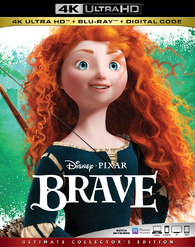
Rebel (2012)
Rated 4 out of 5

Artistic : 8 | Video : 9 | Audio : 9

WORK – A beautiful heroine with the long red mane, proud and free, a vibrant mother-daughter relationship, a dense Scottish folklore, a few bursts of humor, a touch of magic and the momentum of an adventure carried by sumptuous moors compose this initiatory story, splendid but closer to animated tales Disney than fulgurants of Pixar. The narrative ambition is wiser, the emotion sometimes shy. Yet, Rebel remains an animated film of real beauty.

IMAGE – The precision of the pitch, the abundance of details, the magical brilliance of the colors, the strength of the contrasts and the density of the blacks subjugate, and if the HD already shines, the WCG / HDR duo exults here. Brighter light, more ardent palette, clean white, realistic black (80% of the film takes place in the dark), intensified light sources. The definition progresses smoothly, but the affine resolution sets, faces and fabrics, providing a more frank sharpness to materials and volumes.

SON – It is necessary to increase the volume, of course, but these tracks are overflowing with momentum: ambiance, vibrating space, details of spatialization, clear voices, robust bass. The VO Dolby Atmos deploys a fair aerial layer (rain, arrows) and gains a striking magnitude. Bear rusts, steel shocks, leaf rusts make up an enveloping, living soundscape where each source breathes. An immersive, fiery restitution that magnifies adventure.

VFW

Source United States | Publisher : RLJ Entertainment | Release date : 31 March 2020

Video format
2160p24 | Ratio 2.39
CSD | BT2 BT2 NT2 NT2 NT2 NT2 NT2 NT2 NT2 NT2 NT2 NT2 NT2 NT2 NT2 NT2 NT2 NT2 NT2 NT2 NT2 NT2 NT2 NT2 NT2 NT2 NT2 NT2 NT2 NT2 NT2 NT2 NT2 NT2 NT2 NT2 NT2 NT2 NT2 NT2 NT2 NT2 NT2 NT2 NT2 NT2 NT2 NT2 NT2 NT2 NT2 NT2 NT2 NT2 NT2 NT2 NT2 NT2 NT2 NT2 NT2 NT2 NT2 NT2 NT2 NT2 NT2 NT2 NT2 NT2 NT2 NT2 NT2 NT2 NT2 NT2 NT2 NT2 NT2 NT2 NT2 NT2 NT2 NT2 NT2 NT2 NT2 NT2 NT2 NT2 NT2 NT2 NT2 NT2 NT2 NT2 NT2 NT2 NT2 NT2 NT2 NT2 NT2 NT2 NT2 NT2 NT2 NT2 NT2 NT2 NT2 NT2 NT2 NT2 NT2 NT2 NT2 NT2 NT2 NT2 NT2 NT2 NT2 NT2 NT2 NT2 NT2 NT2
HEVC encoding | DI 4K

Soundtrack
English DTS-HD MA 5.1

Subtitles
English
French

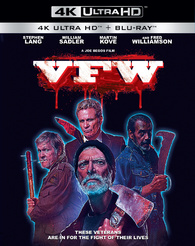
VFW
Rated 3.5 out of 5

Artistic : 7 | Video : 7 | Audio : 8.5

WORK – Between Head Office 13 and Hobo with a Shotgun, this series B in camera revisiting John Carpenter's 80s cinema (New York 1997) opposes veterans and mutant punks in a besieged bar. Visual references and narratives in gust, old breakers delighting in swinging, scaly atmosphere, very brutal action, blood sheaves in bonus. Without aiming at the great cinema, ambition that he never had anyway, VFW remains a furiously fun entertainment.

IMAGE – Captured in 16 mm, the ultra-granulous images express the B-series of the VHS era. Dive into the dark, precise textures when the light is deigning to strike, splendid shadows, flickering neon, overwhelming red, deep blue: the photo keeps its character thanks to a solid encoding relegating artifacts and tingling Blu‐ray. Spectacular in its retro fidelity, this transfer UHD CSD remains however « limited » by artistic choice. Not beautiful, but well done.

SON – Despite the low-exploited surrounds without explosive reverberations, this mix delivers a more immediately impressive experience thanks to Steve Moore's pulsed synthetic score, a real driving force that irrigates the rear space. The action scenes, saturated with shots and bloody spouts, strike with a massive impact; strong dynamics, clear dialogues, discrete channels and LFE regularly solicited complement an aggressive soundtrack.

Dust Bunny

Source United States | Publisher : Lionsgate Films | Release date 28 April 2026

Video format
2160p24 | Ratio 2.98
HDR10 | Dolby Vision | BT.2020
HEVC encoding | DI 4K

Soundtrack
English Dolby Atmos

Subtitles
English

Dust Bunny
Rated 3.5 out of 5

Artistic : 6.5 | Video : 8.5 | Audio : 9

WORK – Under his captivating fantasy, this funny rabbit leaps between thrills and tenderness, not without the elegance of a hired killer who would look for his words. The work then advances like a deviant fable, where each burst seems to hesitate between caressing and biting. Actors have fun, aesthetics are lurked in a wonderful twisted, and the imagination of a memberlificote, but the stuffing takes its feet under the bed as soon as the absurd s'enrayes. You're still a pretty tedious hybrid.

IMAGE – Presented at the ultra wide ratio 2.98, the photo imposes a singular aesthetic where darkness dominates without ever stifling the precision of details, here reinforced. The shades, sometimes saturated, sometimes veiled, make up an almost magical universe, supported by an effective DV. Despite a few CGIs being lighter in their rendering, the visual proposal, deliberately stylized, remains as atypical as it is mastered, fully exploiting the expanded WCG space and the increased dynamics of contrasts.

SON – Combining massive impacts, continuous rusting and more sober breathing, this Dolby Atmos track stands out for its unpredictability. Dialogues, always sharp, are inserted into a space where rumbling, stealthy movements and pyrotechnic chaos shape a moving immersion. The LFE occurs in waves, sometimes frontal, sometimes more diffuse, while the back fully exploits the cracks and overflows of violence that accompany the creature and its eruptions.

🔍 Close frame on

Joan of Arc (1999), the threshold of another Besson?

Jeanne d'Arc (1999)

Janne d'Arc For many, Luc Besson's last great gesture of cinema remains: a work in which his visual grammar, his taste for brutal lyricism and his obsession with heroines crossed by a superior force reach a dacmé form. The statement nevertheless deserves to be questioned precisely, as it engages as much the aesthetic evolution of the filmmaker as the singular place of this film on its journey.

The staging here reaches a form of apotheosis. The broad and choreographic movements of the apparatus give the battles an operatic dimension. Thierry Arbogast's photograph, carved in a violent dark light, gives each plane a density, let's say, frankly theological. Nothing is decorative: everything is part of the construction of a Jeanne torn between faith, guilt and political manipulation. Besson had never filmed a heroine with such gravity (even not Nikita). With Milla Jovovich, he found a total incarnation: a body worked by mystic fever, a face crossed by fear, rage, certainty and doubt. It is the absolute archetype of the Bessonian female figure, but rid of the irony pop of the Fifth element. Everything here is burning, everything is tearing.

Narratively, Joan of Arc is perhaps the last film where Luc Besson dares such a large dramaturgy. He explores guilt as a secret motor, political manipulation as a mechanic, and spirituality as an intimate fracture rather than a dogma. The film embraces a territory that it will no longer find: that of a serious, tense, even religious narrative, where directing and writing advance in concert. His later works, by Lucy to Anna passing through Valerian and the City of the Thousand Planets, will be more conceptual, more abstract, sometimes brilliant (DogmanBut never so incarnate.

Whether Joan of ArThe film coincides with the end of its long collaboration with Gaumont. After Joan of Arc, Besson leaves the house that had accompanied all his rise in power, Subway to Fifth element of course going through The Great Blue and Leon. This departure is not insignificant: it marks an industrial and aesthetic shift. Released from Gaumont, Luc Besson turns to a more independent, more entrepreneurial structure that will give birth to EuropaCorp. This change profoundly alters his relationship to cinema: fewer monumental frescoes, more calibrated productions, more narratives designed for export, more reliance on digital.

Thus, Joan of Arc appears as a movie-harrow. This is the last time that Besson filmed the material, the mud, the fervor, before engaging in a cinema where the image becomes more abstract, more synthetic, sometimes colder. It is also the last time it has benefited from an industrial ecosystem capable of supporting such a disproportionate ambition. The film is thus both a summit and a border: the incandescence point of one style, and the threshold of another.

To say that Joan of Arc is his last great film has nothing to do with a nostalgic reflex: it is to note that never again the French mogul, a fascinating anomaly of the hexagonal landscape, has found such cohesion between epic breath, dramatic incarnation and narrative ambition. It's a movie-summit, a film-bass, that ends the era Gaumont and opens a more uncertain, more fragmented era in which its cinema will no longer regain this organic power. Its recent Dracula, an attempt to return to the foreground, has moreover offered the most brilliant demonstration as it struggles to return to this lost magnitude. It remains to be seen whether it will be the same for The Last Man, post-apocalyptic SF incursion whose atypical casting (Snoop Dogg) intrigues as much as it worries...

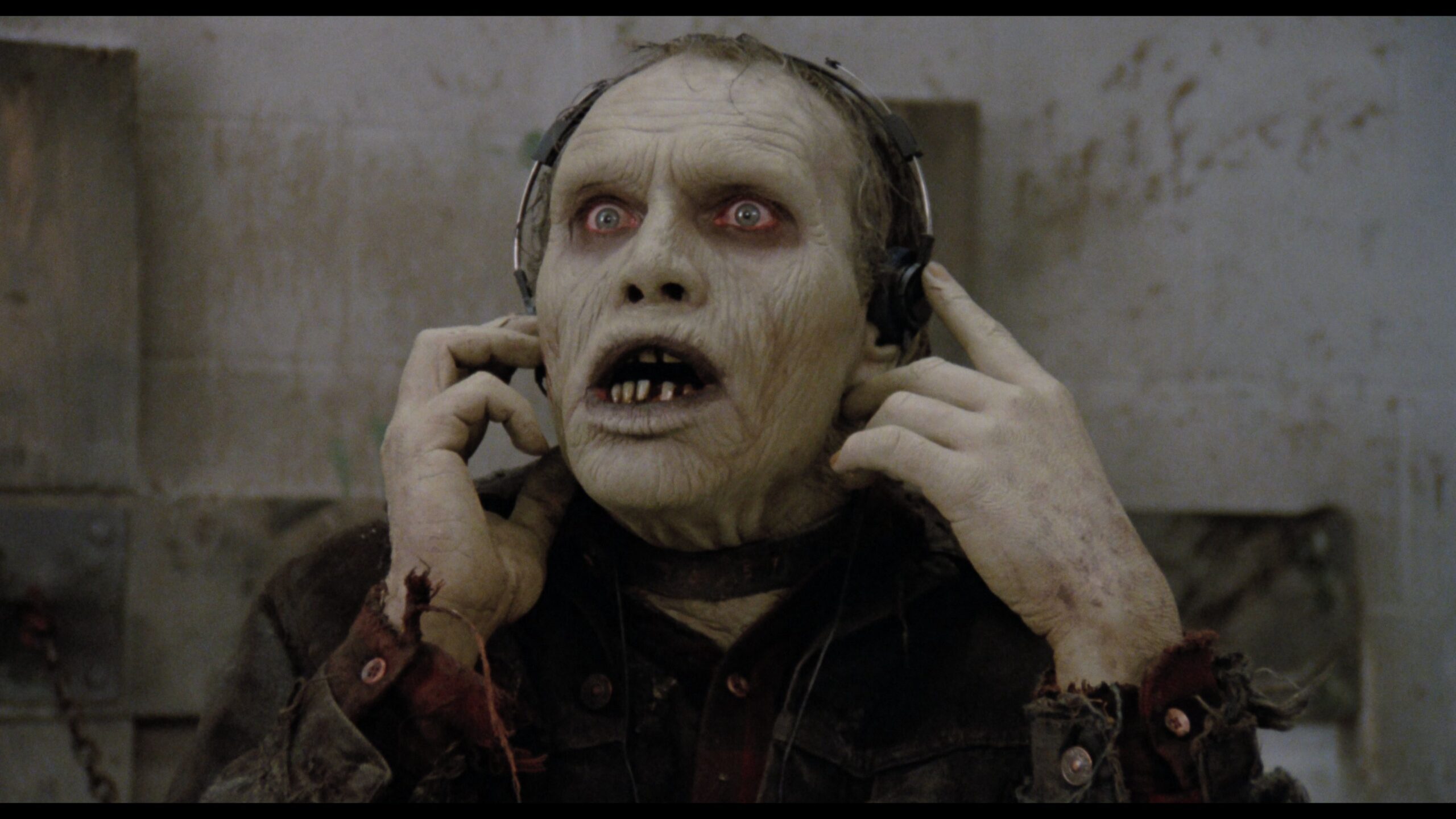
The Day of the Dead, the knot of the saga

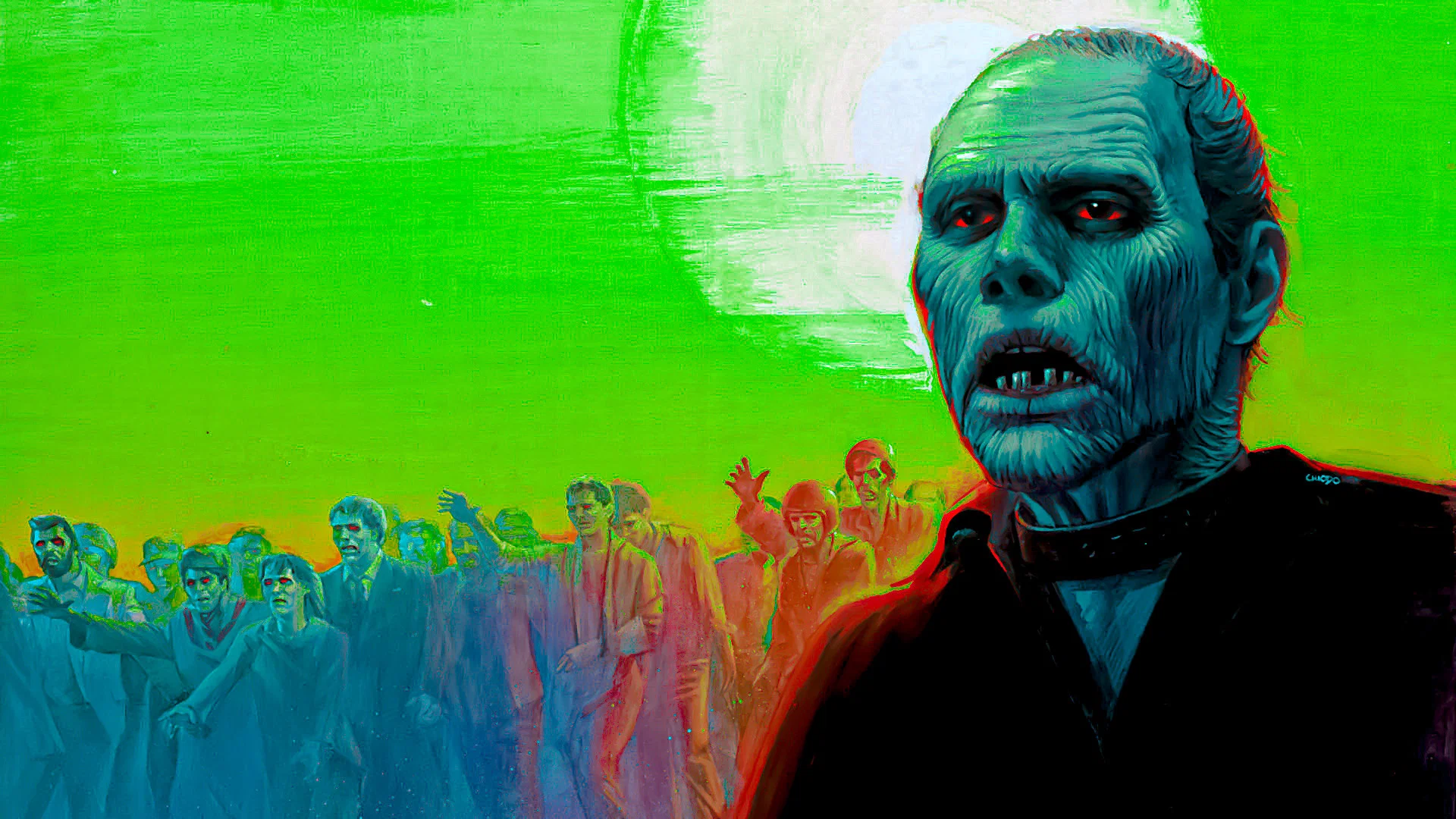
The Day of the Living Dead

Within the founding trilogy of the Saga zombies of Romero, The Day of the Dead It occupies a singular place: not a spectacular summit, but a tipping point, a place where the Romarian universe turns over itself to examine what, in humanity, collapses before even the dead mix. Where Night captured the brute stupor and Zombie revealed the consumerism that survived the disaster, Day moves the gaze towards structures that still claim to organize the world. The film is no longer interested in society as a whole, but in its last organs, those institutions that continue to function by inertia, like brainless members. The military bunker is not a mere setting: it is a sick organism, a space where authority is emptied of its meaning, where science is devious, where human speech is reduced to tensions, stress, survival strategies that are no longer collective.

In this closed session, George A. Romero no longer seeks metaphor: he performs internal examination. The military, unable to think otherwise than in terms of domination, embodies an authority that can no longer command only by threat. Scientists continue their protocols as if rationality could still save something, but their obstinacy reveals above all the fragility of thought when it cuts off from reality. As for civilians, they no longer carry any promises: they are only witnesses to a world that no longer has a story to offer. The film thus becomes a meditation on the disintegration of frameworks, on the way in which a society, deprived of its symbolic landmarks, retreats to automatisms that condemn it.

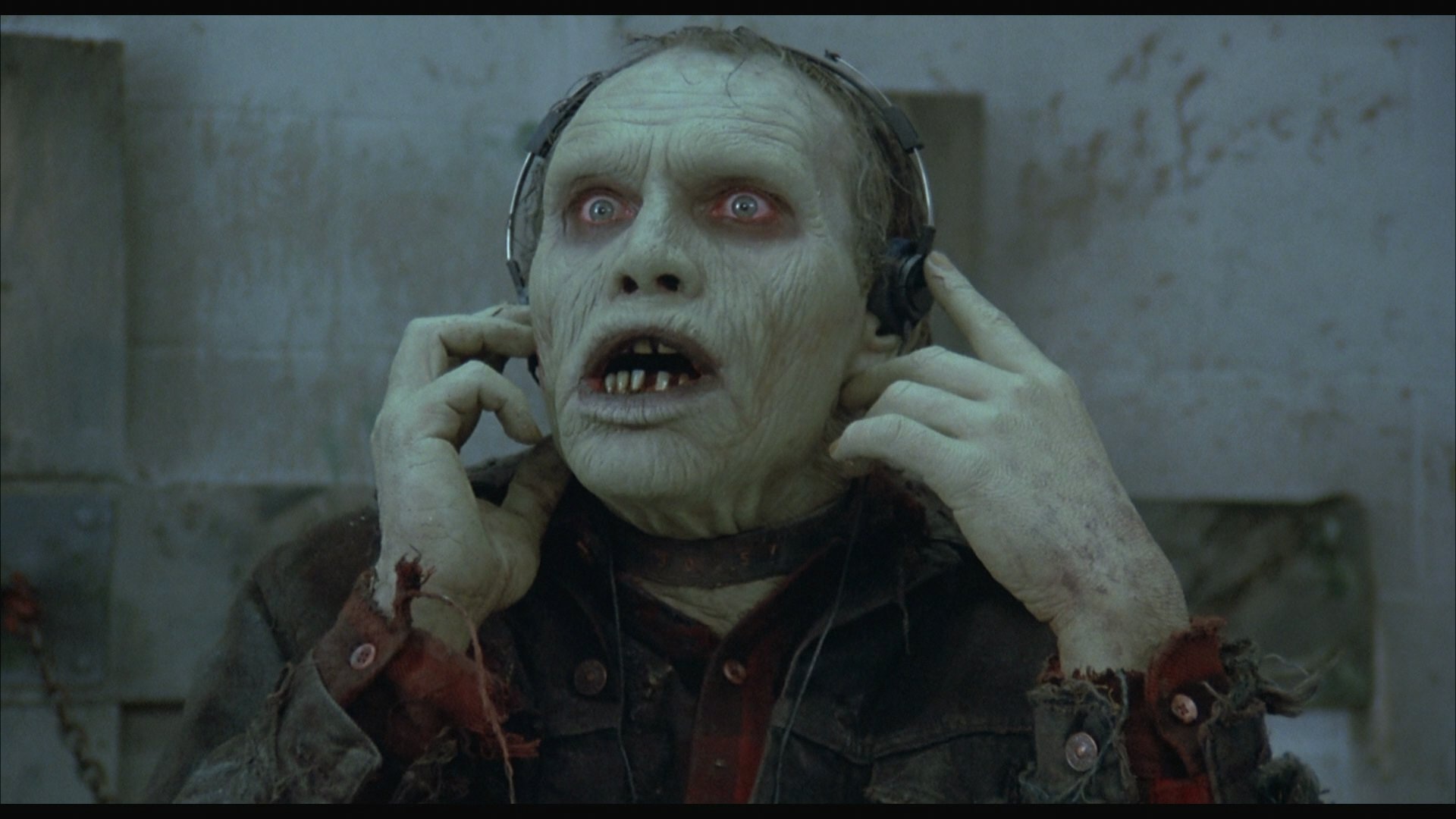
C’est dans ce contexte que surgit Bub, figure inattendue, presque incongrue, mais décisive. Le zombie, jusque‑là masse indistincte, acquiert une singularité. Il n’est plus seulement le produit d’un effondrement : il devient la preuve que quelque chose continue de se transformer, même dans la mort. Sa capacité à reconnaître, à imiter, à répondre, ne relève pas d’un simple artifice narratif ; elle introduit une idée vertigineuse, celle d’une évolution dissociée de l’humanité. Les vivants, enfermés dans leurs querelles, stagnent ou régressent ; les morts, eux, avancent. Bub n’est pas un espoir, mais un signe : celui que l’avenir pourrait se construire sans nous, ou contre nous. Romero ne glorifie pas le zombie ; il montre seulement que la vie, même dévoyée, trouve toujours un chemin, tandis que l’humanité, elle, s’enferme dans ses impasses.

Cette dynamique s’inscrit dans une lecture politique plus large. Tourné sous l’ère Reagan, le film porte la marque d’une défiance profonde envers les institutions américaines, leur militarisation, leur incapacité à penser la crise autrement que par la force ou la technocratie. Là où Zombie dénonçait la logique consumériste, Day révèle la pulsion autoritaire qui surgit lorsque les structures vacillent. Le film ne montre pas la fin du monde, mais la fin d’un certain rapport au pouvoir, celui qui croyait encore pouvoir organiser le chaos par la discipline ou la méthode. Ici, l’autorité n’est plus qu’un simulacre, la science un rituel, la société un souvenir.

Thus, The Day of the Dead ne clôt pas la trilogie : il en constitue le point de tension maximal, l’endroit où toutes les lignes se croisent avant de se rompre. Il ne cherche pas à effrayer, mais à dévoiler. Il ne raconte pas la chute de l’humanité, mais la chute de ce qui prétendait la structurer. Et dans cette décomposition, George A. Romero fait du zombie non plus un monstre, mais un révélateur, un témoin muet de notre incapacité à nous réinventer. Le film, amer et lucide, affirme que la véritable apocalypse n’est pas l’arrivée des morts, mais l’épuisement des formes humaines de pensée, de pouvoir et de communauté. La nuit, tout a vacillé, à l’aube, tout s’est répété, et ce jour, tout s’effondre… et les films qui suivront (Le Territoire, Chroniques, Le Vestige) ne seront que des pas dans les ruines de cette chute.

The Bride!, l’élan brisé d’une créature inachevée

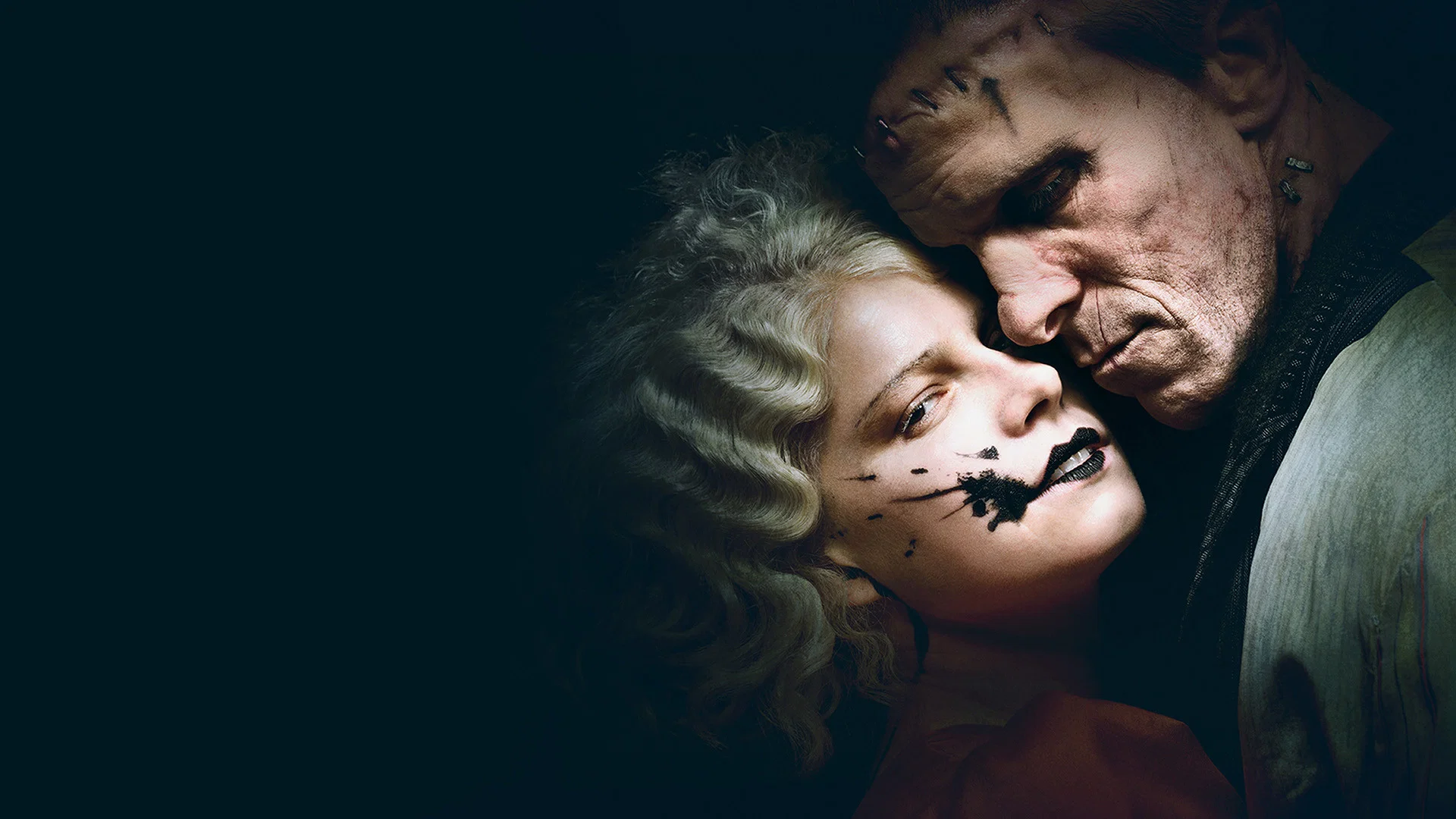
The Bride!

The Bride! a été rejeté lors de sa sortie en salles parce qu’il s’est présenté comme un film en décalage avec son époque, un objet trop singulier pour un marché qui, hélas, exige des formes plus immédiatement identifiables. Le public contemporain, saturé de récits balisés, attendait une œuvre qui se laisse saisir dès les premières images ; or The Bride! avance dans une zone trouble, entre conte gothique, drame identitaire et geste romantique déviant. Cette hybridité, qui aurait pu constituer sa force, a paradoxalement brouillé sa réception. Le spectateur ne savait pas exactement ce qu’il allait voir, et le marketing, incapable de trancher, a vendu une promesse qui ne correspondait jamais tout à fait à l’objet réel. Dès lors, la rencontre entre l’œuvre et son public s’est faite sous de mauvais auspices : trop étrange pour les amateurs de sensations fortes, trop démonstratif pour les cinéphiles, trop indiscipliné pour les spectateurs cherchant un récit classique.

À cela s’est ajoutée une campagne promotionnelle en porte-à-faux, qui a misé sur l’aura du mythe et sur une iconographie spectaculaire, alors que le film, lui, privilégie la rugosité et l’ambiguïté. La bande-annonce promettait un spectacle plus massif qu’il ne l’est réellement, et la communication jouait la carte du mystère à un moment où le public réclame au contraire de la lisibilité. Ce décalage entre l’image vendue et l’expérience vécue a créé une forme de frustration immédiate : le film n’a pas été rejeté pour ce qu’il était, mais pour ce qu’on avait laissé croire qu’il serait. Le malentendu a précédé la projection, et il a contaminé la réception.

Mais ce trouble ne vient pas seulement de la manière dont le film a été présenté : il vient aussi de la manière dont il a été façonné. The Bride! porte en lui les marques d’une production heurtée, dont les secousses se ressentent jusque dans sa structure. Le report de sa sortie, officiellement stratégique mais officieusement lié à une post‑production compliquée, laisse deviner un film qui peine à trouver sa forme définitive. Les rumeurs de désaccords créatifs, de montage repris à plusieurs mains, de scènes coupées ou réagencées dans l’urgence, ne relèvent pas du simple bruit médiatique : elles affleurent à l’écran. Certaines transitions paraissent abruptes, certains motifs semblent amorcés puis abandonnés, comme si l’ensemble avait été recousu à la hâte, à la manière de la créature qu’il met en scène. Cette impression de fragmentation, loin d’être un geste esthétique pleinement assumé, trahit la pression d’un budget élevé et la volonté du studio de rendre l’œuvre plus “vendable”, quitte à en altérer la cohérence.

Sur le plan esthétique, The Bride! prend pourtant un risque que peu d’œuvres grand public osent encore : celui de la dissonance. Là où l’industrie privilégie des images lisses, calibrées, immédiatement digestes, le film propose des éclairages tranchés, une colorimétrie instable, des noirs compacts, un montage qui refuse la fluidité confortable. La photographie ne cherche pas à séduire, mais à déstabiliser. Or le spectateur contemporain, habitué à la douceur numérique, n’est plus préparé à une certaine âpreté. Il veut être accompagné, rassuré, guidé. The Bride! le bouscule, et cette bousculade a été perçue comme une agression plutôt que comme une proposition artistique. Et les hésitations de production n’ont rien arrangé : ce qui aurait pu être une radicalité pleinement assumée ressemble parfois à une radicalité accidentelle, née de choix contrariés.

La critique, de son côté, n’a pas su créer un récit unifié autour de cette proposition. Certains y ont vu une œuvre audacieuse, presque subversive, tandis que d’autres l’ont jugée froide, trop cérébrale, trop consciente d’elle-même. Cette polarisation a empêché le film de bénéficier d’un élan critique clair. Au lieu d’être présenté comme un geste singulier, il a été décrit comme un objet problématique. Le public, déjà hésitant, a interprété cette division comme un signal d’alarme : si même les critiques ne savent pas quoi en penser, pourquoi prendre le risque d’aller le voir ? Le film n’a pas eu le temps d’installer son propre récit ; il a été avalé par celui des autres.

Le contexte de sortie n’a rien arrangé. Dans un paysage saturé de franchises, de reboots et de propositions rassurantes, lancer un film exigeant revient à murmurer un poème dans un stade en pleine euphorie. Le calendrier l’a condamné : trop de concurrence, trop de bruit, trop peu d’espace pour une œuvre qui demandait de la disponibilité mentale. The Bride! aurait sans doute trouvé son public en festival, ou dans un circuit art et essai, où l’on accepte de se laisser surprendre. En sortie nationale, il a été noyé.

Le paradoxe final est peut-être le plus cruel : The Bride! est un film qui ne se révèle qu’après coup. Il demande du temps, de la relecture, de la persistance. Il n’est pas conçu pour l’instantané, mais pour la rémanence. Or le box-office ne mesure que l’instantané. Il ne récompense pas les œuvres qui s’installent lentement dans la mémoire, mais celles qui frappent immédiatement. The Bride! n’a pas échoué : il a détonné. Et parfois, détonner suffit à être expulsé.

En définitive, le rejet de The Bride! n’est pas le signe d’un film raté, mais celui d’un film arrivé trop tôt, trop différemment, trop frontalement dans un monde qui réclame l’inverse. L’histoire du cinéma est pleine d’œuvres incomprises à leur sortie, puis réhabilitées (Blade Runner, The Thing, Starship Troopers, Fight Club). The Bride! pourrait bien rejoindre cette lignée : les films qui ne plaisent pas tout de suite, mais qui marquent longtemps.

Avatar: De feu et de cendres, qu’est‑ce qui brûle vraiment ?

Avatar: Fire and ashes

For 15 years, a tenacious idea has been parasitizing the reception ofAvatar : that of a saga reduced to a primary manicheism opposing « virtuous nature » and « humanity guilty ». A lazy reading, which betrays less the supposed simplicity of the films than the inability of some spectators to perceive the breadth of James Cameron's narrative project. Avatar never was a rudimentary ecological manifesto, but a progressive exploration of deeply human themes: transmission, family, mourning, moral responsibility and how individuals redefine themselves in the face of the violence of the systems around them.

Returning to foundations is enough to see. The first film does not preach a naive ecology; It tells of learning, the encounter between two cultures and the possibility of mutual understanding. The second moves the centre of gravity to the family unit, questioning the parent-child relationship and how each generation shapes the other. The third adventure on a darker ground: loss, guilt, the temptation of revenge and the need to renounce hatred to hope to rebuild. Reducing this trajectory to a pseudo militant slogan amounts to proving that the saga is more subtle than its critics want to admit.

This thematic dynamic is not isolated. It is found in other large franchises of SF, Terminator to Alien. Cameron was already denouncing the dehumanization induced by unbridled capitalism; then explored parenting; then faced the mourning of a child (Dark Fate). Again, he does not condemn « Humanity », but the systems that devour it.

The most worrying misunderstanding is the confusion between humanity and colonialism, as if exploitation or domination were an inevitable human essence. Avatar does not condemn humanity; It condemns the structures that justify violence in the name of profit. And he does this by placing at the heart of the story of human, or mixed, characters who refuse these destructive logics. Norm Spellman, Ian Garvin, Spider: so many figures reminding that the Na

The third film even pushes this reflection further by confronting Neytiri with his own hatred of humans, in a brutal and uncomfortable way. Cameron questions the wounds left by institutional violence, and how they can generate equally destructive reflexes in victims.

And for those who still believe that the saga mechanically opposes « Gentile Nasavi » and « Bad humans », Avatar 3 introduced an antagonistic Na-vi clan. Moreover, their hostility was nothing innate: it proceeds from the same drifts as those embodied by Colonel Miles Quaritch, namely violence, predation, survival logic. It is no coincidence that these characters converge: they share a limited world view, not biology.

One might have thought that the appearance of hostile Na « Avatar, it's Pocahontas ». But as too often, caricature remains more comfortable than analysis.

As for the idea that episodes 2 and 3 « tell the same thing as the first », it is contrary. It's as absurd as saying that The Empire Against Attack and The Return of the Jedi would repeat A New Hope. Issues and conflicts are changing dramatically. Beyond the cases of consciousness that are densifying, Avatar is not a cycle that repeats itself, but a trajectory that refines: from the vast world to the family unit, then from the family to the most vulnerable and contradictory areas of being.

At the end of Eywa's path, true simplicity is not in Avatar, but in the eyes of those who refuse to see what he tells.

Retour à Silent Hill, là où l’amour traverse la brume

Back to Silent Hill

Retour à Silent Hill n’est pas une transposition littérale de Silent Hill 2, mais une réinterprétation qui en épouse les pulsations profondes tout en les reformulant selon la sensibilité de Christophe Gans (Crying Freeman, The Wolf Pact, Silent Hill, The Beauty and the Beast). Le film ne cherche jamais à reproduire le jeu plan par plan, scène par scène, personnage par personnage. Il en préserve plutôt l’essence : la culpabilité comme moteur narratif, la ville comme révélateur psychique, et l’amour comme blessure intime. La fidélité n’est pas mimétique, elle est organique. Gans respecte le matériau d’origine en le laissant respirer autrement, en le laissant aimer autrement.
Dans le jeu, James Sunderland avance dans Silent Hill comme dans un purgatoire intérieur. Sa quête est solitaire, presque ascétique, et chaque rencontre, chaque monstre, chaque lieu est une excroissance de son inconscient. Le film, lui, réoriente cette trajectoire vers une dynamique plus romanesque. Le protagoniste n’est plus un homme qui découvre progressivement l’horreur qu’il porte en lui ; il arrive déjà lesté d’une histoire d’amour brisée, d’une absence qui continue de le hanter comme une présence. Christophe Gans accentue cette dimension sentimentale pour donner à la culpabilité une texture plus incarnée, presque charnelle. Le jeu dissèque un secret ; le film explore une perte. Le premier est une autopsie émotionnelle, le second une tragédie amoureuse.

Cette inflexion modifie profondément la nature des figures féminines. Dans Silent Hill 2, Maria est une projection, une tentation, un double fantasmé qui révèle la vérité par son excès. Le film ne cherche pas à reproduire Maria en tant que telle, mais à réintroduire son principe : la femme qui cristallise le désir, la faute et la mémoire. En confiant à Hannah Emily Anderson les rôles de Mary, Maria et Angela, Gans crée une constellation féminine où chaque visage devient une variation de la blessure originelle. Mary demeure l’amour perdu, Maria la tentation de l’oubli, Angela la déchirure qui ne guérit jamais. Le jeu séparait ces figures pour mieux analyser la psyché de James ; le film les rassemble pour mieux révéler la profondeur du traumatisme. Angela, en particulier, n’est plus seulement la parabole de la douleur familiale : elle devient une modulation de l’amour détruit, une résonance affective qui enrichit la trajectoire du héros. Elle n’est pas un miroir, mais une cicatrice.
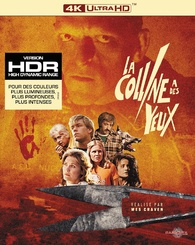
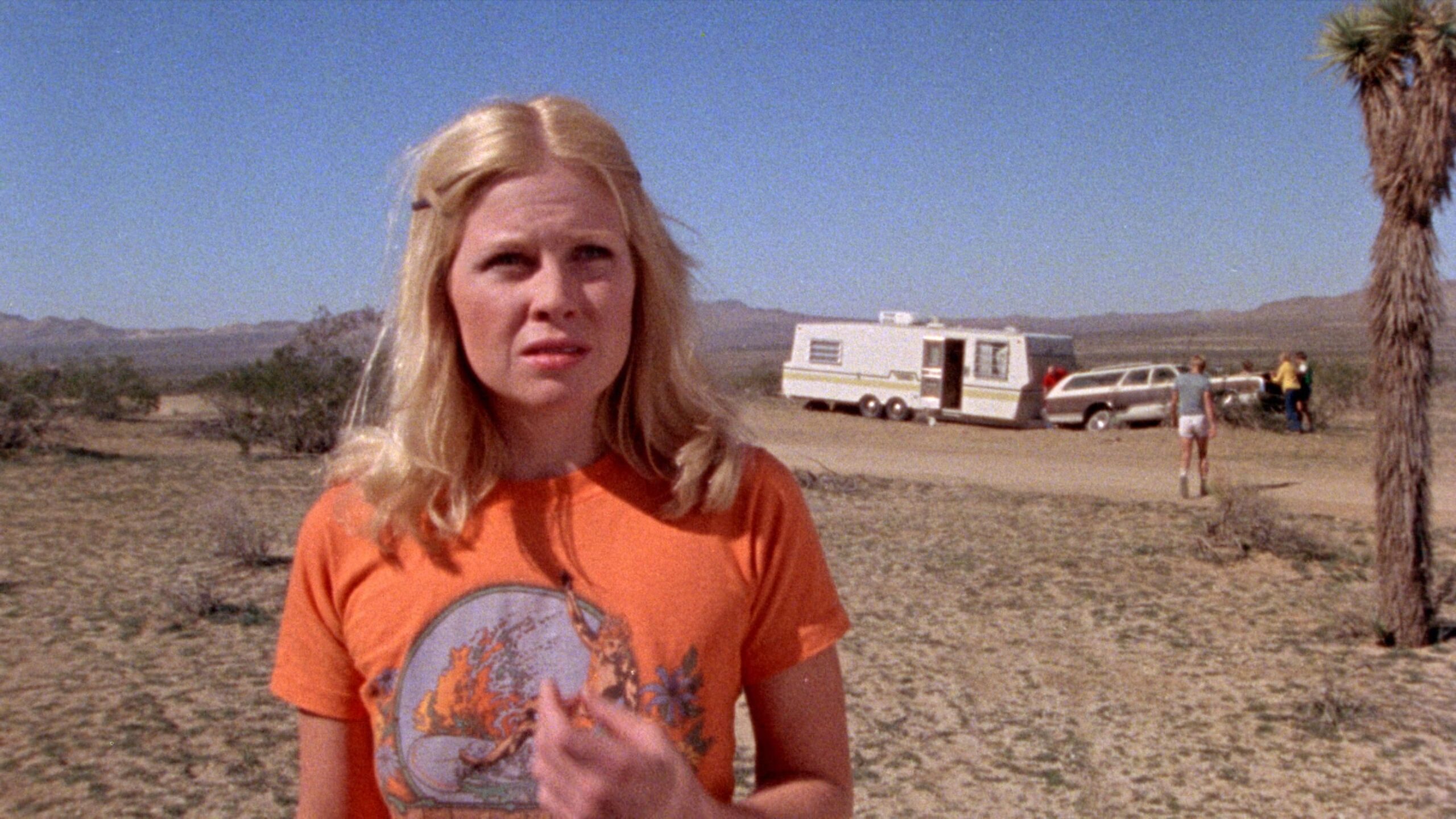
Laura, elle, incarne dans le jeu l’innocence absolue, la seule âme non corrompue par Silent Hill. Christophe Gans conserve cette pureté, mais la réoriente vers une fonction plus émotionnelle. Laura n’est plus seulement un contrepoint moral ; elle devient un rappel de la vie avant la chute, un fragment de lumière qui rend la descente dans la ville plus déchirante. Sa présence renforce la lecture romantique du film : si Silent Hill est un purgatoire, Laura en est la preuve que le héros n’est pas entièrement englouti par ses fautes. Elle n’est pas là pour juger, mais pour rappeler ce qui fut, ce qui aurait pu être, ce qui pourrait encore être sauvé. Le jeu l’utilisait pour révéler la culpabilité ; le film l’utilise pour révéler la tendresse.
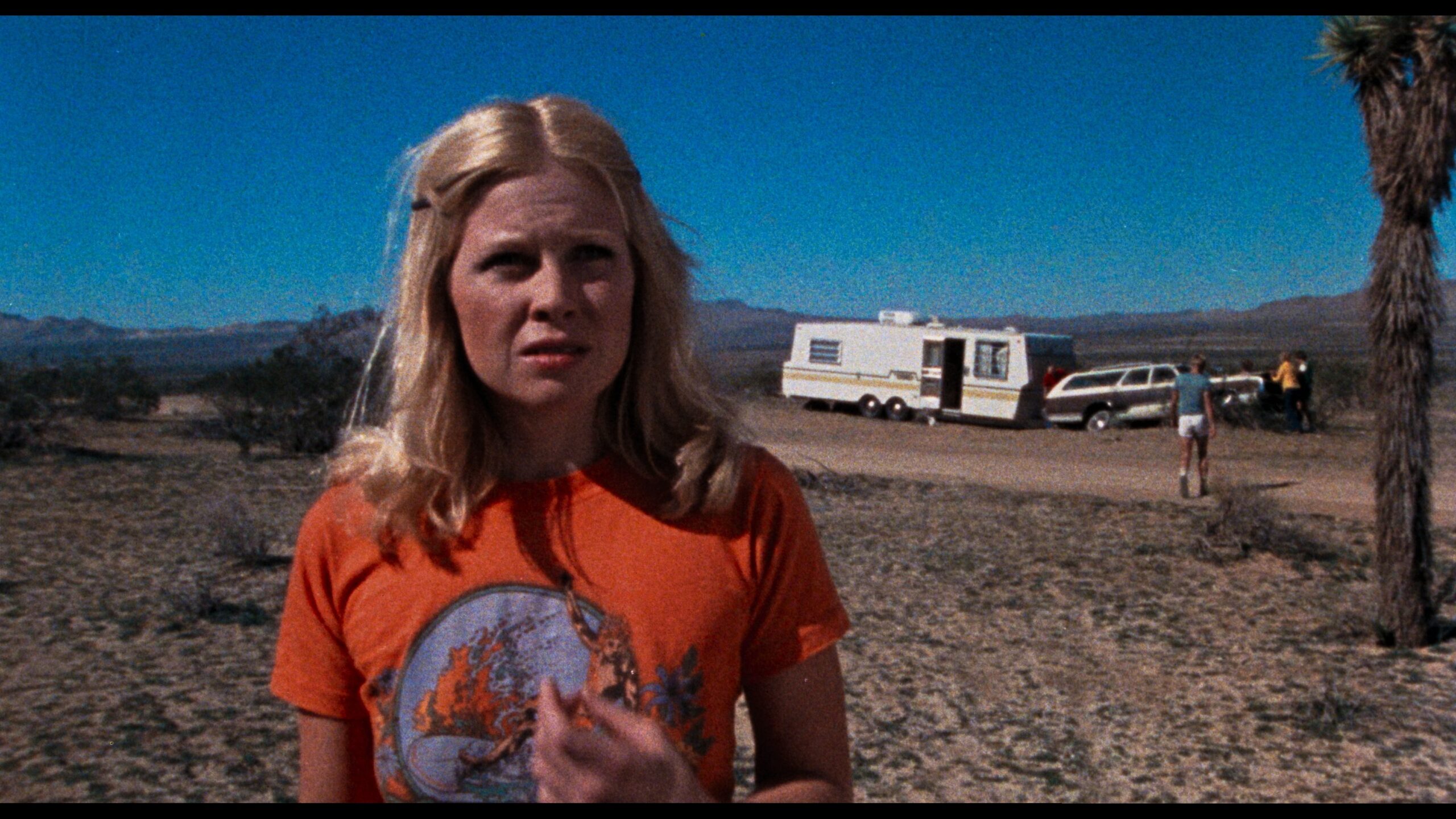
La ville elle-même, dans le jeu, est un labyrinthe mental où chaque monstre est un symptôme. Gans conserve cette logique, mais la rend plus lisible, plus narrative. Les créatures ne sont pas de simples clins d’œil : elles prolongent l’état intérieur du protagoniste, elles matérialisent la décomposition d’un lien affectif, elles incarnent la violence sourde d’un amour qui n’a pas survécu. Pyramid Head, en particulier, est le signe le plus clair de cette fidélité conceptuelle. Dans Silent Hill 2, il est la matérialisation de la violence intérieure de James, le bourreau qu’il porte en lui. Le film ne le réduit jamais à un symbole ou à une icône : il en fait une force tragique, une ombre portée de l’amour détruit. Pyramid Head n’est plus seulement l’exécuteur de la vérité ; il devient la forme monstrueuse de ce que le héros n’a pas su protéger. Le jeu en faisait un révélateur ; le film en fait un spectre. Sa présence inscrit le récit dans une logique de confrontation intime où chaque apparition est une étape vers l’acceptation de la perte.

Le scénario du film se distingue également par son rapport au temps. Silent Hill 2 plonge immédiatement dans l’inconscient, sans préambule. Back to Silent Hill installe un avant, un hors‑champ sentimental qui donne à la descente dans la ville une dimension de retour, au sens littéral comme au sens émotionnel. Ce choix renforce l’idée que Silent Hill n’est pas seulement un espace de punition, mais un espace de confrontation avec ce que l’on a aimé, perdu, détruit. Christophe Gans transforme la quête introspective du jeu en odyssée affective, sans jamais trahir la logique du matériau d’origine : la ville révèle ce que le héros refuse de regarder.

Enfin, l’interprétation de Gans se distingue par une volonté de réinscrire le récit dans une mythologie plus ample. Silent Hill 2 est un huis clos psychologique ; Back to Silent Hill élargit le cadre pour donner à la tragédie intime une portée plus universelle. Le film ne renie pas la solitude du héros, mais il la place dans un réseau de forces qui dépassent l’individu. Ce choix n’affaiblit pas la fidélité au jeu : il en propose une lecture où l’amour perdu devient le prisme par lequel la ville agit, se manifeste et juge.

Thus, Back to Silent Hill respecte profondément Silent Hill 2, non en reproduisant ses scènes ou ses personnages, mais en préservant son essence. Angela devient une variation de la blessure, Laura une survivance de la douceur, Pyramid Head la forme ultime du remords. Le film ne copie pas le jeu ; il en extrait la vérité émotionnelle pour la reformuler selon la vision d’un cinéaste qui voit dans Silent Hill non seulement un cauchemar, mais une histoire d’amour qui n’a jamais cessé de brûler.

🏅 Essentials, Flare for You

The Wolf's Eye

Wicked: Part II | 🇫🇷 : Précision ensorcelante et pastels magiques, un sort visuel frondeur

Speed Racer | 🇫🇷 : Détails fulgurants et frénésie chromatique propulsent la remastérisation 4K

AKOTSK – S1 | 🇫🇷 : Ombres cuirassées et éclat héraldique affirment la maîtrise du Dolby Vision

GOAT | 🇫🇷 : Parquet UHD fulgurant et dunk HDR triomphant, le match de “roarball” bascule

Marty Supreme | 🇫🇷 : Étalonnage rigoureux et grain nerveux smashent toute banalité visuelle

Avatar 3 | 🇫🇷 : Pureté numérique et contrastes abyssaux réouvrent la voie vers Pandora

The Housekeeper | 🇫🇷 : Rouge coquin et netteté domestique, un entretien très appliqué

Wolf's ear

Wicked: Part II | 🇫🇷 : Magie tourbillonnante et chants libérés s’élèvent en 3D vers le pays d’Oz

Speed Racer | 🇫🇷 : Bolide Dolby Atmos déchainé et effets turbo, une piste folle survitaminée

Greenland 2 | 🇫🇷 : Chaos migratoire et impacts destructeurs effilochent l’espoir en lossless

GOAT | 🇫🇷 : Set urbain et verticalité bondissante, chaque dribble Atmos forge son ascension

Marty Supreme | 🇺🇸 : Rebonds acclamés et ampleur nerveuse dynamisent chaque échange

Avatar 3 | 🇫🇷 : Hauteurs surarmées et basses sismiques, un déferlement bleu en riposte

They Will Kill You | 🇫🇷 : Hip-hop endiablé et latéraux enragés, un sabbat nocturne tonitruant

🎙️ View life in 4K Ultra HD

Nyctalope like Riddick and with a very good hearing, I am ready to jump on physical editions and SVOD platforms. But if the quality isn't on the rendezvous, stop at the bite! #WeLovePhysicalMedia

0 0 Votes
Evaluation of Article
Subscribe
Notify of
guest
0 Remarks
oldest
most recent Most popular
0
We would like your opinion, please leave a comment.x