What is cinema? A vast question which does not really have an answer and which will not be theorized here. We all have a vision of what cinema is. Each of us has its own opinion on how films should be designed and viewed. That's why a part of the audience doesn't see a movie, or a filmmaker in person from Harmony Korine. It must be said that with few exceptions, the gentleman takes a clever pleasure in rejecting established conventions and defying expectations. At a time when the creativity of American cinema struggles to express itself outside of a questionable formatting, (re)discover a filmography like Korine's, it is opening up to the madness that dwells on us as much as on film experimentation. So let's talk about this curious movie!
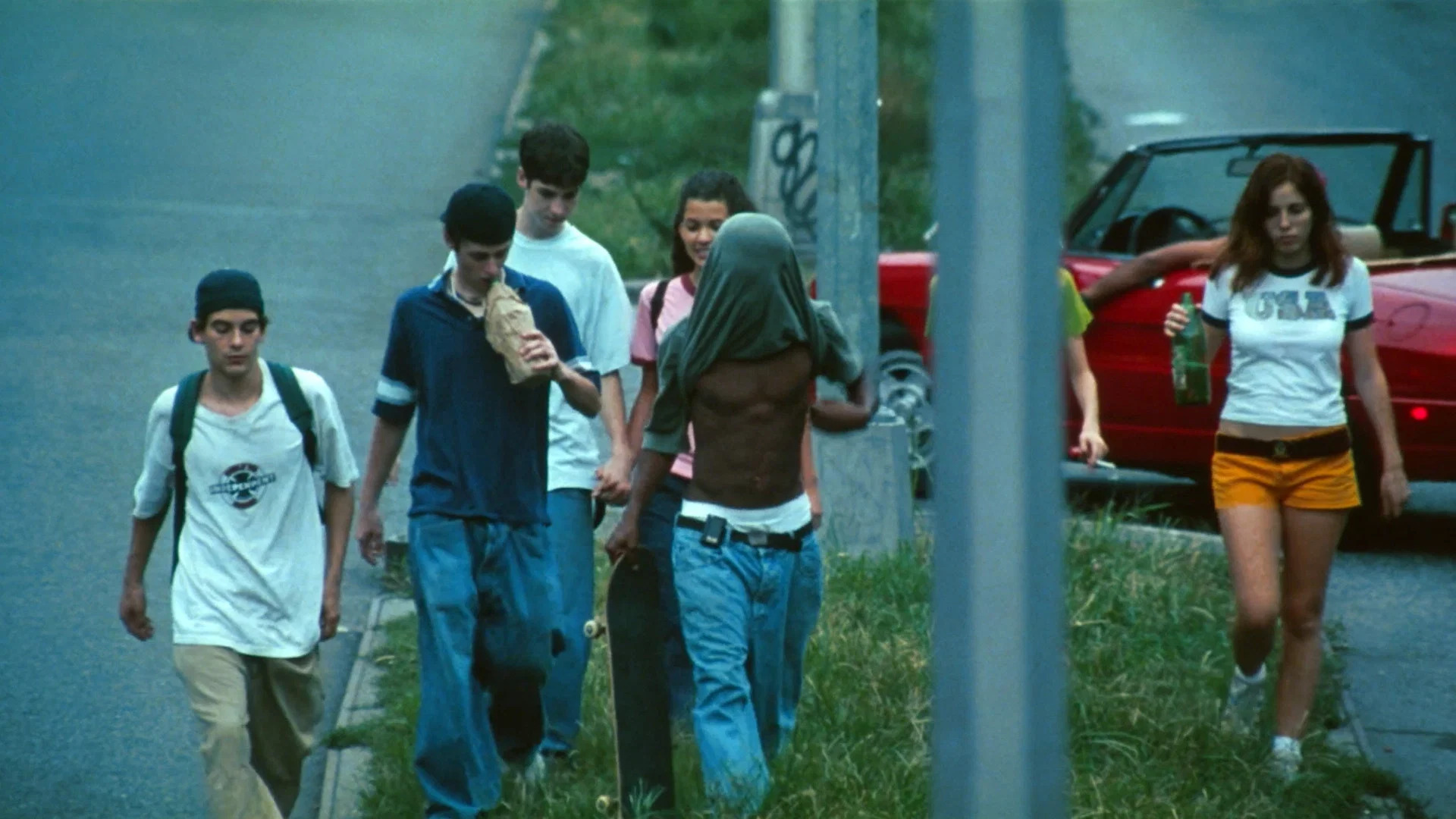
Before marking the spirits as a director, Harmony Korine began as a screenwriter alongside the controversial Larry Clark. In 1995, he signed the Kids, cult film that addresses the ravages of AIDS and deplores a young person in search of meaning, against the background of drugs and skateboarding. A work that will also launch the careers of talented Rosario Dawson and Chloë Sevigny. The latter will be regularly present in future projects of Korine who was her boyfriend at the time.
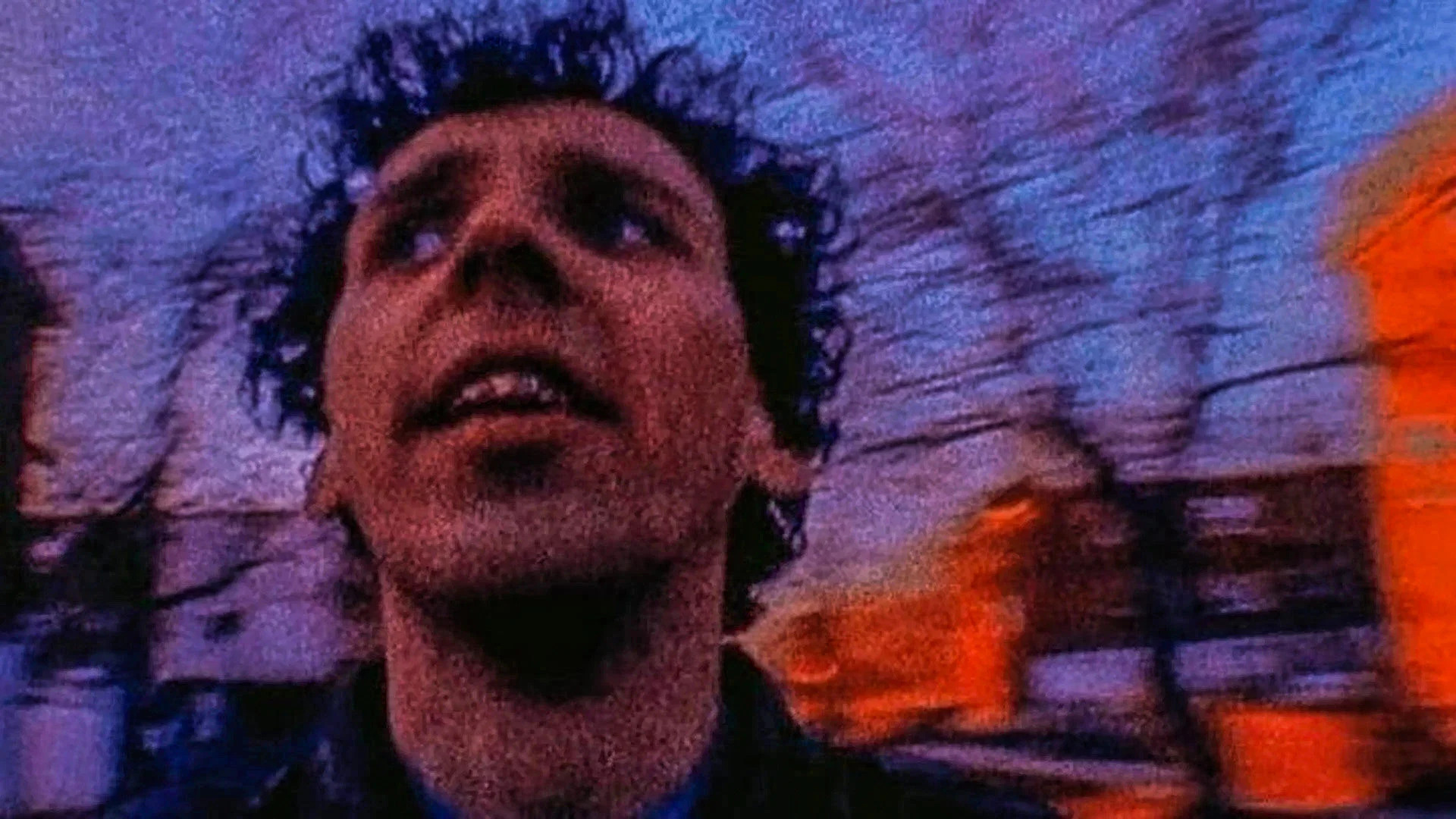
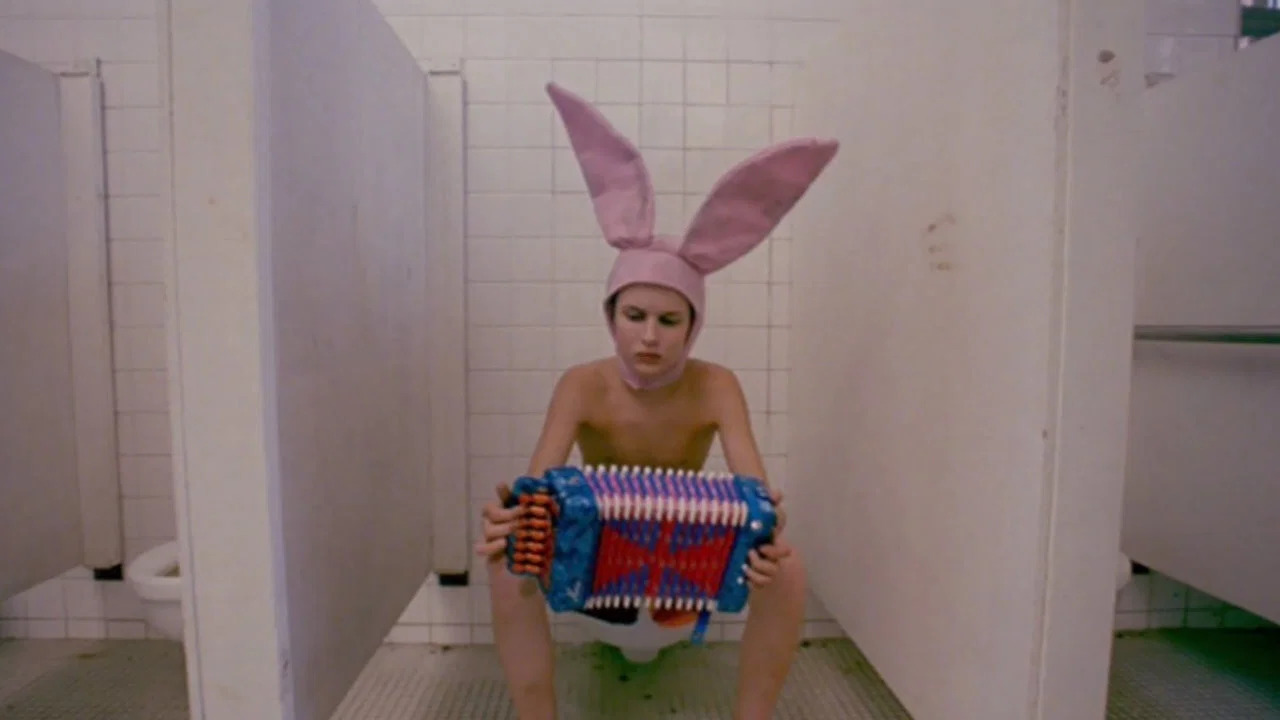
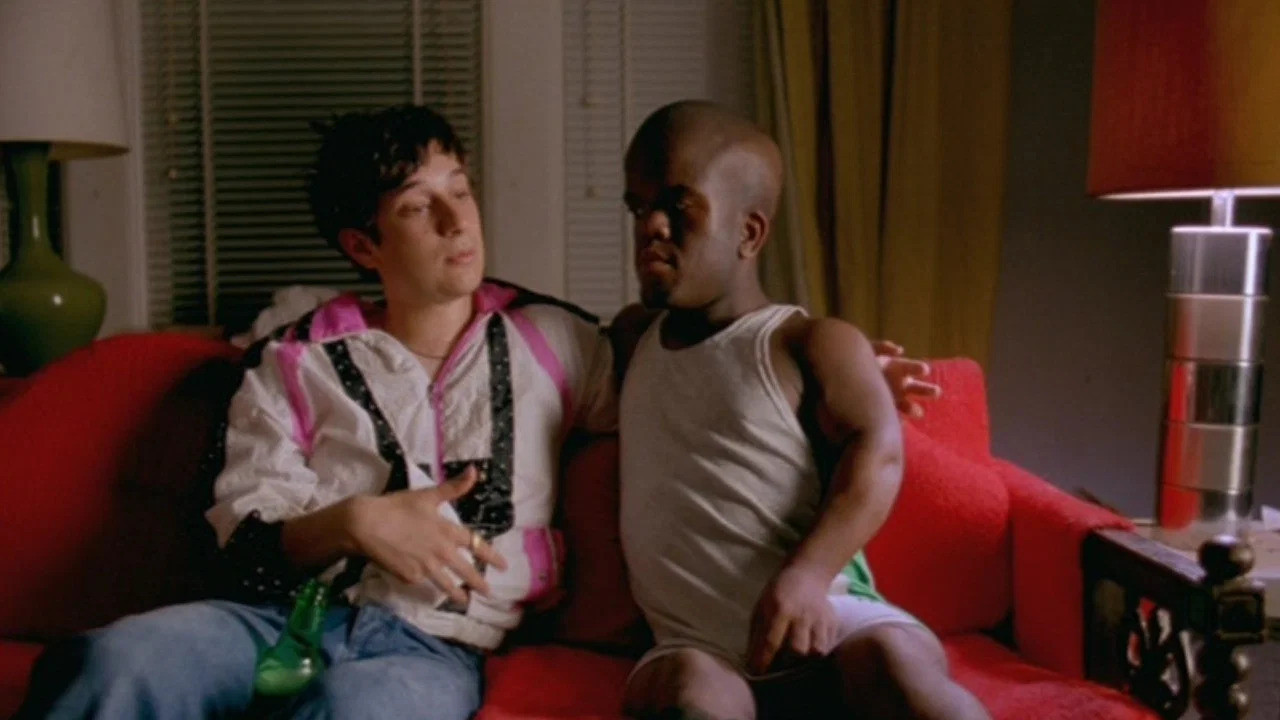
Following this experience, Harmony Korine will reiterate her collaboration with Larry Clarke in 2002, for Ken Park. A film that features partuzes, sadomaso, and other deviances. Before Ken Park, which will seal the end of the collaboration between the two filmmakers, Korine staged and directed her first two films. The first, Gummo, made a sensation during his festival tour before its release in 1997. It is the founding film of the upcoming career and style of Harmony Korine. Two years later, he seized the subject of schizophrenia which he staged in Julien Donkey-Boy, with starring actor Ewen Bremner.
Like the work of Larry Clarke, Alan Parker or John Cassavetes, whose influence Korine claims, filming is part of reality and immediateity. An amateur side to which most often amateur actors also join. The plans-sequences and improvisations, both of the filmmaker and casting, are legion. The camera is at the closest to real, madness and craziness, going so far as to summon a quasi-documentary approach, for part of its works in any case.
Yet, despite the misery and chaos that can repell sensitive souls, moments of truth are captured by the camera. Some moments when the viewer can recognize it. Because seeing a harmony korine movie is rationalizing your own madness, it's cultivating your empathy too. It is reconnecting to the world, despite its complexity and our potential inability to understand. Crossed characters are likely to become kind of doubles, deviant versions of our psyche.
Let's talk about Kids, of Ken Park or its first realization, Gummo, beauty is always present. It manifests itself through an aesthetic plan or through sincere human relations. The strength of the filmmaker is to never give the impression of judging or mocking these marginals. One can imagine without fear their distress in the face of a society that can only reject them. Folie and empathy go hand in hand with the work of Harmony Korine. This is reflected in the subjects dealt with, through the incarnate characters, as well as in the creative approach of the filmmaker. And in these fictitious worlds where madness dominates, the fool becomes rational and « Normal », while poverty fascinates.
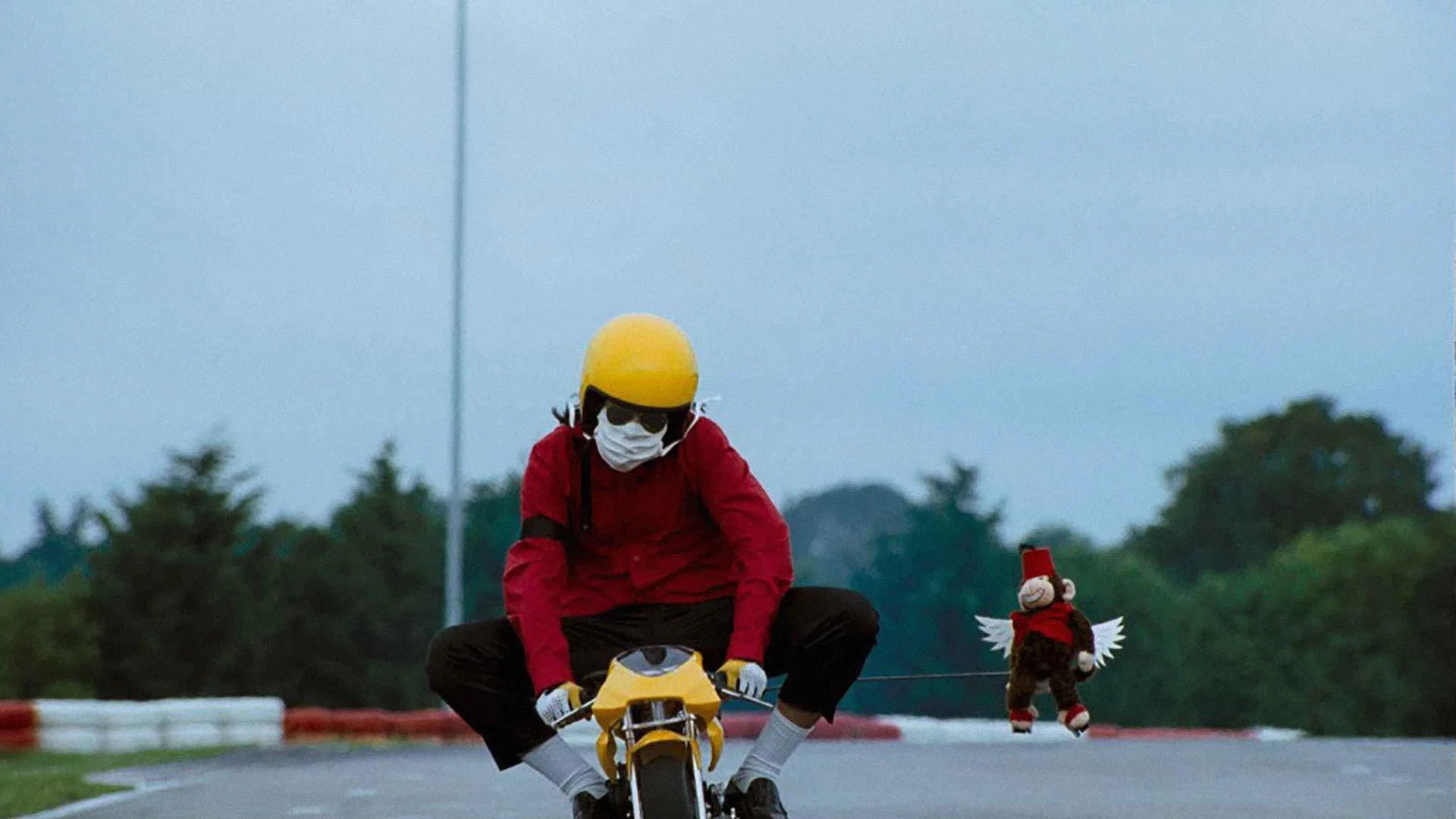
When out Mister Lonely In 2007, we discovered the journey of a miserable artist, an imitator who survived as Michael Jackson's likeness. It is the encounters with other likes that will save him, opening the doors to a world in which to flourish. It is probably the least deviating film of the filmmaker's filmography. A feature film that moves away from this amateur and broke side, from this porosity between fiction and documentary (although anchoring in the reality of a daily still remains), to touch something more « film ». In the sense that the work is more in line with the norms of good taste defined in Western, if one can say so. Harmony Korine reveals another side of him.
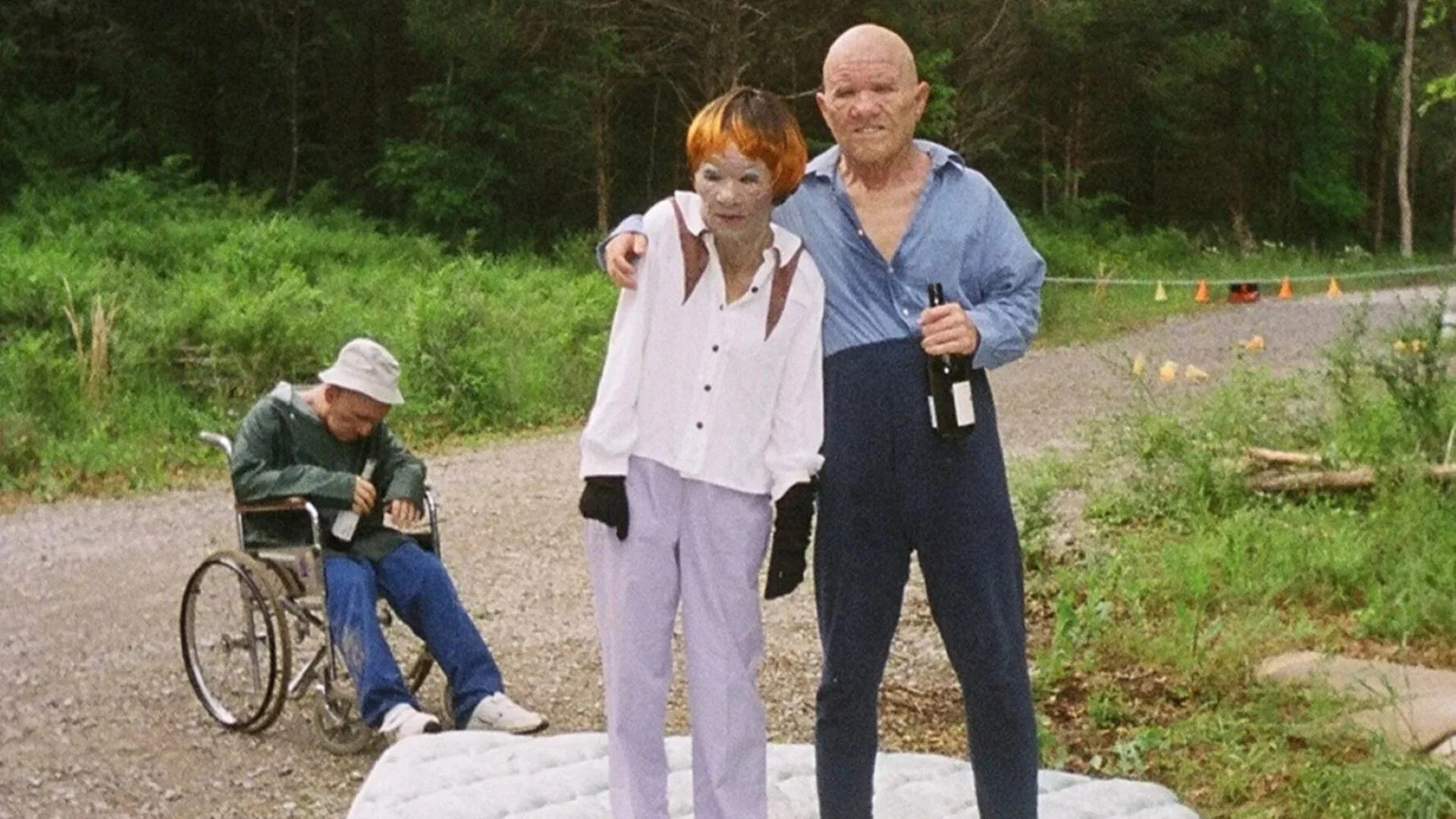
And then, a drastic turn with the improbable Trash Humpers. What to say, if it is that we follow individuals grim in old people committing all kinds of drifts, including sex with trash! Yes, we are there in 2009 in the filmmaker's career. We don't understand what we're looking at, but it looks like we're misunderstood at a self-sabotaging attempt. After all, Harmony Korine already enjoyed a singular aura. This is evidenced by his fleeting appearances in the media where he was discovered neglected, with oily hair, and endowed with the vivacity of mind of a man who just came out of bed.
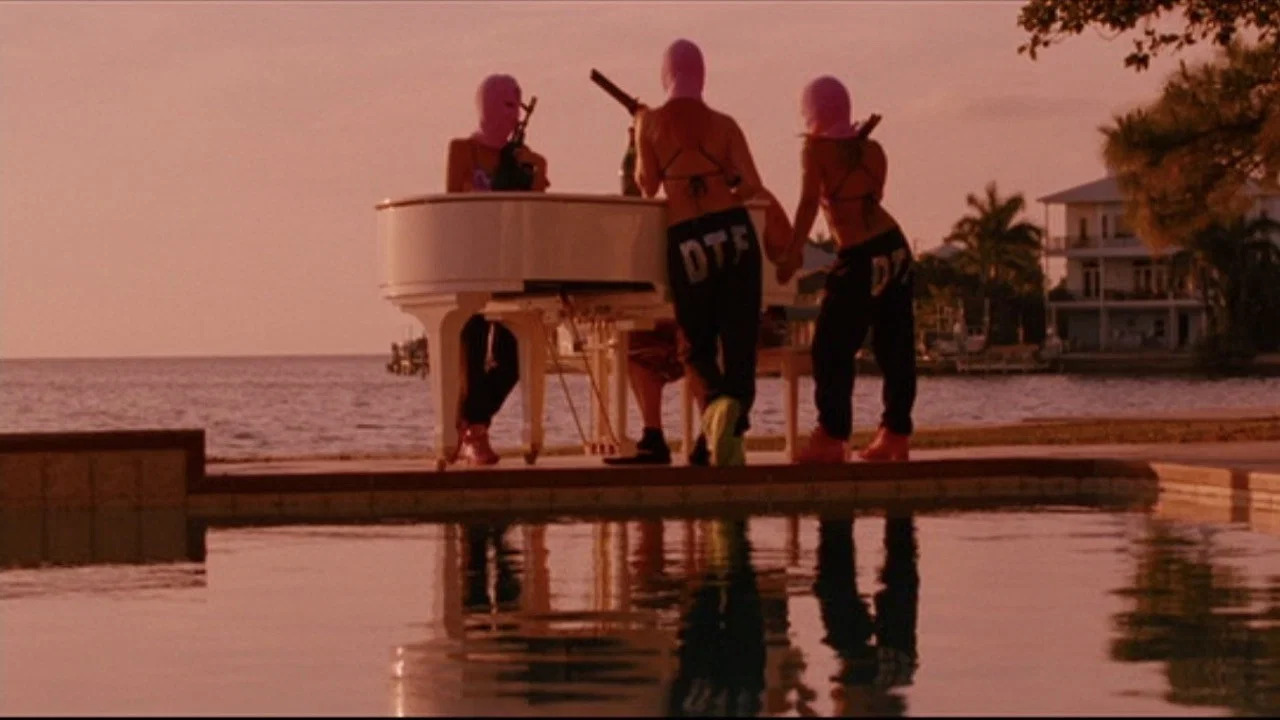
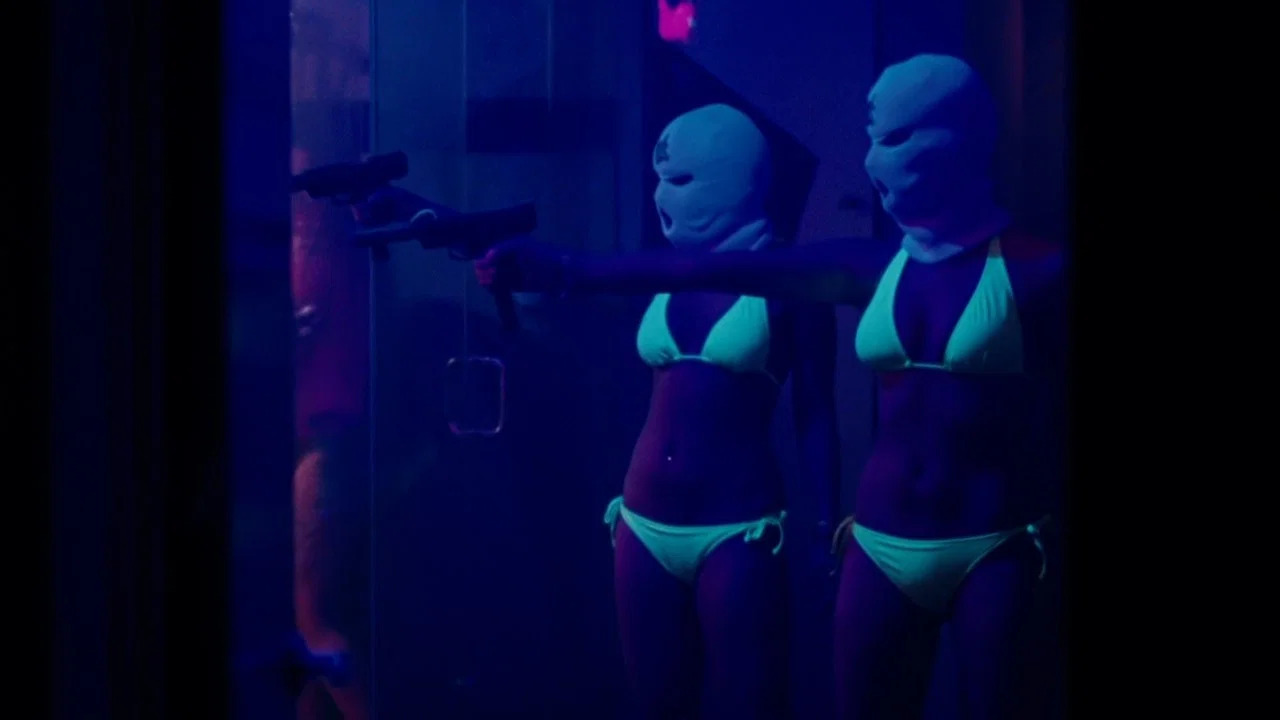
Fun images that also reflect the state of mind of Harmony Korine, who continues to evolve on the margins of mainstream cinema and the obligations that this entails. He never intended to become a great, successful filmmaker. Yet in 2012, his work took on a new dimension. Surprised success at the box office, Spring Breakers shook the cinemas and critics who no longer knew on which foot to dance, or on which body to squeal. If the project rejects the amateur side and loses its realistic side (not entirely that said), the presence behind the camera guesses. Greater audience, of course, the film still remains outside the nails of good thought taking against all expectations.
Everything's in the title. We are in real immersion during spring break with what it involves with drugs (and buttocks). And beauty always finds a place there. It reveals itself at the turn of a plan or sequence. It passes as much through the bodies as through the plans on a decor, an environment, like the performance performed on the piano by James Franco. The director plays the dichotomy between the innocence of the sequence and the violent imagery ubiquitous in the film. What remains the greatest commercial success in the filmmaker's career, however, will move away from theatres and festivals. Seven discrete years during which various projects do not materialize.
Korine's expected return passes through a popular casting and quite distant from any amateurism. Matthew McConaughey, Isla Fisher, Snoop Dogg, Zach Effron and Jonah Hill are gathered to give life to The Beach Bum (2019). Far from falling into the overbidding of the stoner movie codes and clichés, the feature film appears rather as a result. Korine harmonizes the chaos he loves, summoning wisdom and finesse of Mister Lonely, eccentricity and pathetic Spring Breakers, as well as the poetry that crosses Gummo.
Imagined after the shooting of Spring Breakers, during a holiday that one guesses festive near Florida, The Beach Bum takes over the character that James Franco interpreted. The Matthew McConaughey version is less violent and more disconnected from the real. An artist devastated by his own madness and excesses, but whose sincerity touches and seduces. And as always in the cinema of Harmony Korine, both on the background and on the shape, beauty emerges in places. The Beach Bum It is the love of a man for a woman, the love of a man for his art. This is the story of a man's love for self-destruction, the love of a man for total freedom.
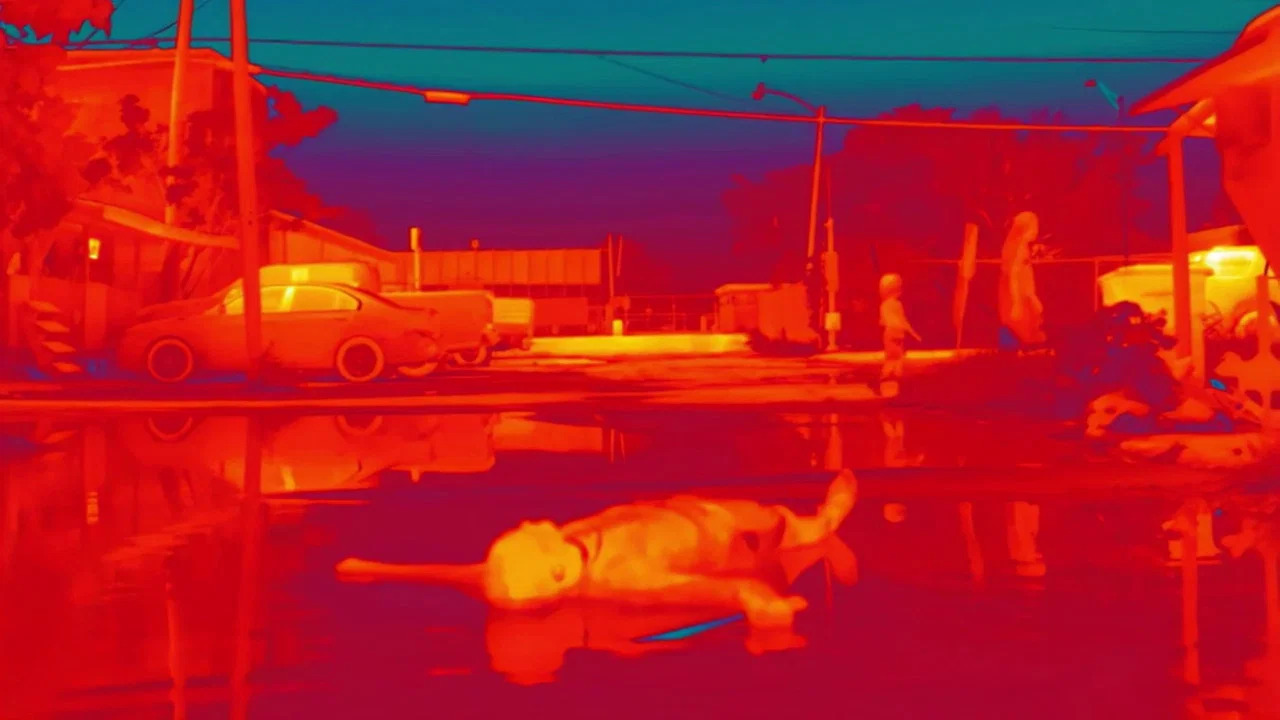
Maturity meant a bright future, with works more accessible to the majority of the public. However, faithful to himself, the filmmaker prefers to defeat expectations. In 2023, he celebrated his return with an experimental project shot entirely in infrared camera. A fascinating visual and dreamy trip that Korine does not consider a real movie. Whether it's the global atmosphere, the staging or the themes addressed, the influence of Spring Breakers is notable, and the Harmony Korine style recognizable.
Since its beginnings behind the camera, Harmony Korine has played with the codes and standards of Western cinema, be they aesthetic and/or narrative. It is the sensations, pure emotions, if not primary, that are sought. They come to life thanks to the real that influences fiction and vice versa. It is thanks to images and sounds, to the alliance of sensory channels that cinema stimulates and from which the filmmaker benefits. Since 2023, he has had his own production company specializing in technological creation (not just the seventh art), with which his teams and he experiment without constraint.
Named EDGLRDthe company was used to design a video game in view of FPS, Tamashika, whose artistic direction refers to that ofAggro Dr1ft, produced under the same sign. In the film, the background and form join together. Stylized aesthetics seem mainly present to stimulate our scopic pleasure and our thirst for images. The narrative is cryptic and affirmed by the symbolic form and colour. But also through the music, the emotions it provides and what these emotions tell about us. In the worldAggro Dr1ft demons become visible. The traverses of humanity, fortiori that of men, materialize in a spectral form as we follow a killer in charge of eliminating a demonic being.
In contrast, Baby Invasion (2024), the latest project, the demons took possession of the bodies. Hell fell on earth and violence has become a leisure that is shared on networks. Infrared leaves room for various technological experiments. The most crude digital effects are associated with the use of I.A., virtual reality and video aesthetics. The screen constantly saturates due to visual aberrations, the assembly is aggressive and deliberately chaotic. Violence is free and playful, which is reflected in the masks of joufflus babies accompanying these criminals.
There is a horrible feeling that children are trapped in adult bodies that, guided by their impulses, act with impunity. The apparent amateurism in the staging, desired by the filmmaker, and the efforts to transvestinate the images contribute to the malaise caused. A part of our conscience wants to believe in these images, in this film that does everything not to be. Baby Invasion is a dark symbol of our present day. An era that nourishes its own madness on the social networks and now the generative I.A. A time when empathy and intimacy must no longer exist, because only ego and the eyes of others should count.
Sometimes the doubt invades us. He invaded us until eventually settled for good. It takes root in sport, in life and relationships, in work as well. When doubt simmers, we turn to works that reassure and inspire us. We are immersed in the filmography of filmmakers who only do external considerations. Harmony Korine belongs to this category of atypical filmmakers who are always loyal to themselves. If he enjoys a certain reputation, he must still consider himself a true filmmaker. A consideration that does not seem to interest him too much. Sometimes beautiful, often pathetic, his work depicts the traverses of humanity and gives a voice to the marginals: tribulation of a schizophrenic, daily homeless fornicator of garbage, etc..
Harmony Korine draws both from the daily lives of marginals, and from the most twisted corners of his mind. And so, in that of a part of humanity. Is it not reassuring to be accompanied by other spirits at least as sensitive and/or deranged as ours? Because we're not alone. Our tastes, our fears and our worst thoughts are shared by others. The cinema deconstructs itself by contact with the camera of Harmony Korine, while the latter sublimates vice and misery through its objective. He makes his way in the margins and preserves this sincere and compassionate gaze towards those left-for-account, however immoral they may be, which the common mortals usually prefers to ignore or even despise.
Scribe ninja escaped from the island of Shang Tsung and now living under perfusion of films, it is possible to see me on Falkor's back as I travel through imaginary worlds in search of a catharsis or inspiration. I am told that I am constantly guided by the martial values inherited from my youth in Jiang Hu.

© 2025 MaG - Movie & GameAll rights reserved