
• Tested on PC with RTX 5070 TI in 3440 X 1440 ultra wide screen.
  • Code transmitted by Capcom
  • Adventure finished in 40 hours after Steam, 32 hours after the game leaving out the Fedex quests. Played in vost.
  • Constant fluidity around 200 fps.
  • Home gameplay captures using photo mode and Nvidia video capture.
  • Don't throw the stone at me, it's my first. Onimusha !

Dragons Dogma, Kunitsu-Gami: Path of the Goddess, Resident Evil Requiem, Pragmata And now Onimusha... That's what we call a quintet more! Capcom once again succeeds its bet, multiplying the successes with an irreproachable consistency and finish. This winning strategy contrasts with the inconclusiveness of competing teams, which send old licences to the slaughterhouse that were once successful or torpedo studios newly acquired to conduct cascade layoffs plans the following year. A sad shipwreck become common at Microsoft as at Sony, when they don't come out of the mediocre titles like Wolverine which insults our intelligence. Capcom has accomplished what other publishers have forgotten: making games that don't take players for prunes.

Sengoku Biohazard

For those who do not know the license OnimushaIt is necessary to return to the end of the holy 1990s, where the slams chained like the torgnoles of Obelix on a Roman legionary. If you think I'm nostalgic, go see the number of unbeatable titles that are still staggering at the top of the rankings of the best games out to convince you. At the dawn of the new millenniums, players no longer knew where to lead. Ocarina of Time, Super Mario 64, Half Life, Age of Empire, StarCraft, Metal Gear, Final Fantasy, Golden Eye, Pokemon, Fallout, Castlevania: Symphony of the Night, Final Fantasy 7, Resident Evil 2, Parasite Eve 2, Dino Crisis And now, the video game seemed to reinvent itself at every exit as if the sky would fall on our heads.

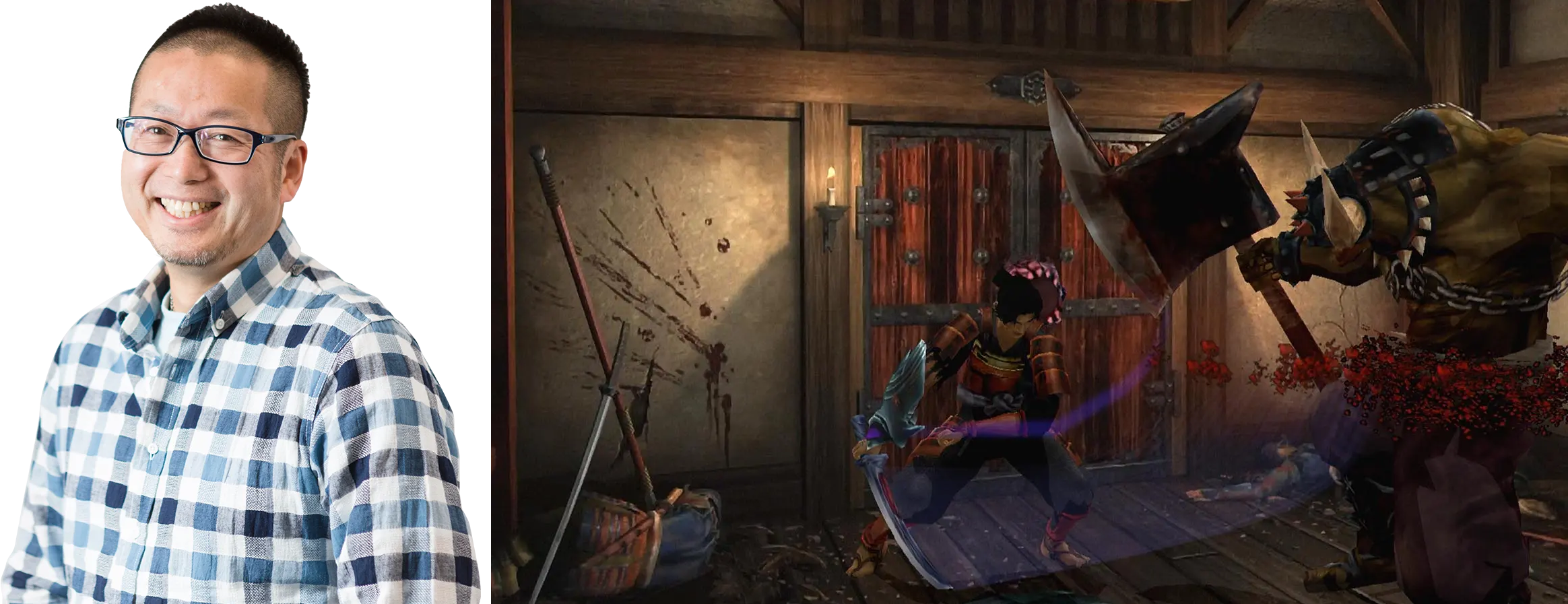
Faced with the phenomenal success of the Resident Evil series, Yoshiki Okamoto sought to capitalize on Capcom's successful formula. In 2003, he left Capcom to set up his own Game Republic studio, which will not leave us with imperishable memories.
Onimusha Warlords takes over the moving mechanics of Resident Evil and even a variant of his faithful pumped rifle prized by the lovers of sautéed brains...

In the midst of all these cult games, in 1997, in the heart of Resident Evil mania, a certain Yoshiki Okamoto had a crazy idea: create a ninja version of Resident Evil. It's under the baroque code name of Segoku Biohazard that we hear for the first time talking aboutOnimusha. If the project was originally intended for the device Nintendo 64 of the Nintendo 64, it will have to wait until 2001 for him to finally come out on a more powerful console, the PS2. Capcom's seventh best-selling franchise to date, the series games will suddenly disappear from the landscape after Dawn of Dreams released on PS2 in 2006, then almost nothing, except to consider two remasters and a modest VR experience.

Funfact, Jean Reno embodied one of the two protagonists of Onimusha 3: Demon Siege (2004). « Montjoie! What if I weaken! »

Designed as a reboot, Onimusha : Way of the Sword immerse us again in a medieval Japan plagued by an invasion of demons, called Genmas. Incarnate Miyamoto Musashi, a samurai a tantinet brach. After a bad encounter that cost him his life, the rogue is welcomed on the way to Hell by the legendary Minamoto no Yoshitsune, who offers him a mystical gauntlet to return among the living. A true Faustian pact for any ephemeral who is concerned with the rules of respect and merit inherent in the Bushido code, this gantelet aspires the souls of the dead and the living, giving its bearer – now a prisoner – extraordinary powers.

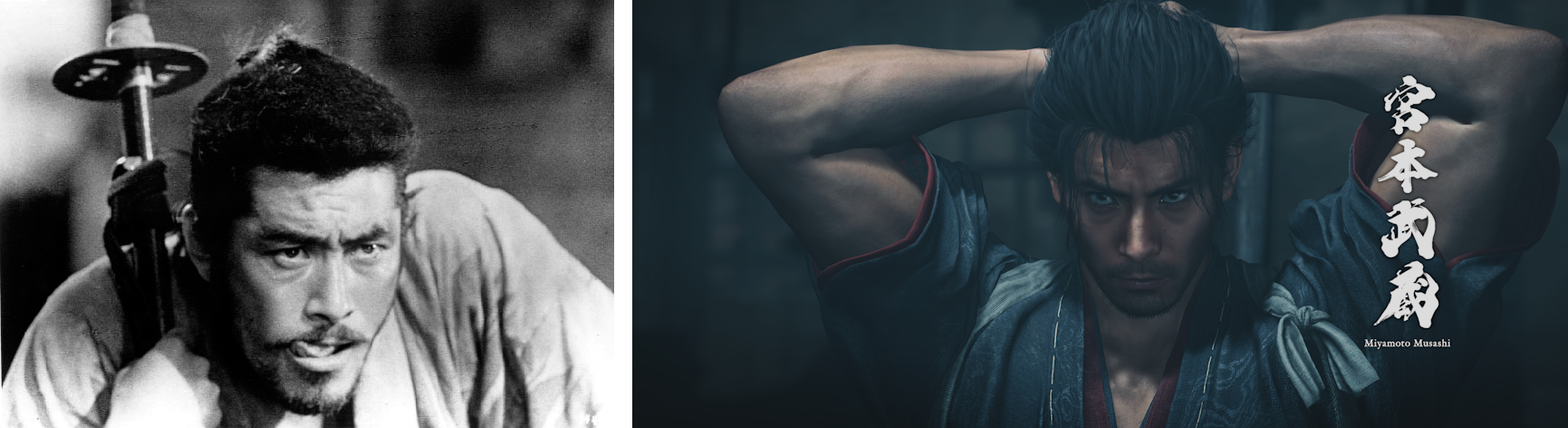
Our hero is directly inspired by Miyamoto Musashi, who according to legend won his first duel at the age of 13 before following a life of sabreur. His record would be 61 duels without defeats. On the left, Toshirō Mifune inspired the character of Capcom.
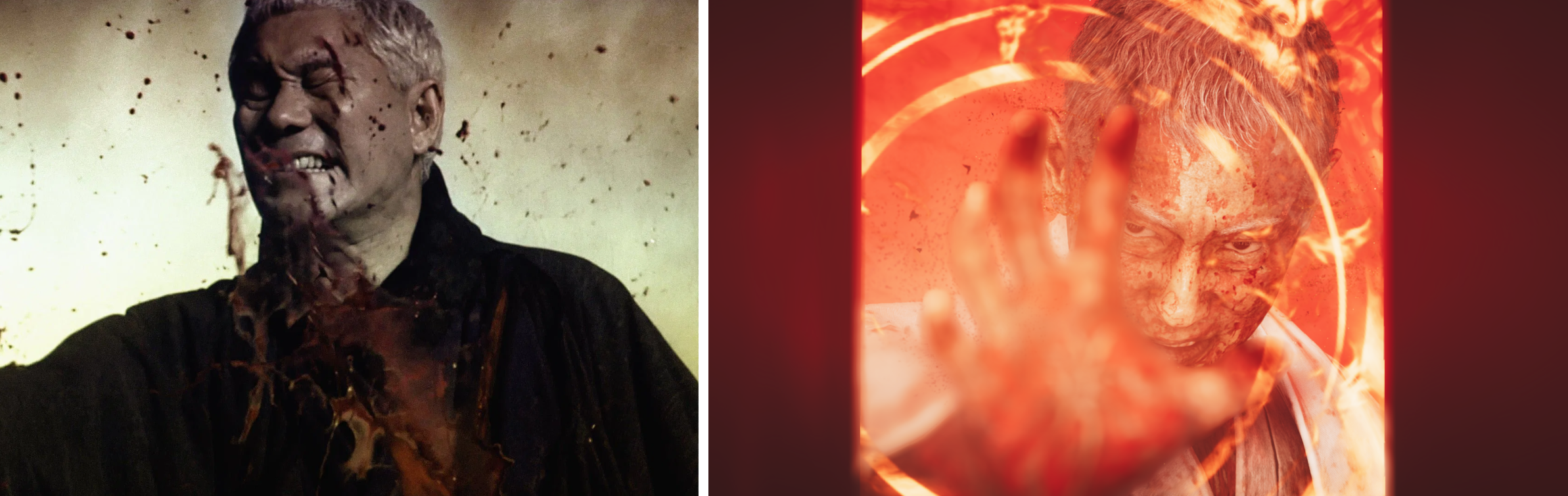
Minamoto no Yoshitsune recalls the features of the actor Takeshi Kitano who camped the role of the legendary blind samurai in the excellent Zatoishi (2003).

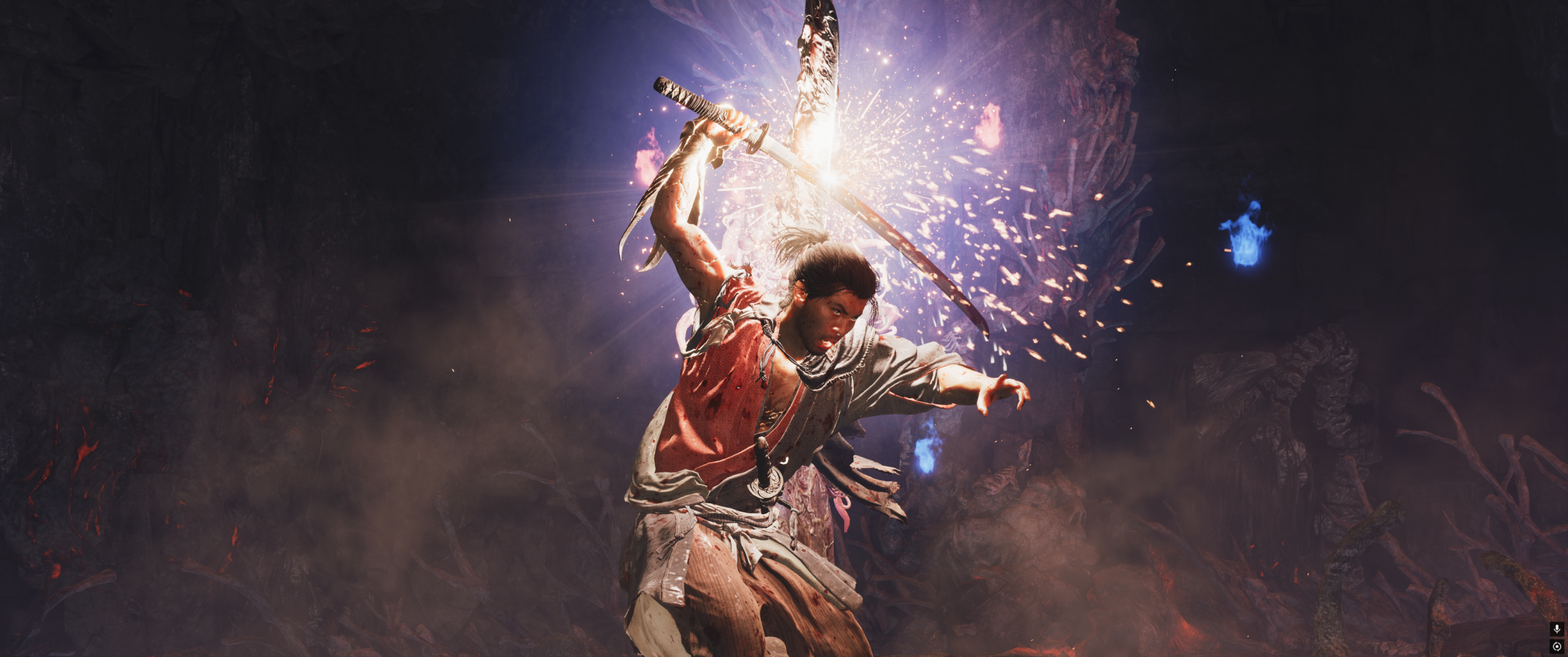
Let's just say right now, our protagonist Miyamoto Musashi is certainly Capcom's coolest character of this decade. Directly inspired by the legendary Japanese actor Toshirō Mifune, he is the archetype of the vagrant and casual warrior, a full-hearted fighter. Capcom has fun singing samurai codes with Musashi whose facial modeling crosses a palette of opposite expressions and emotions in just a few seconds. Little avary in kinematics, rare for a game of the genre, Onimusha Multiplies the effort of staging with particularly inspired sequences and choreography.

The best defense is the attack.

Thought to the image of an almost-boss rush disguised, each duel is conceived as an encounter. Like the fraks of Dead RisingWe feel that Capcom has acquired a writing maturity that draws from decades of mutants and degenerates of all kinds. If the beginning of the game may seem easy, the difficulty climbs crescendo, as if each level had the aim of preparing us for the next. While the subgenus of samurai games has exploded in recent years with more permissive experiences like Ghost of Tsushima, Onimusha seems more inspired by the undisputed master Sekiro.

One gradually learns how to manage multiple targets at the same time, even if the enemies are rather disciplined to prevent the gameplay from turning into a fun fair.
Musashi's nonchalant side is felt even in animations.

If you're hermetic to soul likes, maybe you'll have trouble understanding Way of the Sword. Don't be misled, Onimusha is not as punitive as From Software games, but it is made of the same wood. The gameplay is based on the skill and you won't be able to rely on the stupid execution of the controller to hope to triumph. As in soul care, it is necessary to take the risk of dropping the stick for a moment to activate the directional cross and, at the time of an animation, to heal oneself hoping to have correctly calculated its timing. Inspired by the chanbara, a Japanese genre that is often close to Western cape and sword films, Onimusha relies heavily on waiting for the key moment to draw his katana.

Heavenly wrath, an old friend who will visit you regularly. Enjoy that angelic smile!

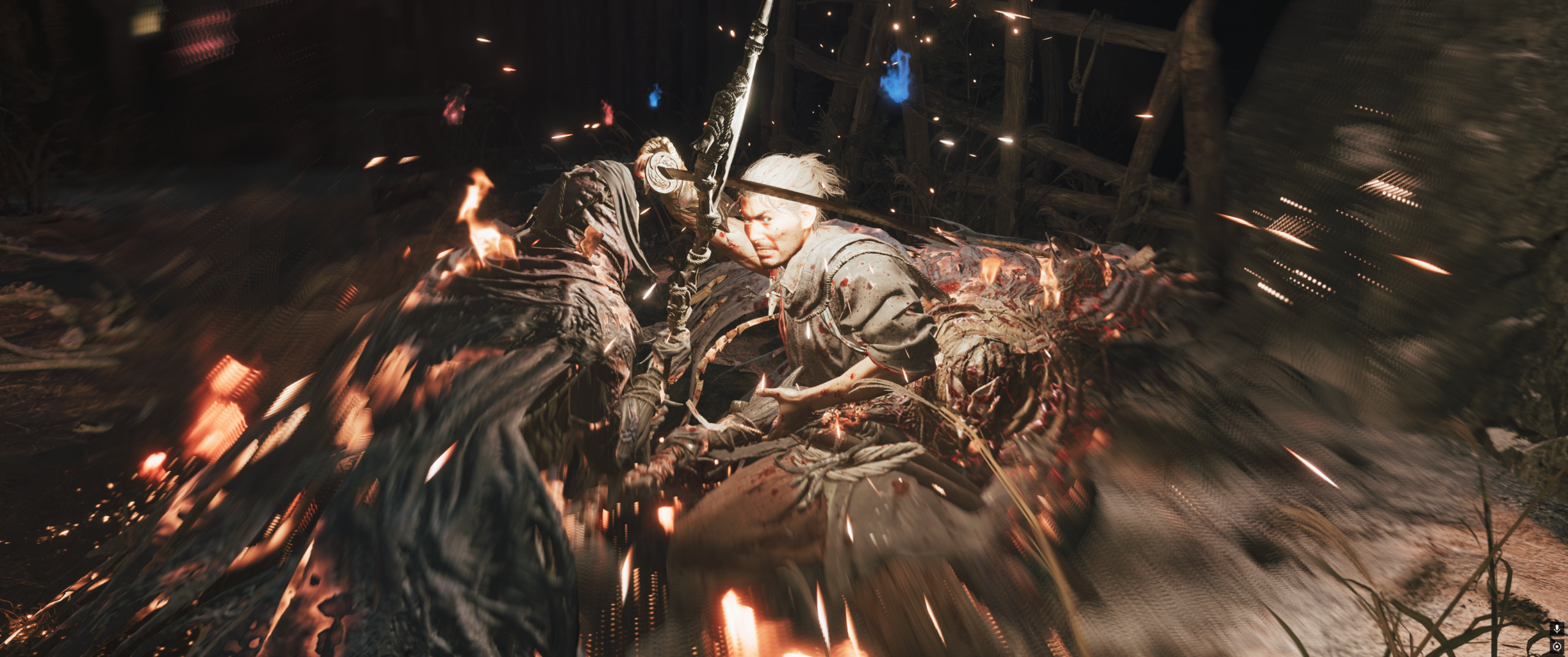
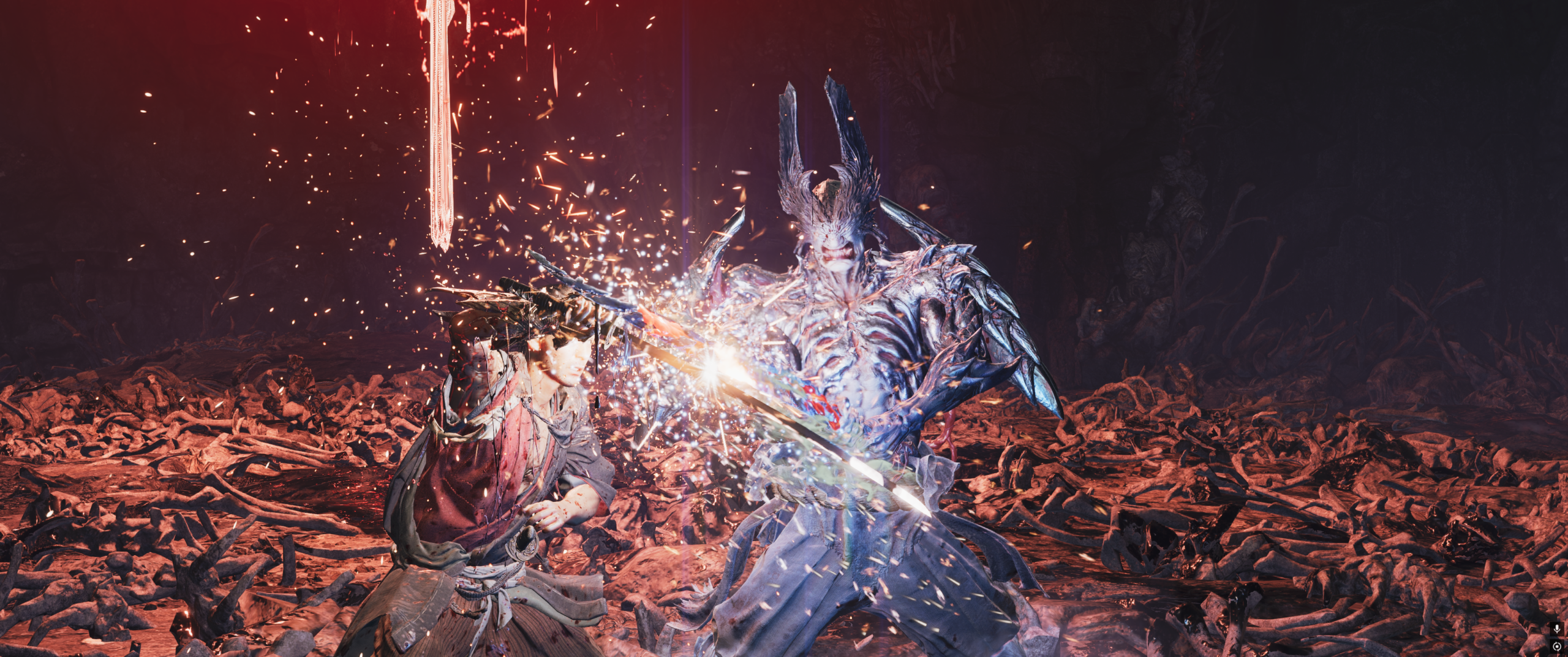
Where the Dark Souls were more defence- and duo-oriented Bloodborne / Sekiro on the attack, Onimusha opts for the best of both worlds. If a simple pressure from the trigger, one can keep his guard, the game pushes to temerity, first because our resistance bar will not collect indefinitely the blows of our opponents. In addition, the developers have integrated a perfect parade, called deviation, which allows to drag the enemy's blade onto ours, nibbling by the same the attacker's stamina gauge. To do this, you will need to press simultaneously on L1 and X at the milliseconds near where the hit is made. In this way he would have played the entire title the low guard, activating the deviation at the last moment.

The vitality of Musashi's facial expressions is bluffing. You can even make back deviations at the last moment. The Dallas class!

To this is added a mechanical as punitive as it is terribly grey, the « against Issen » which executes by attacking a fraction of a second before impact to trigger a devastating counterattack. It will be necessary to learn how to read monster patterns to seize these opportunities in the course of time left to the player. If at first we don't do the brawl too much, as we progress, we gradually taste at the pleasure of theissen. And what a feeling of power when you break a badly engaged combo and get back to our advantage. It is therefore perfectly possible to finish the game without taking any damage (notice to purists). You will understand, it is up to you to choose whether you prefer safety rather than daring. The gameplay's validity also comes from counter-chops that DNA immediately recalls Street Fighter, ultimate powers that we will not reveal here and a little underexploited arch if we were to look for the little beast. Onimusha requires to enchain key combinations with fingering and agility.

Living is suffering, as long as you can

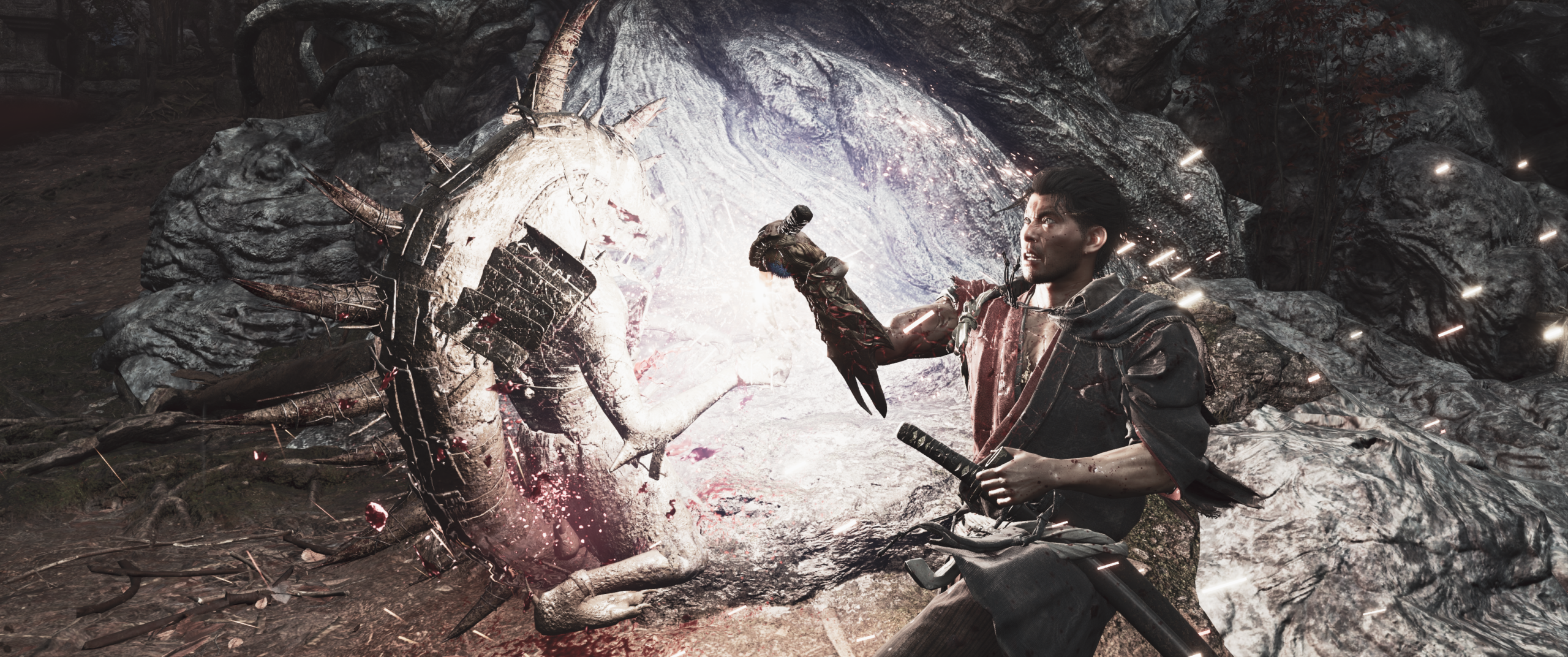
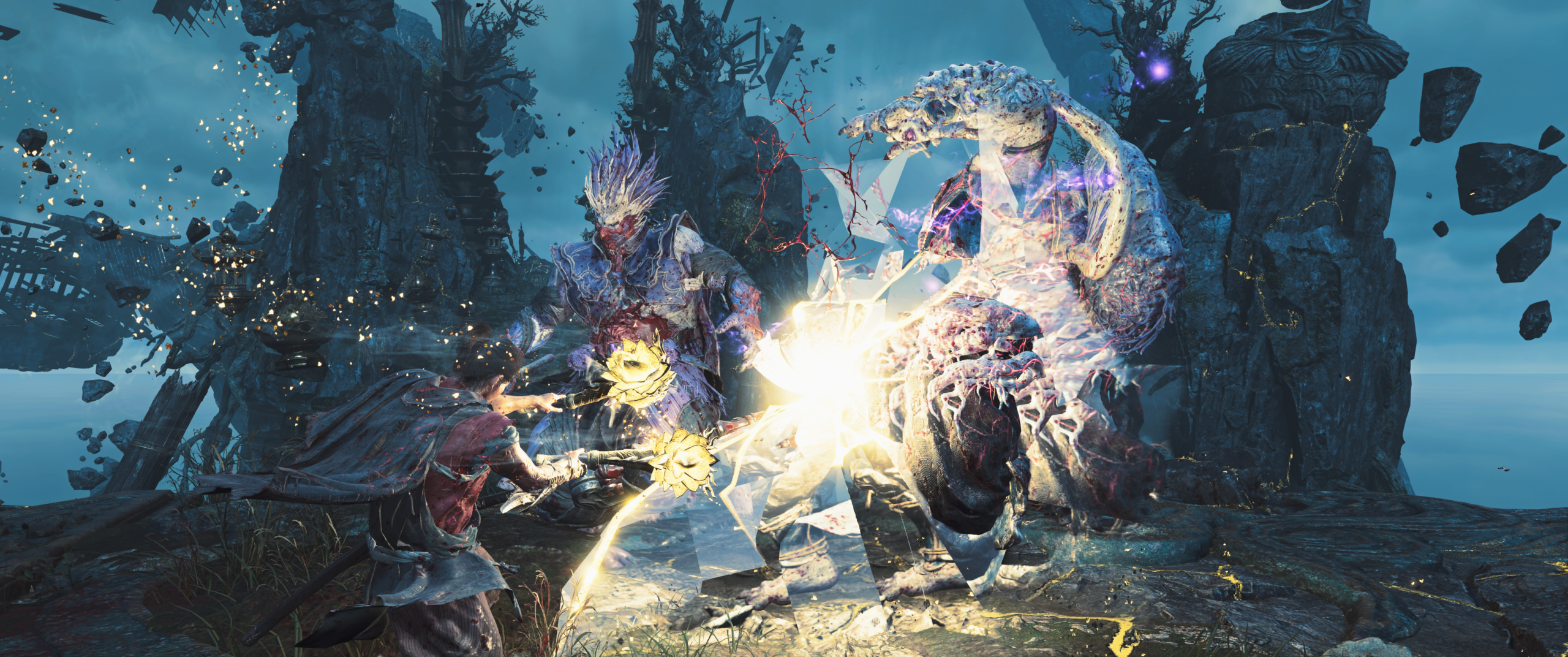
Where the developers could have given in to the mermaids of ease, the bosses are full of various attacks, variations, feints and other simulated or counter-timed blows to surprise you better. The gameplay is progressively densified by additional layers of nuances that make up so many openings to break the guard of our opponents. Our glove is animated by the power of the Onis that allows us to absorb the precious souls of fallen monsters and invoke powerful special attacks. The progression curve is exponential and the variety of bosses forces us to renew our approaches and integrate all facets of the gameplay until the final meeting that will have occupied a substantial part of the afternoon.

Huerleterre hammers are devastating at full load. Still, we must succeed in putting our shot right!
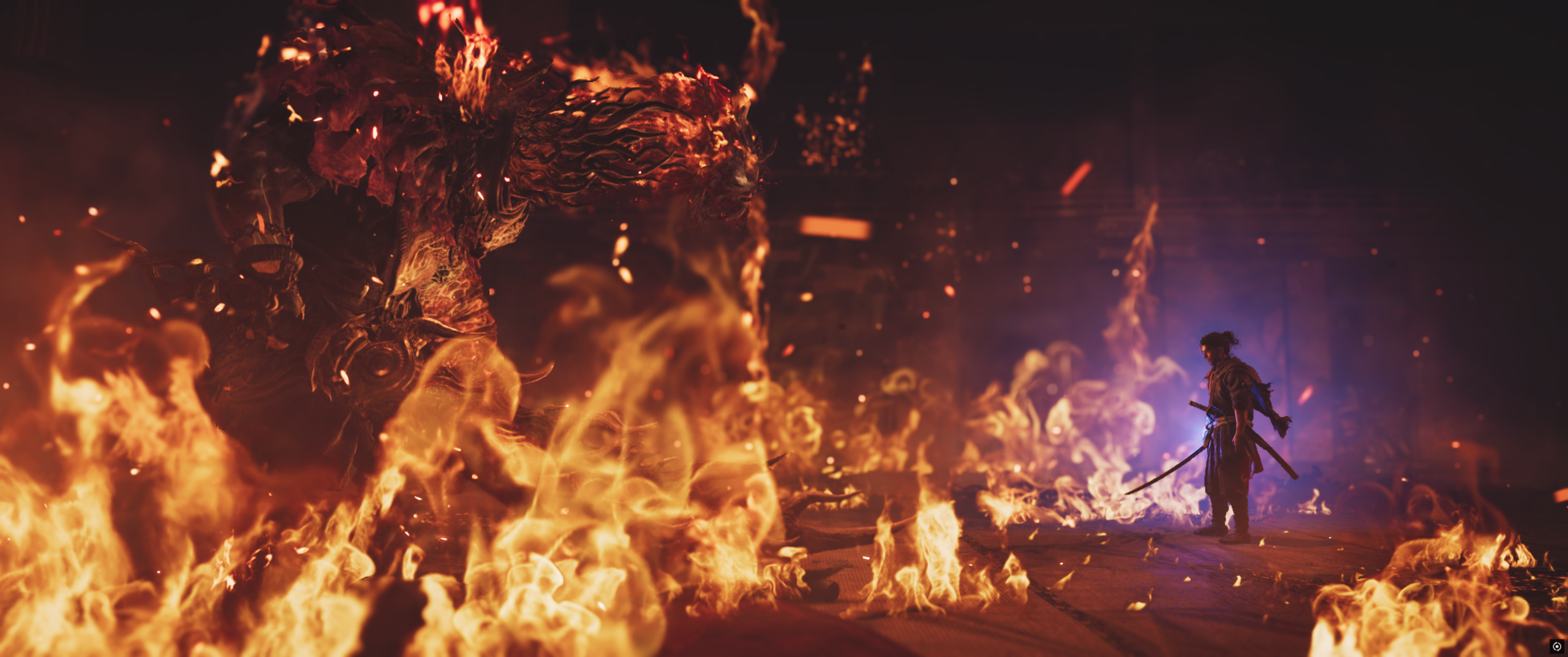
Musashi will not hesitate to fight against demons as carpented as a mountain.

Let's say, if Onimusha remains accessible, he will ask the player for unwavering attention and playful play, especially for the last bosses. But what a treat to hear the blades stinging and the sparks fuser during a combo savourily interrupted in extremis, when it was thought that any resistance had become futile. The fighting is also punctuated with micro-sequences designed to maximize the impact of the games. For example, striking exactly the opponent at the same time will give rise to a duel of sword, where you will have to hammer the action button. We can also use some elements of the decor to turn them against the Genmas. Let's not go four ways, Onimusha has a brilliant gameplay, coupled with an excellent staging.

Hello, Prince of Persia!

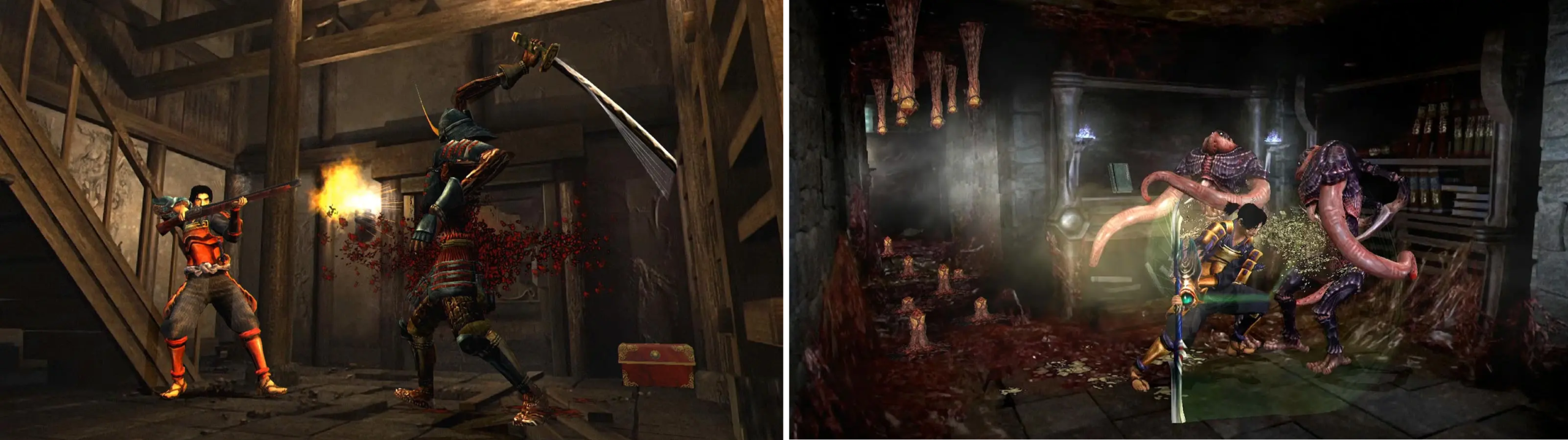
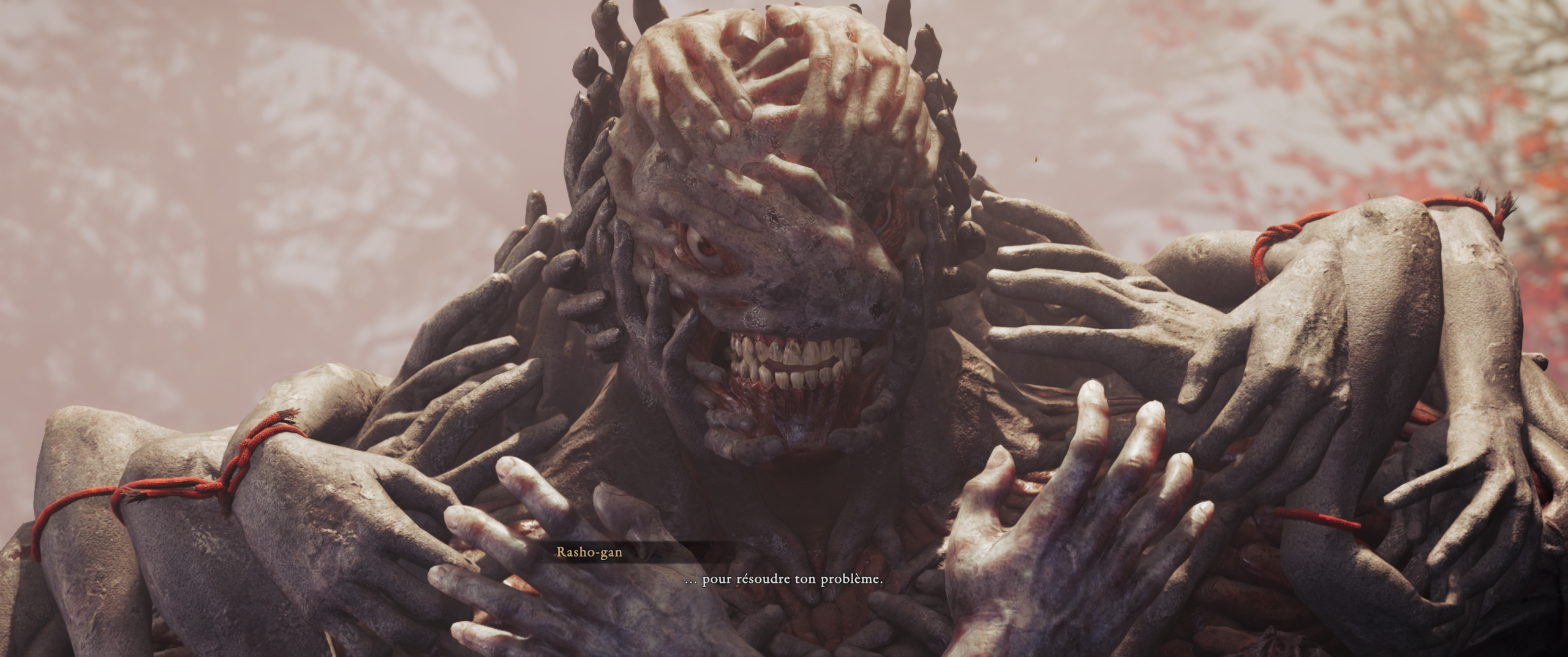
If the story is all quite classic, we slide without anicroche into this universe both gloomy and strange, glaucous and cynical. If Onimusha Surprises, it is also due to its mix of genres and its gallery of bizarre characters, sometimes disturbed, sometimes endearing. One feels the unmasked influence of Kentarō Miura and his work forever unfinished Berserk, when piles of organic waste come out of the ground like calcified monuments dedicated to the torture of the dead. The main adventure enjoys quite crazy sequences in the image of the very horrific level dedicated to a form of mortuary shibari.

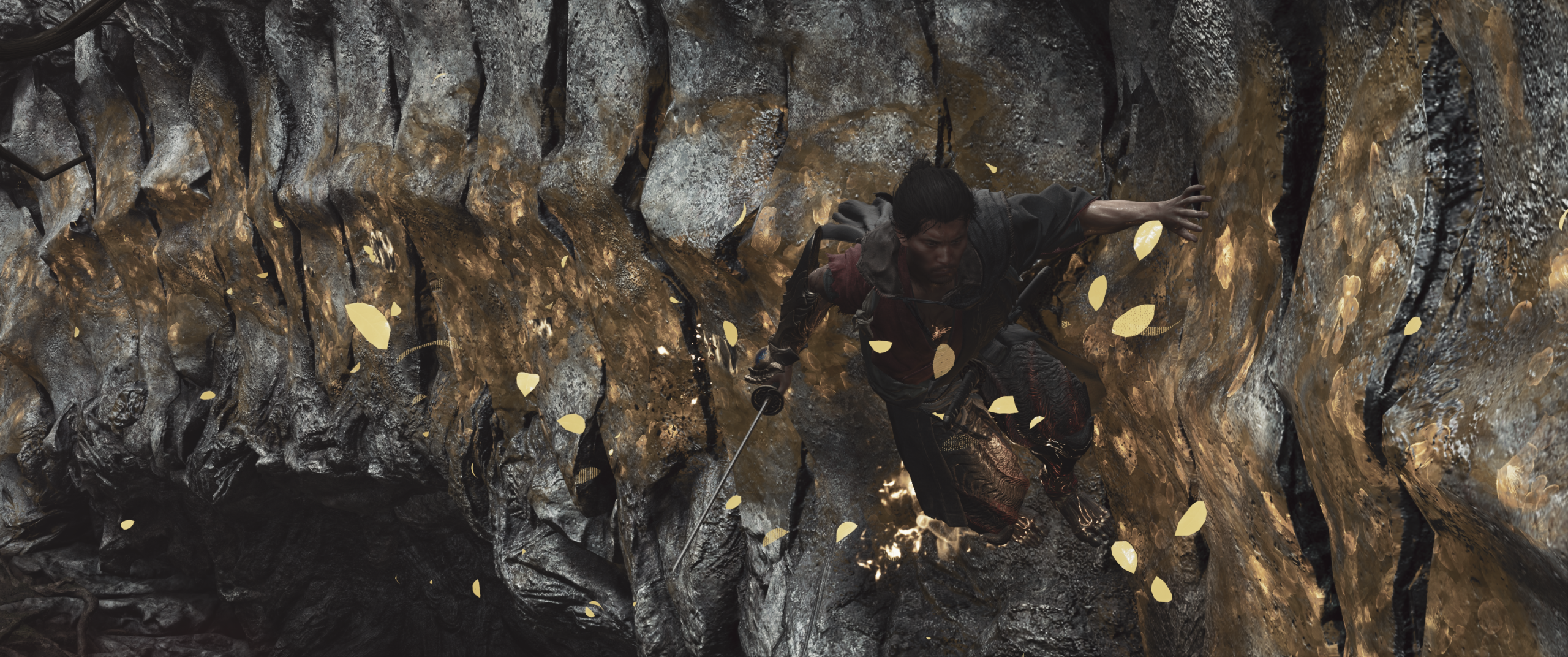
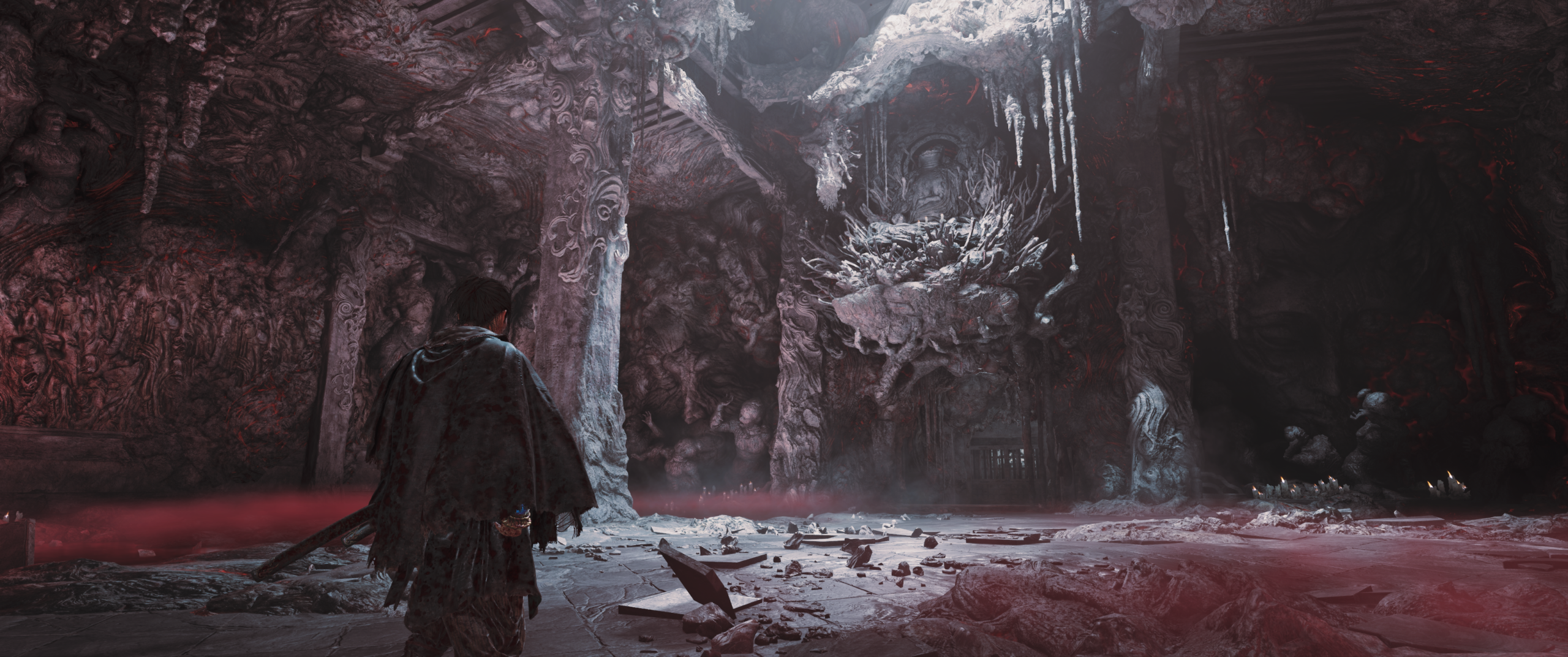
The artistic direction is absolutely magnificent.

Special mention also at the final castle that recalls the biomechanics of Giger or excellent Scorn. And low hat for the artistic direction that sniffs in the imagination of dark fantasy while imposing its own style by the figure of a debonary warrior, hero despite him caught up with his emotions. The development is also crossed with that of Kunitsu-Gami: Path of the Goddess both in terms of the design of certain characters and of influences on the particularly successful soundtrack.

The longer it takes, the better...

Despite this paper so far dithyrambic that would almost make us look like groupies of Capcom, Onimusha is not free from defects. First we always wonder why contemporary developers are stubborn to want to adopt the shape of an open-world simili if it is to do it half way. Way of the Sword do not escape this pitfall. If you like the first hour to go through Kyoto (many of its monuments still standing today), the glamour does not keep the distance. Between the main missions, the game invites us to carry out unfavorable quests, the ins and outs of which are strictly irrelevant. Fortunately, no one forces us to waste our time on this empty map.

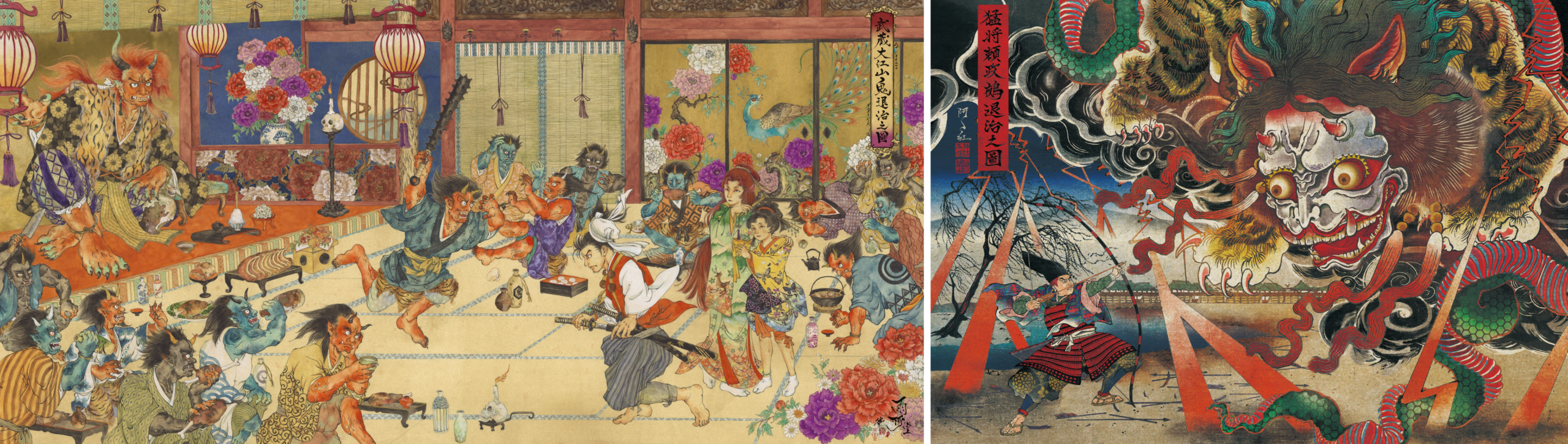
The more additional quests you make, the more stories you unlock from Japanese history as well as beautiful prints that will delight your wallpaper. Too bad these quests are worthless.

However the game incorporates a very light RPG routine with stats that can be strengthened very slowly by collecting objects, making offerings or using the red souls collected after each battle to unlock parts of the tree of skills. This superlayer supposed to densify the gameplay seemed perfectly superficial and misintegrated. As an autopilot, you still fold yourself a little bit so you don't feel like you're missing out on the gameplay possibilities, but you're quickly caught up with the rebarbative side. Where the series Zelda had perfectly managed to grasp the player's feeling of excitement when he opened a treasure chest, we collect the items here as a deliverroo deliverer would ship his Sunday tour as soon as possible.

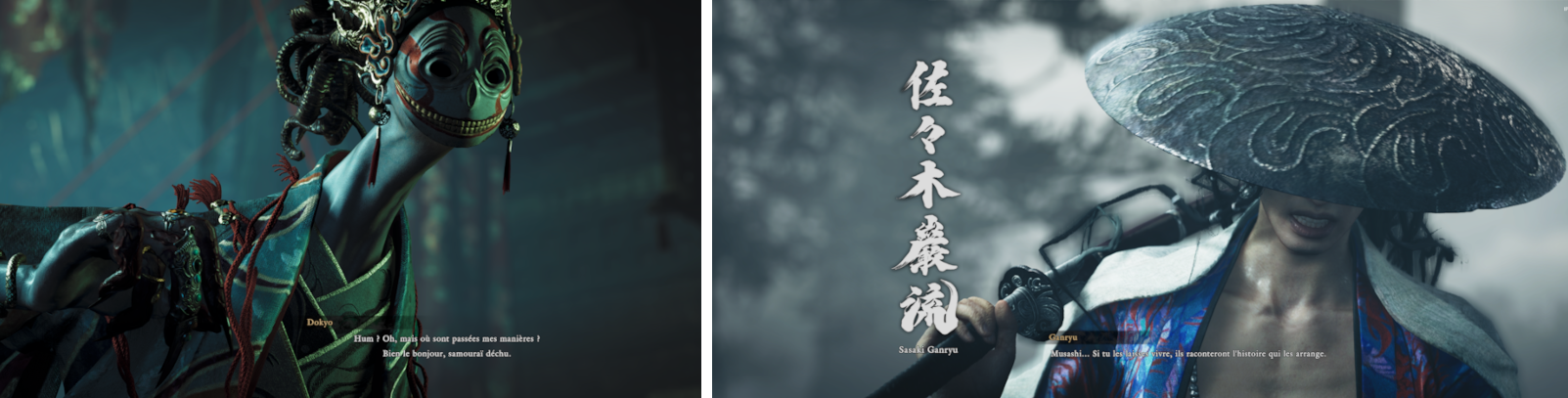
« All wickedness comes from weakness » wrote Rousseau. Your Nemesis is the perfect illustration.

More damaging, the leveldesign is to light years from From Software games not to say that it is almost non-existent. In places we will have to purify entire Kyoto neighborhoods of a toxic miasm or make a few pirouettes to reach places inaccessible but all this is very bleak in relation to the fighting. And yet, despite a leveldesign of the poor, it is impossible not to let go of the controller as the gameplay is grim and among the most striking of the genre. It might be time for Capcom to stop recycling in the last third of these games. I want to sign this article to the mini-boss « heavenly wrath » (probably very uplifted and model of perseverance) that will have returned at least five times in a row, all to lengthen the lifespan.

So yes, these rehearses are meant to make us integrate boss patterns but was there no way to be more subtle? We like to imagine what a follow-up could doOnimusha which would either give up this ersatz d Dragons Dogma. With more than one million copies sold in 24 hours worldwide, no doubt the rumbling return ofOnimusha should emulate in the future, hoping that Capcom will not give over to his old demons.

Onimusha also lorges on the side of anime...

It is not every day that we sing praises of a game at the leveldesign so poor and yet Onimusha manages to make us forget its structural defects by the depth of an original gameplay. Weared by a battery of evil charismatic villains, the game savors at every moment. The battles are torn off with the taste of the perfect run, the guard down, ready to deviate the opponent's blow at the last moment. And when confidence takes precedence over security, one risks hitting the enemy in the heart, humiliating him in the middle of a combo that was thought unstoppable.

By making the player look good to own a gameplay focused on defense as much as the attack, Onimusha proposes a marriage of genres both intelligent and jubilatory. Less punitive than a From Software game during the phases « exploration », the game is an almost-boss rush disguised that will never take the hand of the player for that matter. With a curve of difficulty that goes crescendo, Capcom stands against the industry by not being afraid to make each boss a demanding encounter, even losing a part of his audience en route. Driven by an inspired artistic direction, colorful characters and a gameplay among the best of the genre, Onimusha is a game all the more addictive to whom one forgives his wanderings in the Kyotoite streets. The path of the sword is deserved and you may wake up at night with the bust of the katanas crossing in your head. You will even grow a few flowered swears but you will come out of it until each of the attacks of the Genmas will slip over you like sake in a goose, the hangover less!

For
  • Beautiful artistic direction
  • Terribly gray gameplay
  • Sekiro's Spiritual disciple
  • The variety of bosses
  • The Berserk leg assumed
  • Simple but endearing characters
  • Ultra-charismatic antagonists
  • The Carnival side of the Freaks
  • Reversing OST
  • Japanese folklore
  • Many and inspired cinematics
Against
  • Zero side quests
  • Recycling some mini-boss
  • Side « open-world » failed
  • Capcom, assume to play a linear game!
JV critic and film always ready to lead Interviews at festivals! Amateur of genre films and everything that tends to the strange. Do not hesitate to contact me by consulting my profile.

0 0 Votes
Evaluation of Article
Subscribe
Notify of
guest
2 Remarks
oldest
most recent Most popular
the celest wolf
Administrator
13 days

So many souls and memories sealed on Onimusha: Warlords... I had totally succumbed to this Resident Evil Katana version, immersed in the heart of a macabre Sengoku.

Dernière édition le 13 jours par le loup celeste
2
0
We would like your opinion, please leave a comment.x