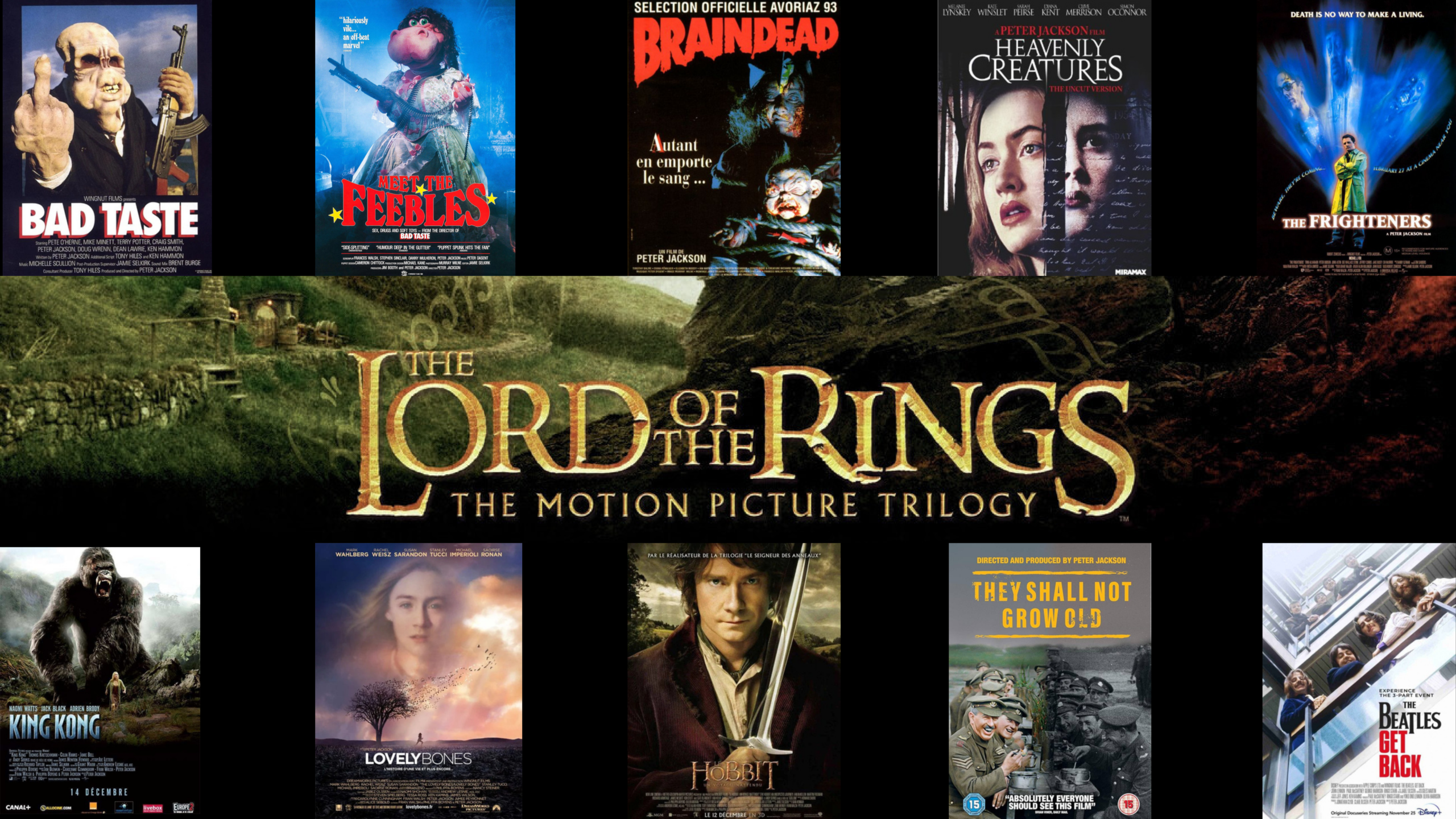
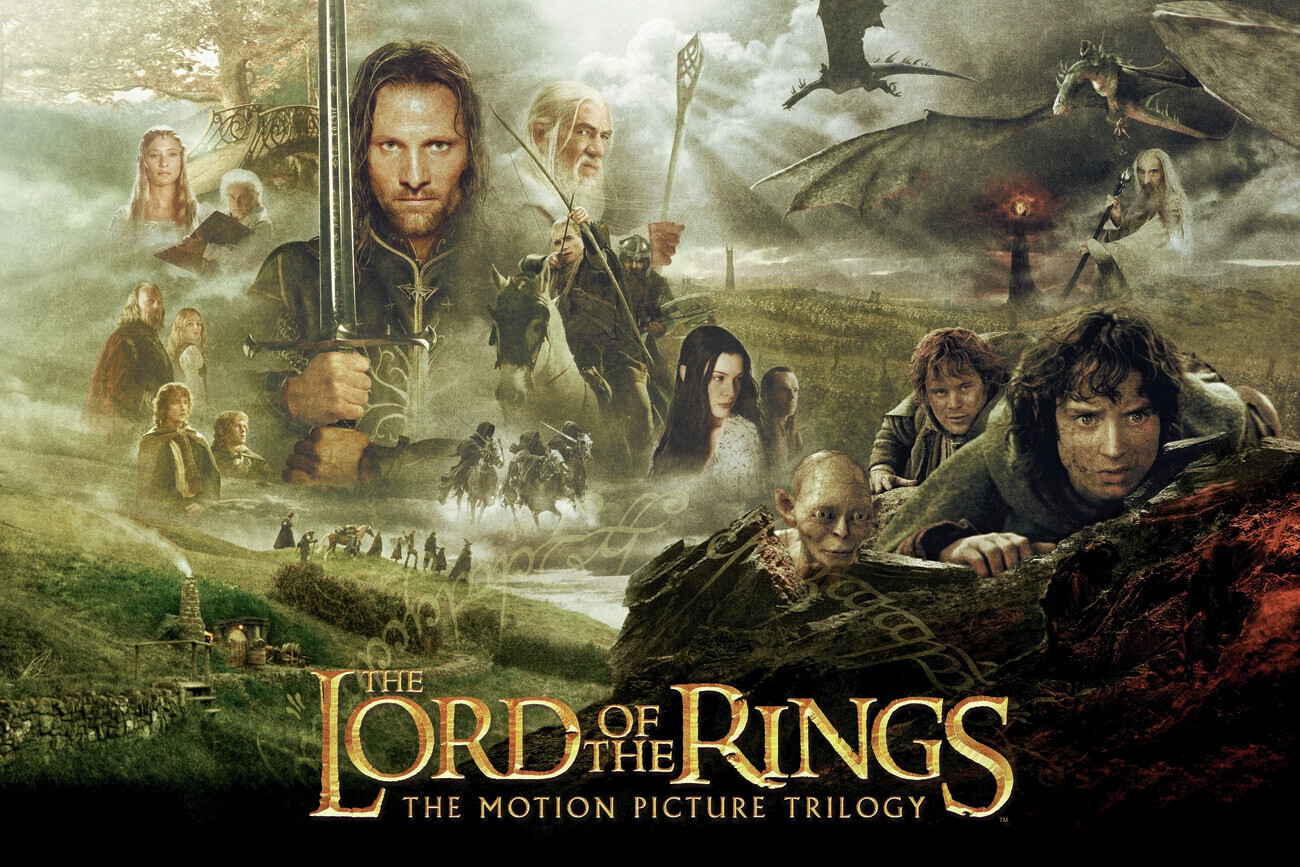
Three books of fantasy written under Tolkien's pen, sfilm crews in their sets and studios, neuf hours of film intended for cinemas, un fan director surrounded by his friends on his film throne. In the land of New Zealand where the mountains stretch. A director to direct them, a director to federate them, A director to adapt these books and to the cinema bind them. In the land of New Zealand where the mountains stretch.

A 90's hemoglobin fan Hobbit

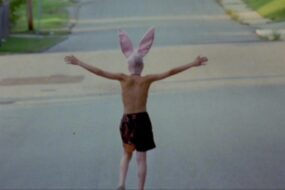
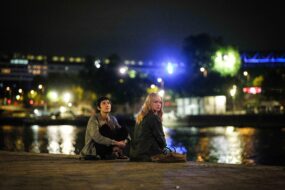
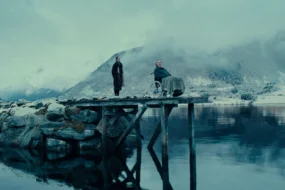
Peter Jackson was born on October 31, 1961 in Wellington, New Zealand. From childhood, he became interested in cinema and particularly in special effects. He began his career in the 1990s by making gore comedy with his friends on a small budget. He quickly forged a reputation among fans of the genre with his films Bad Taste, Feebles and Braindead. He won the Grand Prix of the International Fantasy Film Festival in 1993 with this last film. However, many criticize him, accusing him of not being serious and not knowing how to make anything other than horror movies with extreme scenes and crazy humor. He nevertheless manages to surprise the public as the critic by realizing Celestial creatures (1994), a poetic drama far from the style of his early films. The film will receive numerous awards, including a Silver Lion at the Venice Mostra, as well as an Oscar nomination for the best screenplay. Peter Jackson thus made a place in international cinema and gained respect for critics.

The following year he began to develop a new, rather ambitious project: adaptation of the fantasy pillar, Lord of the Rings J.R.R. Tolkien. But how can we give a visual form to the Middle Earth and the creatures that inhabit it: Hobbits, Elves, Dwarves, Humans, Magicians, Dark Lords, Orcs, Trolls, Spectres...? How can we translate Tolkien's wonderful literary universe into cinema and trace the journey of Frodo and the Anneau Company without betraying its magic? The stakes are great, but Peter Jackson is not the first to attempt an adaptation of the trilogy: Ralph Bakshi's cartoon, released in 1978, can be noted.

Since Lord of the Rings, Peter Jackson is very coveted by Hollywood: we owe him a reprise of King Kong and several documentaries made from archives (They Shall Not Grow Old and The Beatles: Get Back) and a career as a producer. The break in Peter Jackson's career, from a national director of gore comedy to an international director of high-budget films thanks to his project to adapt the Lord of the Rings, brings about several major transformations in the world of cinema as we know it today. This adaptation is somehow « Avatar of his time », even if it is rarely recognized this revolutionary character. We invite you to (re)discover the saga today, while Peter Jackson received the Palme d'honneur to the 79th edition of the Cannes Festival (issued by Elijah Wood, interpreter of Frodo in Lord of the Rings).

Filming Hollywood as a movie with friends: breakup Peter Jackson

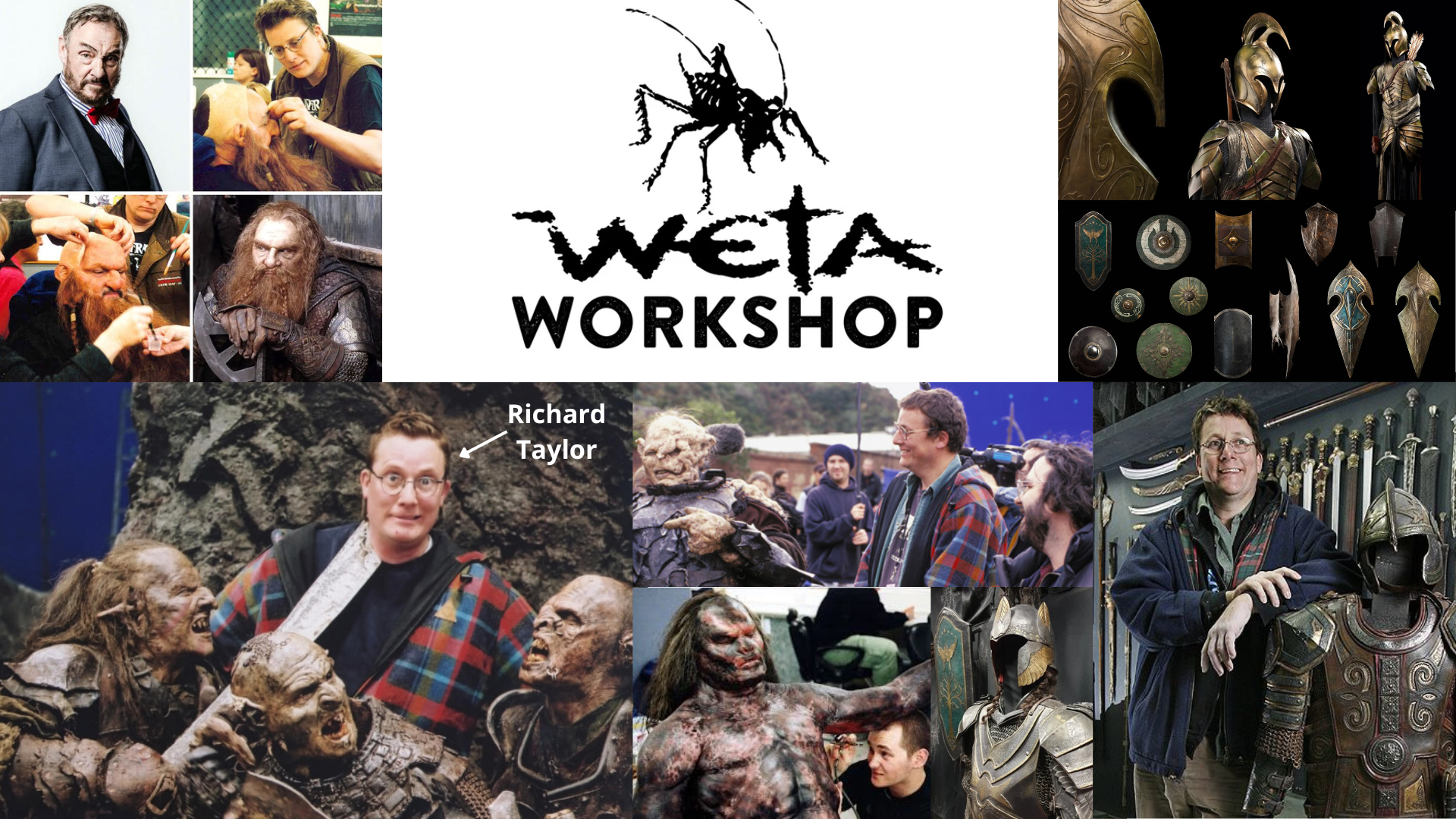
Peter Jackson made his first films with his friends, and he does not lose this habit when he is entrusted with large budgets, like the $75 million allocated to the Lord of the Rings. He writes the script in collaboration with his wife, Fran Walsh, and their couple of friends, Philippa Boyens and Stephen Sinclair, all passionate about Tolkien's work. He also worked with Richard Taylor, with whom he founded Weta Workshop, a special effects studio specializing in prosthetics and makeup, and with whom he has worked since his first gore comedy. Weta is a fairly common insect in New Zealand that Peter Jackson has phobia about; The name of the studio and its logo were born of this phobia.

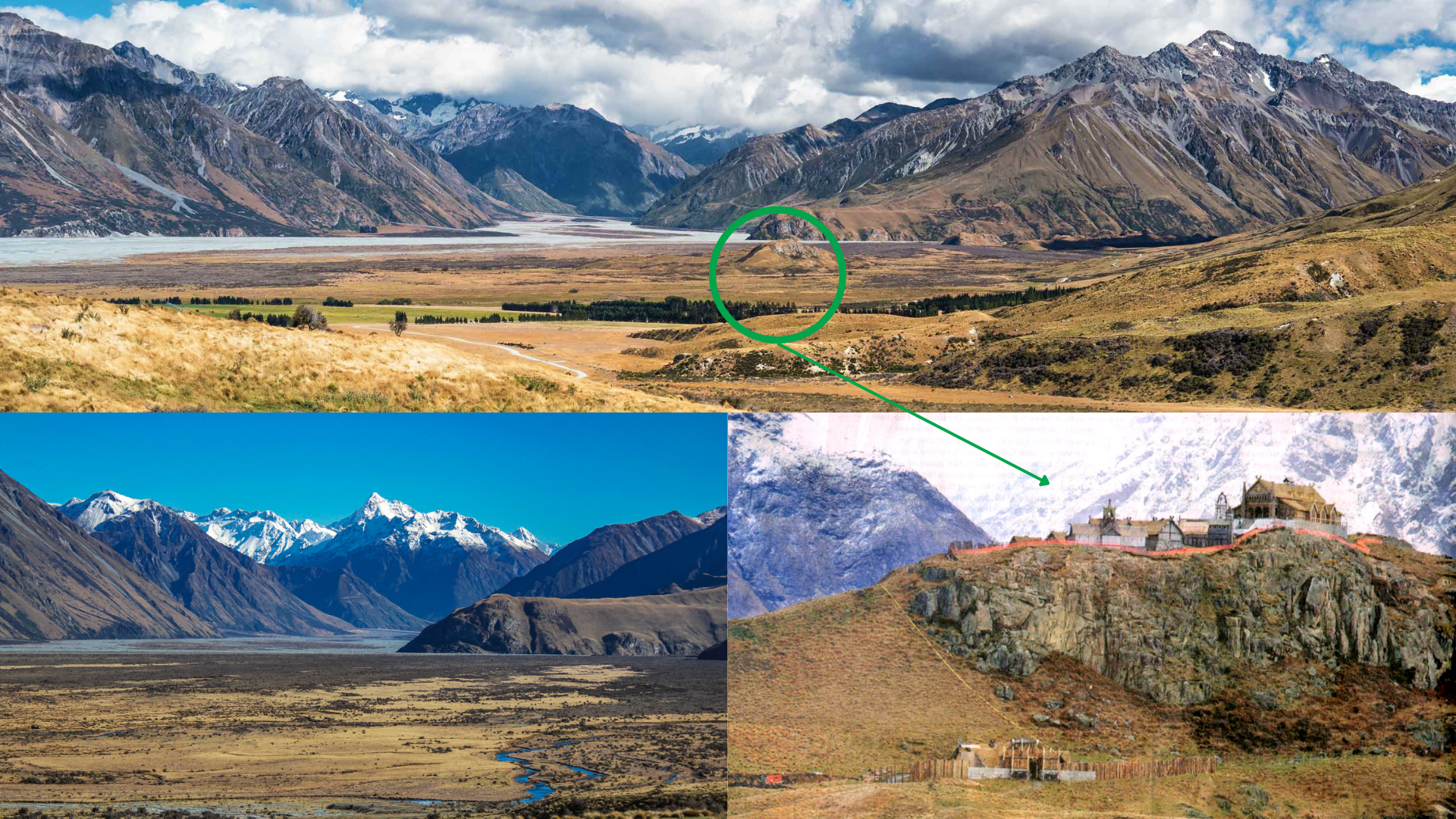
Peter Jackson is also very attached to the landscapes of his country. His films are shot in New Zealand to take advantage of the wild, beautiful and varied landscapes that the island houses: mountains, plains, swamps, forests... This also allows him to work with his team and studios, rather than having to adapt to the Hollywood system, with which he is unfamiliar. He discussed at length with the production, which wanted to relocate the filming, but finally won. And this choice had a major advantage for the realization of the Lord of the Rings : the teams did not need to travel far away to access splendid natural shooting places, nor to build scenery like that of Edoras, the fort of the Rohan riders. Peter Jackson was also able to delegate the production to his assistants, with whom he used to work, going so far as to run seven teams at the same time in more than 150 film locations.

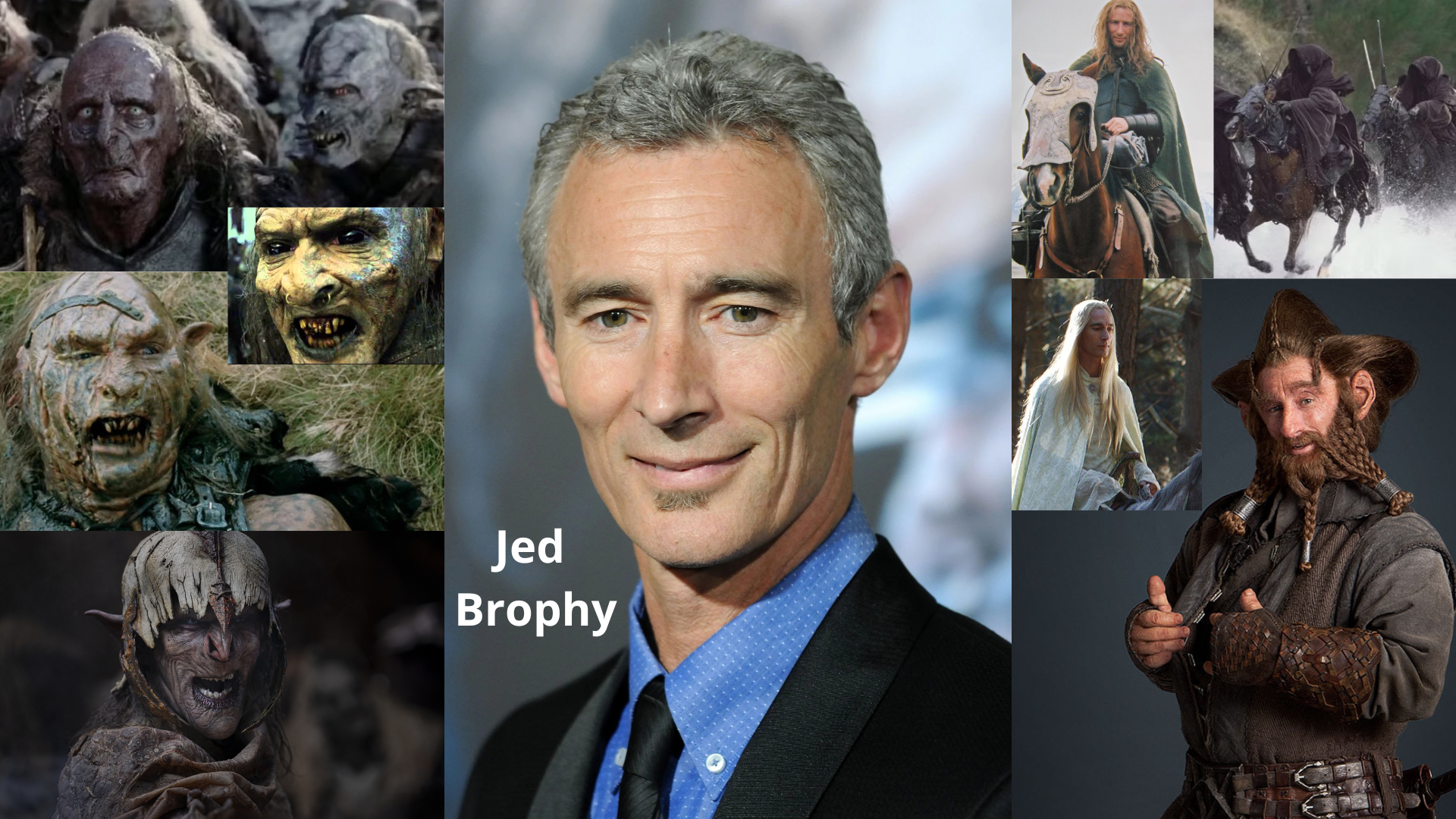
In addition, we can see the stuntman Jed Brophy appearing in all Peter Jackson films since Braindead, and so have fun « Where's Jed Brophy? » watching Lord of the Rings and other works of the director. Jackson entrusts him with his first role as such (more than one line of dialogue, not included) in The Hobbit, where he embodies the dwarf Nori. The game was even perpetuated in the series The Rings of Power, where it embodies an orc (this attention makes it possible to compensate a little for the general mediocrity of the series, but it is another debate). In general, in Lord of the RingsPeter Jackson had fun with the Cameos: portraits of him and his wife as parents from Bilbon to Cul-de-Sac, an appearance at the Hitchcock of him as well as his children in each opus of the trilogy, and the presence of various members of the team, especially on the pirate ship, where there are no names but only the directors of the various departments.

Weta, a technical and technological revolution

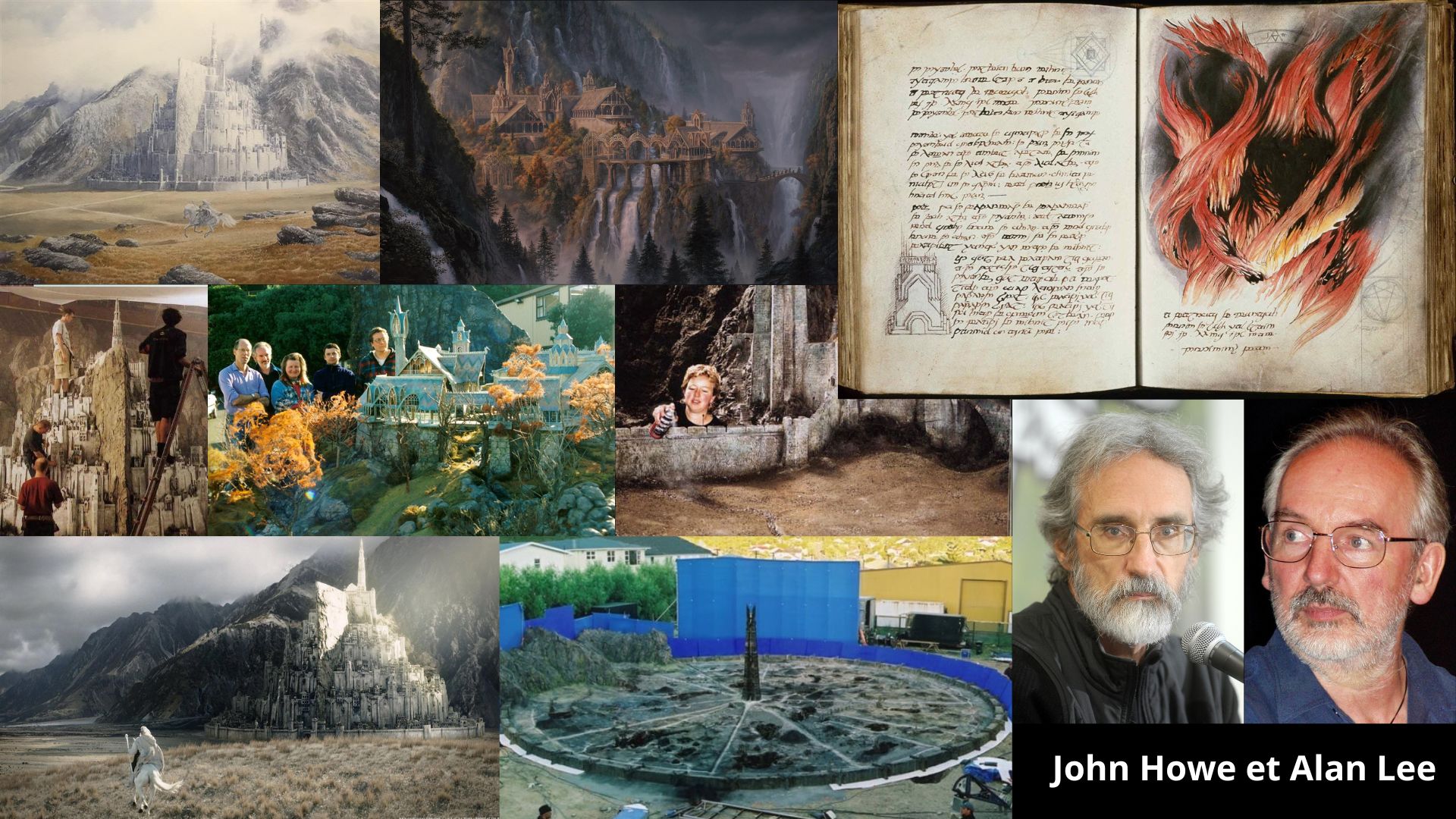
Weta Workshop was made famous by Peter Jackson during the production of the Lord of the Rings. Indeed, the saga requires many prosthetics and accessories in order to give life to the various creatures that inhabit Middle Earth. Studios do an exceptional job, making these creatures more true than nature. This result is also possible thanks to the work of makeup artists, who integrate the prostheses into the faces of the actors and give life to the characters, at the cost of very long hours of preparation (five hours for the Hobbits' feet and hair, for example). Weta Workshop also creates « Bigatures », i.e. giant miniatures of scenery allowing a total immersion for actors. Some shots are filmed directly on these big pictures, then digitally reworked to reinforce the real effect: the characters are embedded in real sets rather than in synthetic images. The team drew the best from the classic methods of decor construction and the new special effects by combining them: building these sets gives them a physical dimension and a multitude of details, before inserting them digitally into the dimensional space of the film.

To imagine all these mythical creatures and landscapes of the book, Peter Jackson was surrounded by passionate and expert tolkien's universe and work, including cartoonists John Howe and Alan Lee, who illustrated his novels. The beauty of their illustrations is reflected in the film's landscape plans, which sometimes assert their value as painted canvases rather than realistic landscapes. They thus maintain the magic infused by these two artists, whose illustrations have become inseparable and complementary to Tolkien's narrative. Beyond the many recreations of the paintings illustrating the book, we can see directly two illustrations by Alan Lee in the film: the mural by Fondcombe and the book by Saraman about the mines of the Moria and the Shadow and Flame that they contain in their depths.

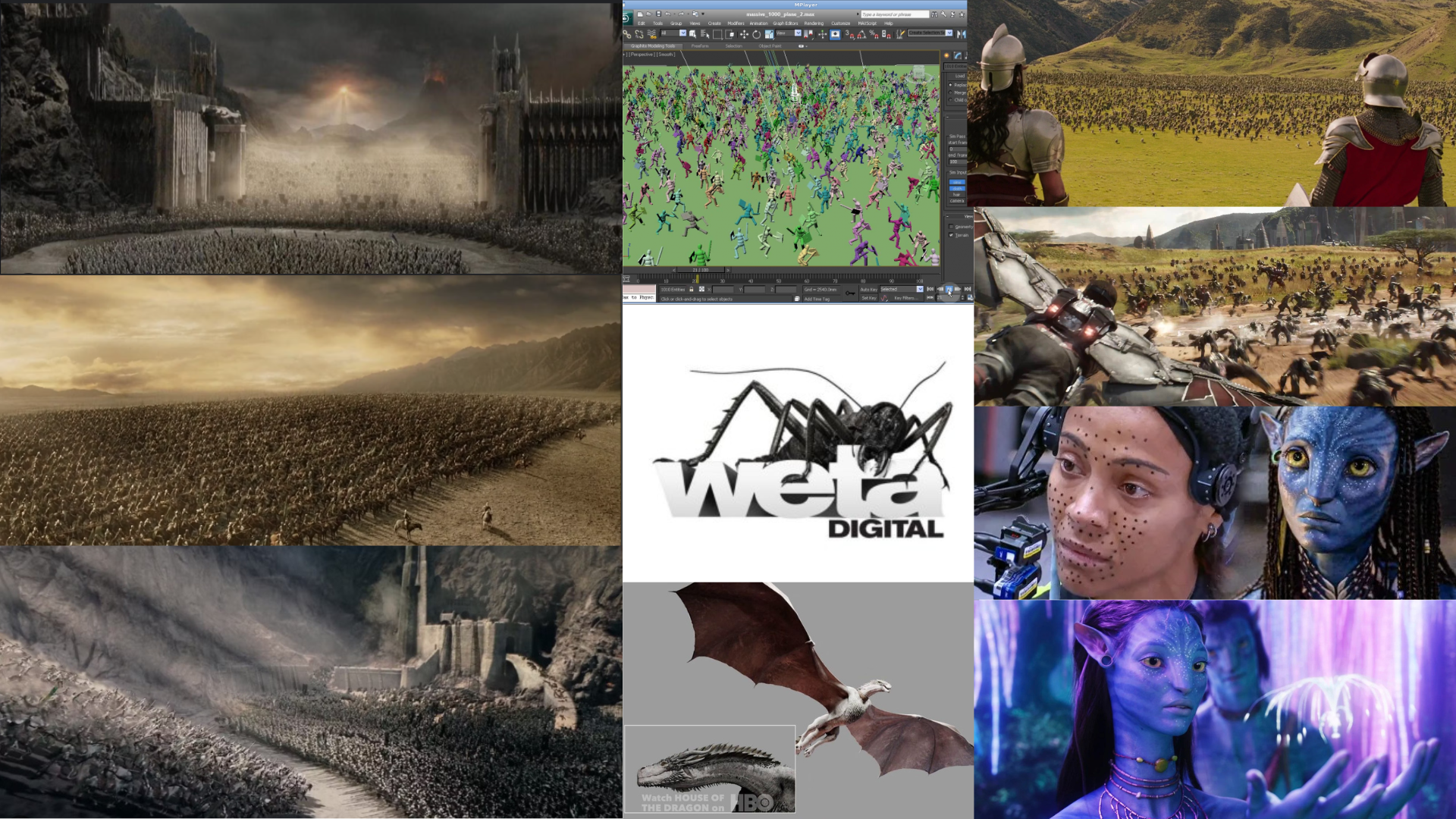
For Lord of the RingsPeter Jackson and Richard Taylor founded a new division: Weta Digital, dedicated to digital special effects. Weta Digital to ensure the post-production of the Lord of the Rings. On the shooting of the saga, the use of the green background and the creation of digital sequences are widely developed: these practices already existed, but were not yet common as they are today. For Gollum's character, a new digital creation technique is designed specifically: motion capture. The facilitators could not obtain a satisfactory rendering only in digital animation; So they animated the character from the movements and mimics of an actor: Andy Serkis. Originally, Andy Serkis was to lend only his voice to the character, a unique vocal performance, but he was so inhabited by Gollum and gave him such a physical presence that he ended up incarnate fully. One can also observe on the screen the team's trial and progressive evolution of the character through the films.

This physical presence of Gollum during the shooting also gives him a real presence on the screen and a great realism, especially in his expressiveness and interactions with other characters. Besides, Peter Jackson again appeals to Andy Serkis to interpret King Kong, and the actor becomes a true master of the motion capture, playing Caesar in the The Planet of MonkeysCaptain Haddock in Tintin's adaptation by Spielberg, Supreme Leader Snoke in the last Star WarsOr Baloo in Mowgli: The Legend of the Jungle. However, the greatest innovation made by the Weta Digital is the creation of software Massive, which allows to generate a crowd evolving in a virtual space according to an individual logic, able to react to its environment. This software is developed to animate the spectacular battles of Lord of the Rings The Gouffre de Helm, the Champs du Pelennor... Massive So successful that in the first tests some soldiers fled the battlefield.

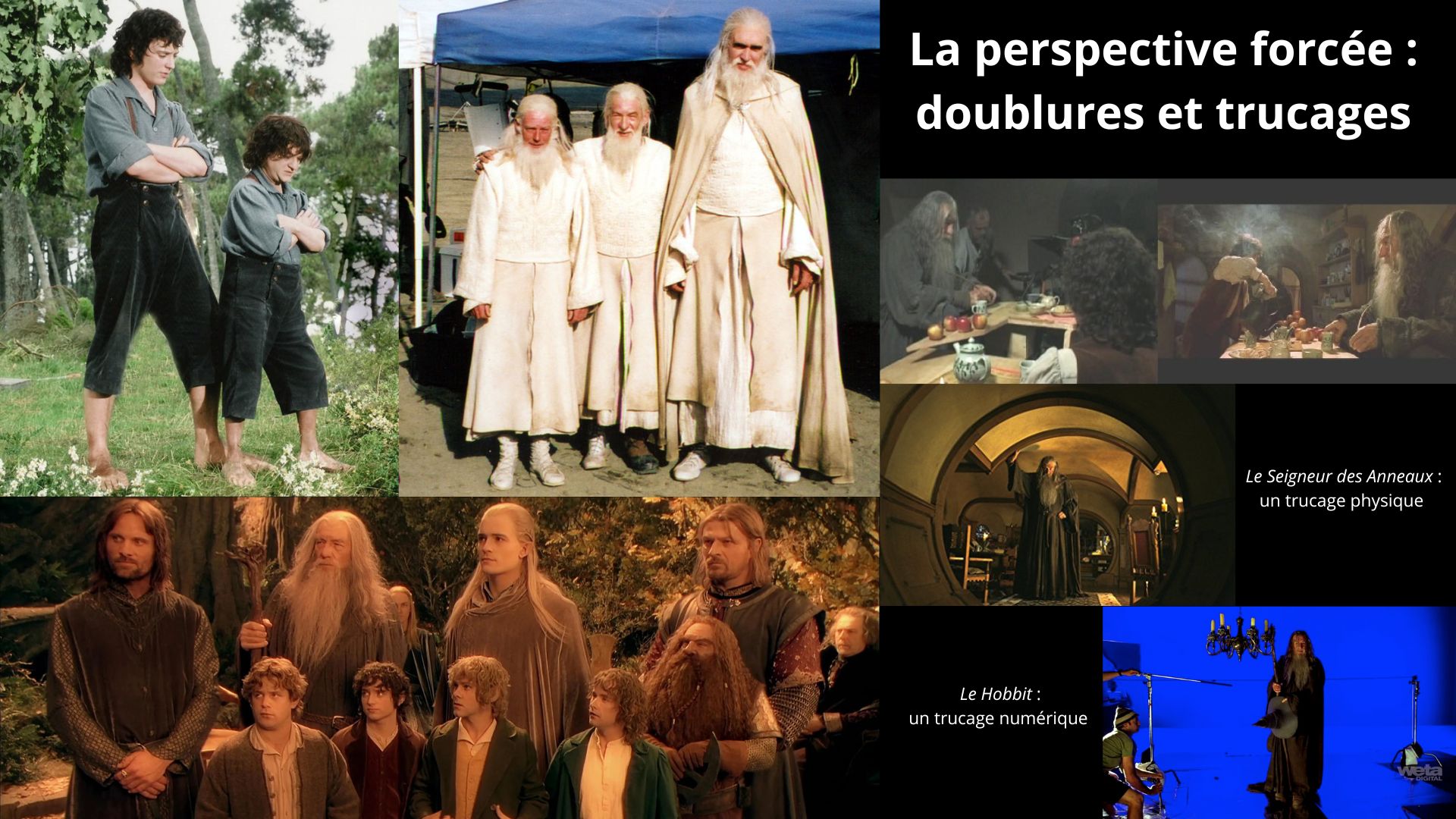
During the shooting of the saga, Peter Jackson also developed more artisanal special effects in order to make the actors interpreting the Hobbits smaller than the other members of the Company (in fact, the Hobbits do not exceed 1.20 m, even if Bandobras Took measured 1.30 m and knew how to ride). Thus, Peter Jackson uses the classic solution of smaller or larger linings, or the construction of double decorations: a normal size and a smaller one. The small character evolves in the normal size version and the large character in the reduced version. It is this rigging, in particular, that was used for the exchanges between Gandalf and Hobbits in Cul-de-Sac. During the filming, Ian McKellen (Gandalf) hit his head with a beam from the Hobbit hole, an accident kept at the final assembly. A good placement of the actors and the camera, as well as precise assembly, make these effects invisible.

However, Jackson also sets up a game on depth to force the perspective: on the screen, the characters seem to be side by side and of different sizes, while in reality they are of similar size and very far away from each other. The axis of the camera hides this set of scenery, and Peter Jackson's team even managed to combine this forced perspective with camera movements thanks to rotary trays, which retain the axis necessary for the rigging. These classic techniques will however be abandoned for the filming of the adaptation of the Hobbit, in favor of the digital special effects, which Ian McKellen deplores, immersed in isolation in the heart of the green backgrounds, separated from the other actors and physical sets during the majority of the filming.

Out of format: a long saga

Long mainstream films are rare and often criticized by the public. Yet Peter Jackson decided to adapt The Lord of the Rings into three long films whose total duration exceeds 9 hours. Moreover, these (very) feature films represent a real challenge for post-production, as they all come out one year apart. The saga model already existed, but few had noted the difficulty of releasing a film per year: for example, the Star Wars Every three years or so. Finally, each component of the Lord of the Rings is very well received by the public and critics, and a long version with more than 12:30 am has been mounted. This success is all the more impressive in view of the technological and technical advances introduced by Weta during post-production. It is certainly these advances that have made this new format possible. Since then, and thanks to the technical and technological developments developed for Lord of the Rings, the model of a saga whose tune comes out every year has become common, as has the adaptations of successful novels into Hollywood saga. In particular, the saga Twilight or the first three parts of Hunger Games, which were released at the rate of one film per year.

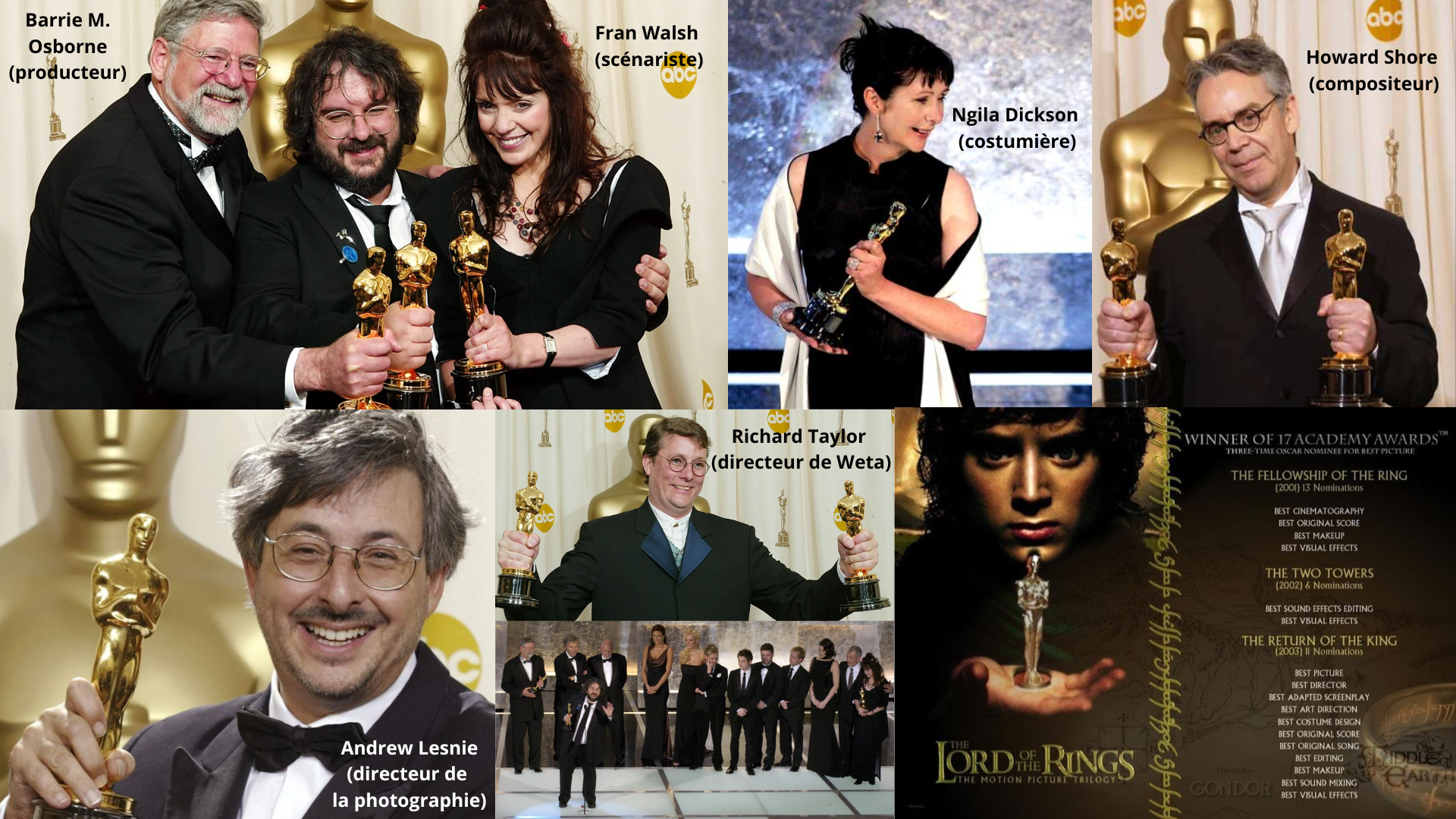
Peter Jackson managed to adapt J.R.R. Tolkien's saga. His films are very well received by fans and critics, and will be rewarded with 17 Oscars out of 30 nominations, including Oscars for best film, best director, best adapted scenario, best photography, best sets, best music (twice), best visual effects (three times), best makeup (twice), best costumes, and best editing and sound editing (twice).

Peter Jackson has changed Hollywood cinema by remaining faithful to himself: working with his friends on topics that please him, without moving his films from New Zealand. Her passion for special effects, as well as that of her teams at Weta, helped revolutionize cinema by creating and developing new techniques that are now indispensable. Finally, all these ruptures occurred thanks to the passion he nurtured for Tolkien's works because, if he had not adapted Lord of the RingsIt may have taken years to achieve these advances, and the filming of many films would not have been possible. And then, let's say, we would have missed a masterpiece of fantasy! With Peter Jackson's sacre in Cannes, this is the perfect time to (re)discover Lord of the Rings (long version, of course!) and its making-of, which are definitely worth the detour.

Born on October 31 and baptized by the credits of LegendI grew up fed fantastic. Since the making-of of the Lord of the Rings, I track every movie like an obsession assumed. Today a graduate of Cinema at the Sorbonne Nouvelle, I have already signed my first short film.


 

0 0 Votes
Evaluation of Article
Subscribe
Notify of
guest
1 Commentary
oldest
most recent Most popular
the celest wolf
Administrator
30 days

Peter Jackson, it is the craftsman who makes me believe that Middle Earth really exists, somewhere behind the horizon.

1
0
We would like your opinion, please leave a comment.x