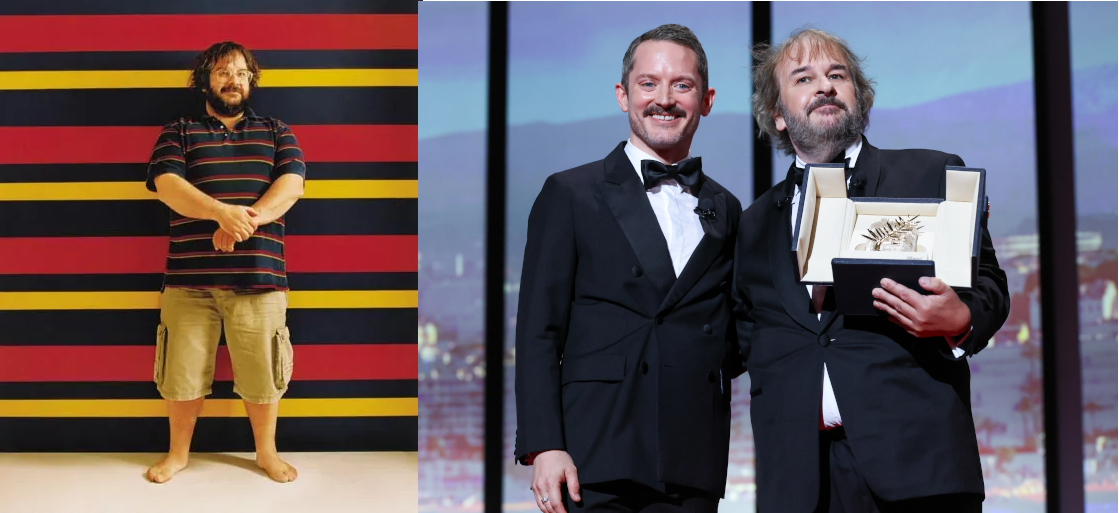
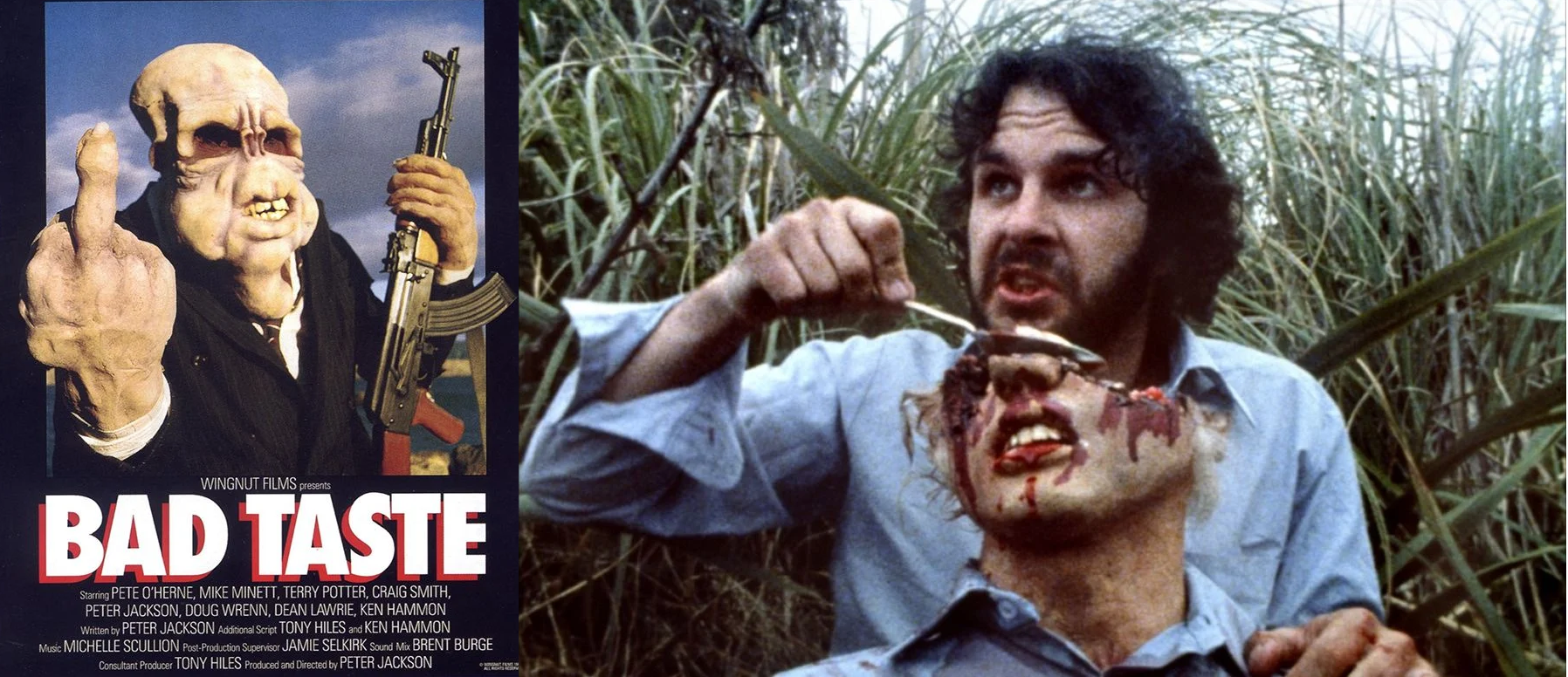
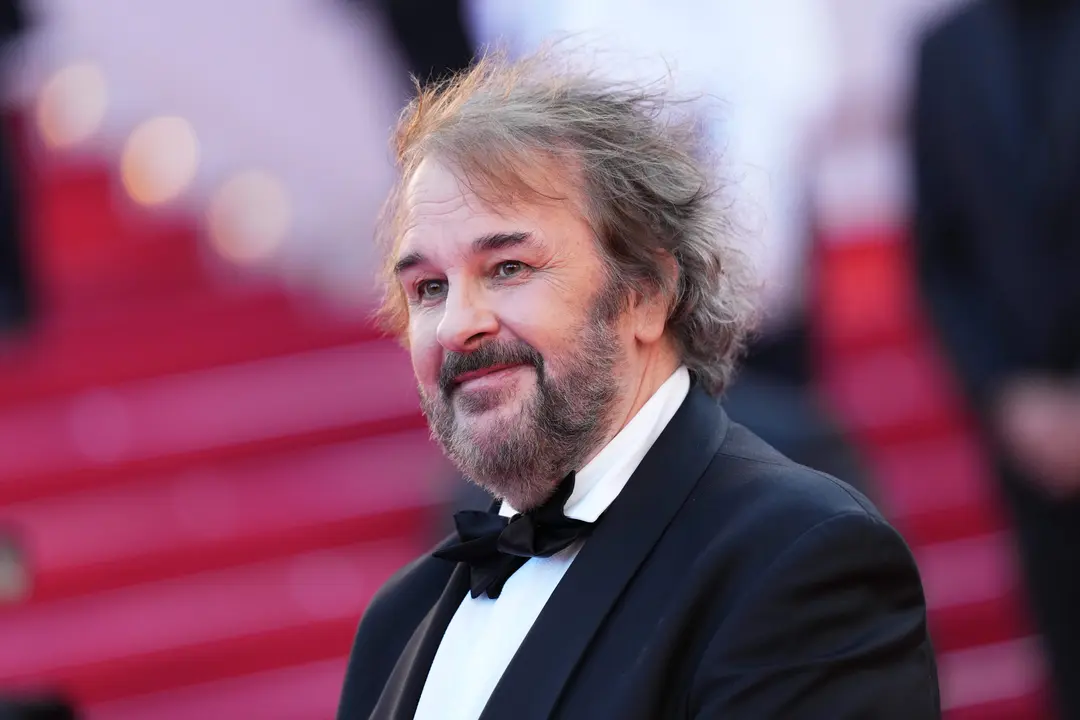
Forty years ago, Peter Jackson came to Cannes to present his first film, Bad TasteAt the Film Market. This year, he receives the Palme d'honneur at the Festival des Hands d'Elijah Wood and gives a masterclass to festivalgoers, during which he goes back to his filmography and exposes his perception of cinema... Even if he does not wear one of his iconic shorts. This article revolves around this canine conference at which Mihalloween had the chance to attend.

« The first time I came to Cannes, security denied me access to the festival because I wore a short. Today, I wish I'd come back here in shorts but I'm too cowardly for that. »

A cinemaphile above all

Peter Jackson is above all a cinemaphile. This is the discovery of the film King Kong At the age of eight, he started his passion for cinema. He then made his own versions of the film with his parents' Super 8 camera. The child that he was could not imagine that one day he would come out a King Kong produced in Hollywood... It's the same cinephilia that started his first film, Bad Taste : « I love gore movies, so I decided to make mine ». Peter Jackson's philosophy is to make the films he would like to see, drawing inspiration from those he loves. He makes films for him and holds his cinemaphilia as his primary motivation. His first gore comedies were born: Bad Taste, Feebles and Braindead. Films whose small budget pushes the director and his team of friends to redouble their imagination to create plausible special effects. According to Peter Jackson, genre film is precisely the best way to start in cinema, because it doesn't necessarily require a lot of resources. On the contrary, small means require the use of creativity to develop its own tricks and tricks.

Lord of the Rings, the largest filmography project of Peter Jackson, has the same genesis. With his wife Fran Walsh and their friend Philippa Boyens, he wrote the script without being paid, simply for the pleasure of bringing the Tolkien world to life. The Hobbit and Lord of the Rings had already been adapted into cartoons by Arthur Rankin Jr. and Ralph Bakshi in the late 1970s; It is also through these cartoons that Peter Jackson discovers Tolkien's world. This first adaptation of the real shot trilogy is a risky bet, but successful. How to adapt the dense narrative of Lord of the Rings And Tolkien's universe? How to satisfy the fans and give life to the different images that the story gave rise to in the minds of the readers·Ice?

Peter Jackson and his co-writers have the perfect profile to carry out this project: their passion for Tolkien's trilogy blends with their passion for cinema. Peter Jackson said that, contrary to what one might think, Tolkien is not so difficult to adapt: it is so descriptive that common images are born in the minds of the readers.·and that, looking at Lord of the Rings, each has its own projections. The books really served as a guide to adaptation, despite some freedoms taken, even in the form of trilogy.

After the science fiction and the fantastic, a certain relation to the real

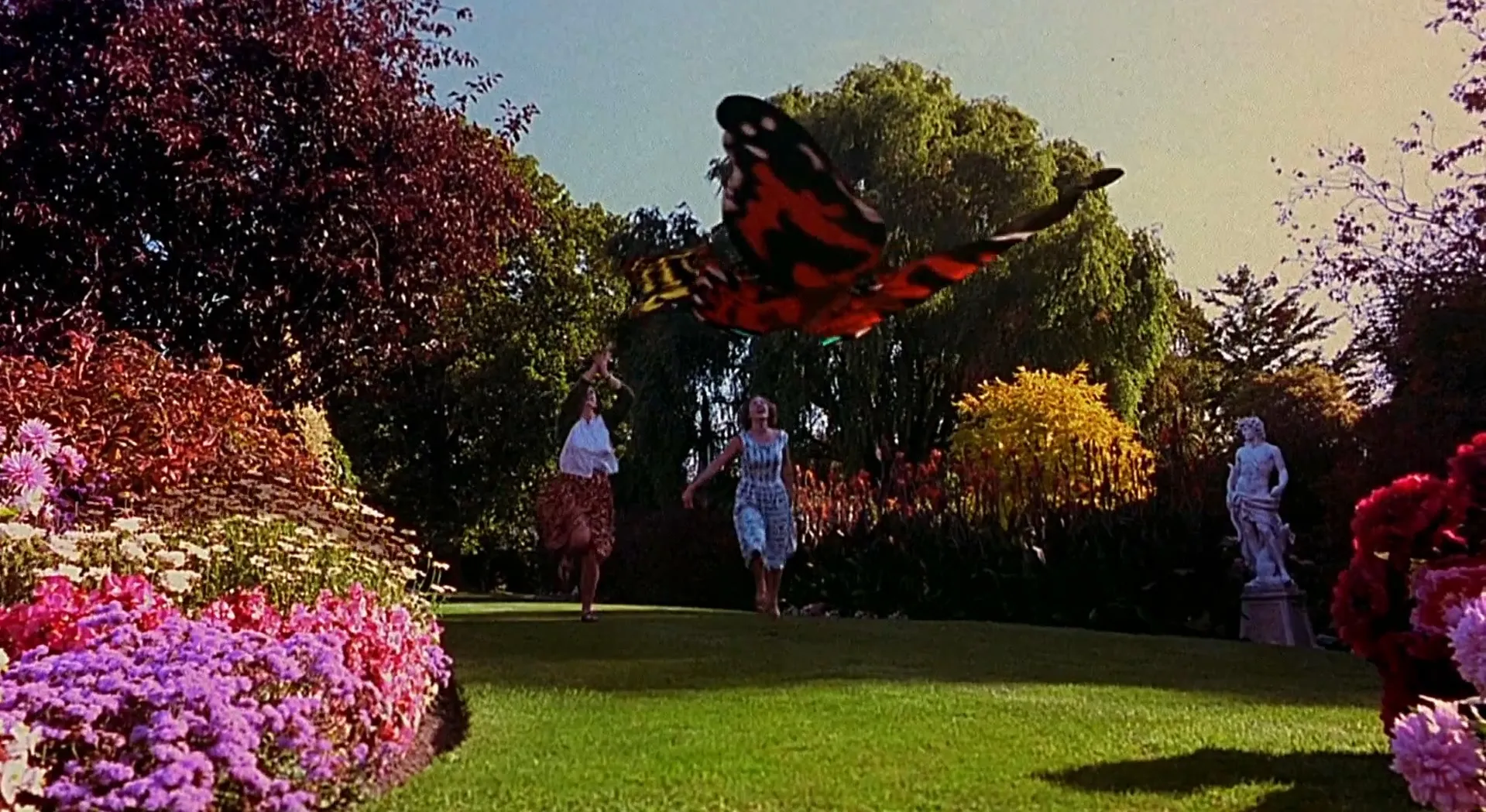
Several themes can be distinguished in Peter Jackson's filmography. He is mostly known for his first cycle of gore comedy (Braindead, Bad Taste and Feebles), its adaptations of Tolkien (Lord of the Rings and The Hobbit) and the fantastic and science-fiction blockbusters he has made or/and produced (Ghosts against ghosts, King Kong, District 9 and Tintin: The Secret of Unicorn). But his filmography reveals two other themes that reflect in this fantastic panel and in his artistic approach: police adaptations (Celestial creatures and Lovely Bones) and two documentaries made from archive images (For fallen soldiers and series The Beatles: Get Back).

Peter Jackson doesn't think he's a true crime lover. He was forced to adapt the novel Lovely Bones as well as a diverse New Zealand fact in Celestial creatures. On the latter, he stressed the importance of timeliness in the adaptation process. The scenario is based on a truly diverse fact and seeks to adopt the gaze of the two criminal teenage girls in order to understand what has led them to the tragedy. Peter Jackson met with witnesses, police officers and judges following the case, and obtained consultation with one of the two girls' diary. This newspaper is the core of the film and guarantees a high degree of timeliness, both in terms of events and in terms of the views of adolescents. But those who have seen the film can tell: how can a film be factual while having so many fantastic sequences? Well, even these fantastic sequences are factual, since they come directly from the descriptions of a wonderful world recorded in this diary.

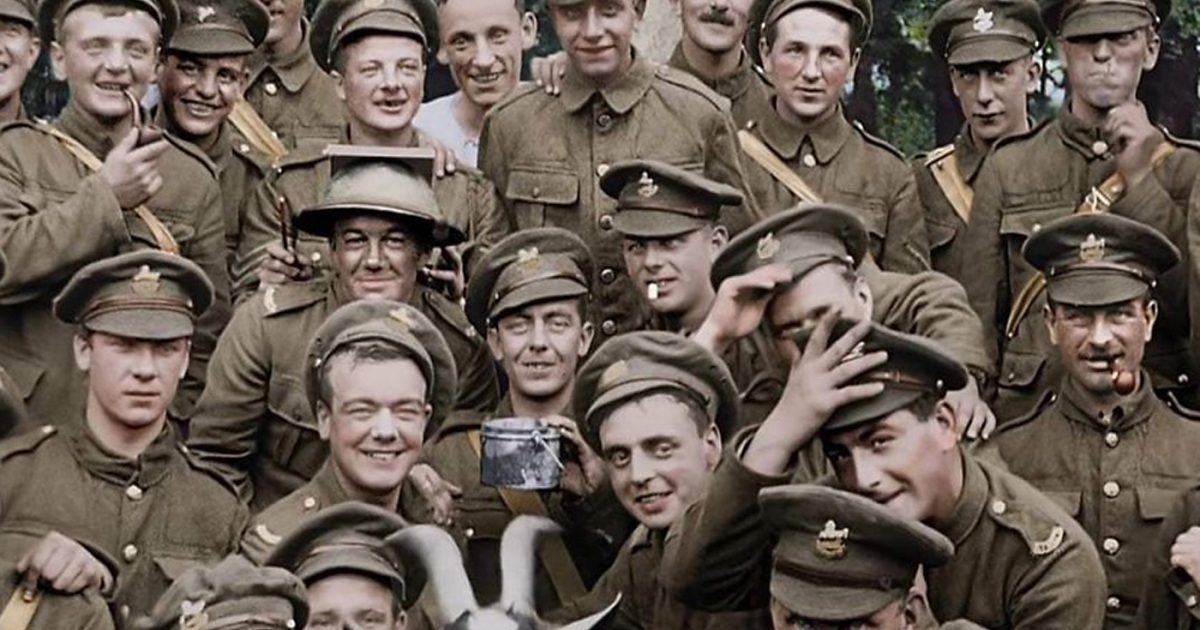
With For fallen soldiers and The Beatles: Get BackPeter Jackson still has a close and complex relationship with the real and use of archive images. He is asked to realize For fallen soldiers on the occasion of the centenary of the First World War. The director has set himself a goal: to breathe life and humanity back into the archive images of this war by adapting them to contemporary visual plastic. The black and white, as well as the variable rhythm due to the crank tower, can now create a distance between the viewer and the image. Peter Jackson therefore worked on these images by putting them in colour and by standardizing their pace to the format of twenty-four images per second. This process is made possible by a computer which, instead of stretching or shortening photograms, creates empty spaces between them and completes them with photograms generated from others. « These people were in color, they saw life in color, these guys are humans. ». Giving this realism to the images without taking away their archival value reinforces the audience's confrontation with these events. This work of authenticity is also found in the sound of the film, since all the voices we hear belong to people who had experienced World War I.

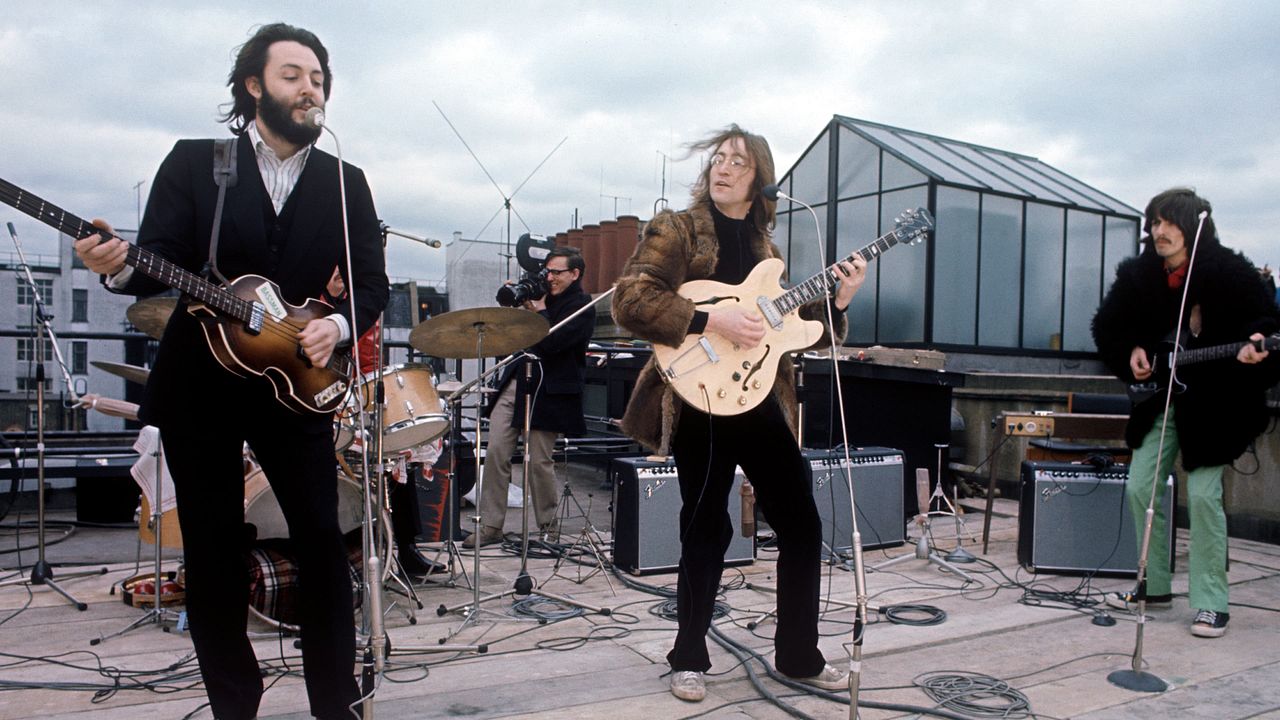
The Beatles: Get Back Peter Jackson has the opportunity to rally his passion for the English band to his passion for cinema. This series shows behind the scenes of the Beatles breakup, a period that the band members had filmed but whose images they had chosen to keep secret. Peter Jackson was the first to access, mount and reveal these images to the public. Sixty hours of rough rushes have thus become a series where one can observe directly the daily life of the group and its gradual separation. A moment that may seem sad from the outside, especially for fans, but that actually reveals itself dotted with very funny sequences. A work of memory that illuminates the conditions of this separation for fans who have never had real explanations, only analyses published in books, more or less distant from reality.

Back to the rooms?

Peter Jackson has been less active for ten years. This inactivity is probably related to the death of his friend Andrew Lesnie, who directed photography of most of his films. Human relations are very important in the creation process of Peter Jackson, who loves working with his friends (see article Peter Jackson: Hobbit in Hollywood).

Will Peter Jackson continue to adapt Tolkien's universe to cinema? He claimed not to be very involved in the creation of The Hunt For Gollum: he will be present if he needs help, but prefers to leave the reins to Andy Serkis. Who better, indeed, than the person closest to Gollum's character to narrate his adventure between the kingdom of the Elves and the Mordor? However, he mentioned a possible adaptation of other Tolkien stories, including The Silmarillion.

Tintin or not Tintin? This is THE question that burned the lips of the public. When Peter Jackson partnered with Steven Spielberg to adapt Tintin, the idea was to make two films: the first by Spielberg, produced by Jackson, and the second by Jackson, produced by Spielberg. But it's now 15 years since the first film came out, and no information had filtered about the second. It is now done: it was announced during this masterclass, for the greatest happiness of the fans of the two directors and the first adaptation: « I am currently working on the script, in my hotel room in Cannes ». It is therefore official: this Tintin will be born, but it will probably take some time before appearing on the big screens. This gives fans time to speculate on the volume that will be adapted: fantastic adventure? Political epic? space exploration?

The public asked him about his position on AI, an issue of concern in the audiovisual world. For Peter Jackson, the greatest danger and the main defect of the AI is the non-respect of copyright and intellectual property: « If the rights were not stolen, I would accept ». The special effects of his films are possible thanks to the AI: Massive is a form of d But for him, the AI must remain a simple creative tool at the service of an imaginary, and must not steal from others.

Peter Jackson is a director who marked the late 1980s with his gore comedy, then the early 2000s with Lord of the Rings, King Kong and other blockbusters. His cinema evolves with time and with the new possible special effects. Watch this New Zealand director, combining genre cinema and blockbusters, and his works dedicated to Cannes is a great pleasure, and seems to announce his return for the greatest happiness of the fans of this cinematic-cineaste.

Born on October 31 and baptized by the credits of LegendI grew up fed fantastic. Since the making-of of the Lord of the Rings, I track every movie like an obsession assumed. Today a graduate of Cinema at the Sorbonne Nouvelle, I have already signed my first short film.


 

0 0 Votes
Evaluation of Article
Subscribe
Notify of
guest
1 Commentary
oldest
most recent Most popular
the celest wolf
Administrator
1 month

Memorable, this masterclass. And very strongly that Peter Jackson finally realizes this second TintinI'm waiting on a firm foot, like many.

1
0
We would like your opinion, please leave a comment.x