Parallel stories Asghar Farhadi received a place of choice at the Cannes festival where he was presented in official competition. Did he really deserve it? Adam is homeless until the day when a woman whom he helped by chance the fate of the street by offering him a job: becoming the man to do everything from a writer and helping him prepare for his move. Housed at home, Adam gained Sylvie's confidence, who made him read a sketch of a novel, the result of a long observation by the noise crew installed in the apartment opposite. As she entrusts her discoveries to him, Adam will push observation beyond the limits and sow paranoia throughout the neighborhood.

Ambition without momentum

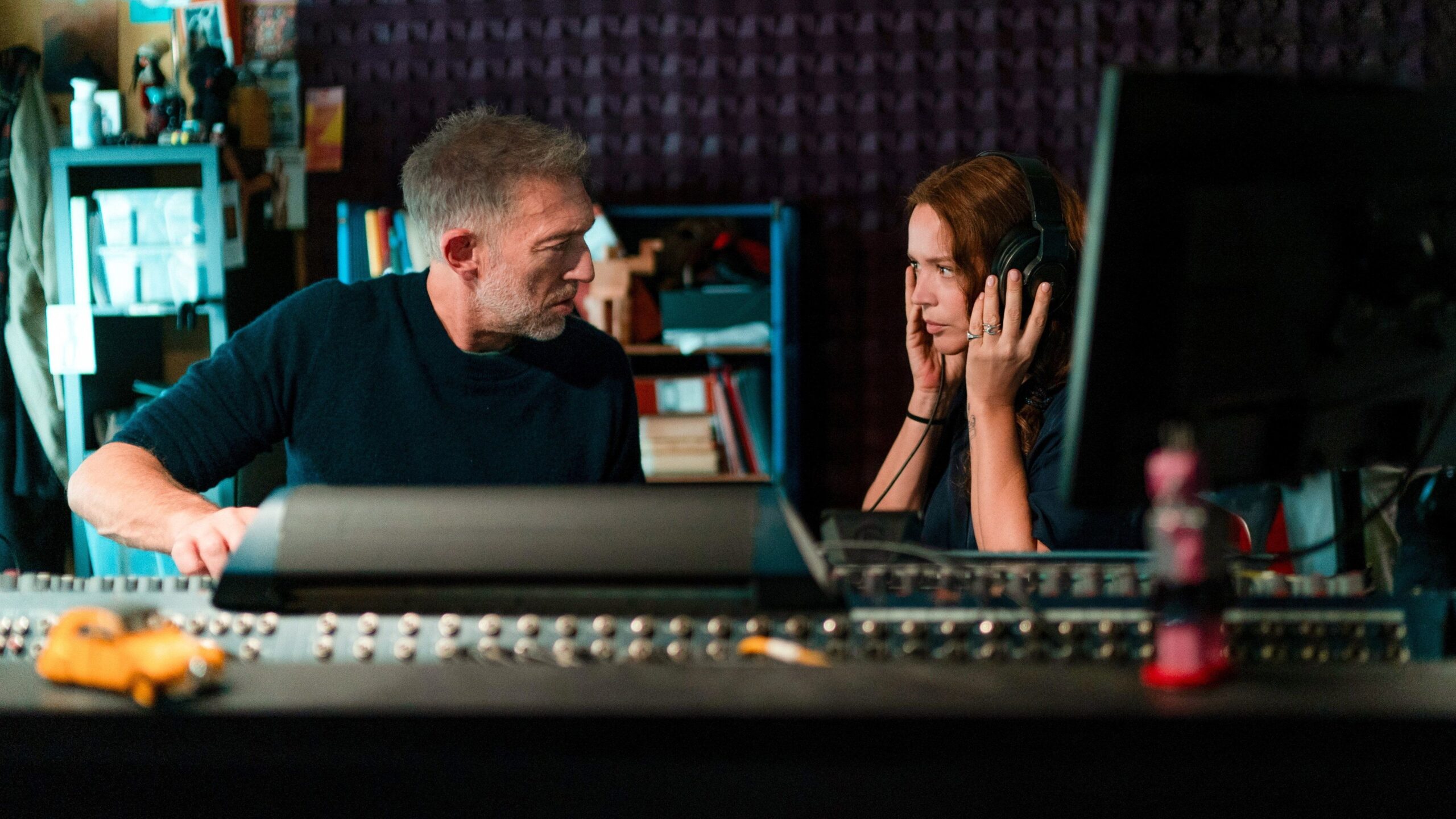
Weared by a director who has already proved himself in the past and a five-star casting, on paper, the project had everything to please. Yet we quickly realize that the scenario has major shortcomings and that the realization remains too banal. Already the film relies only on its actors·main·Ales. Parallel Stories There are good script ideas, but the realization does not develop them: it limits them. First in terms of images, there could have been a real visual shift between the situations fantasized by the author and reality, something other than a simple haircut change, as well as a more incisive staging of the paranoia of the one who knows himself observed. Also the spies are noisers, but the sensory environment proper to their profession is finally very little exploited and hardly exposed. Why choose this specific occupation if it is not to use the possibilities it offers? The same applies to actors, who remain in very typical roles in their register, with the exception of Vincent Cassel, who abandons his usual charismatic characters to embody a man caught up in his age.

The weight of the look, until the break

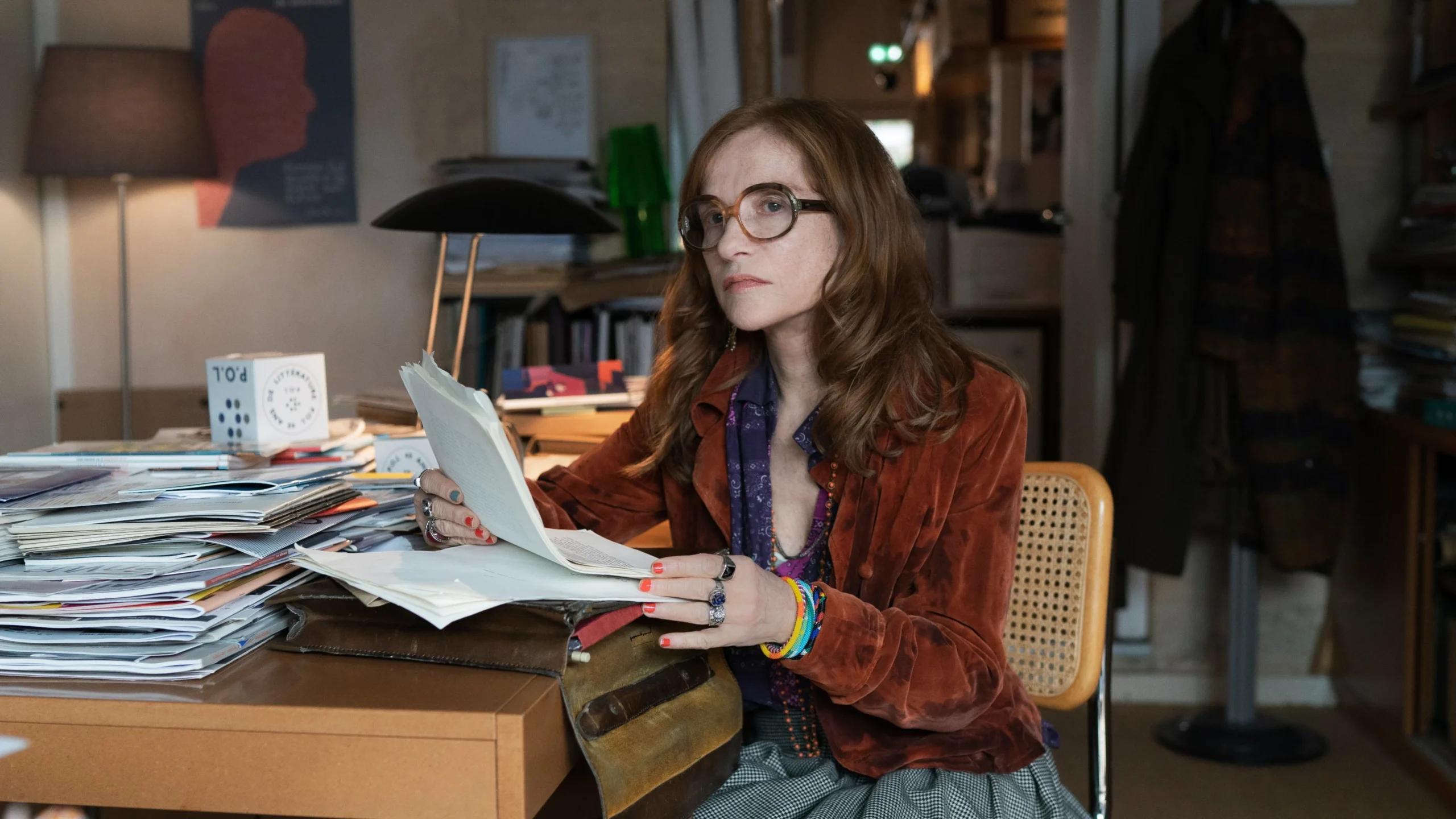
The themes of the film are carried out very clumsyly, including the stereotype of man on the street. It feels like the film wants to deconstruct it. However, it is a failure since it does « Antagonist » of history, a stallor that simmers in people's lives and destroys their intimate balance. Similarly, the question of voyeuristic gaze should have been better addressed cinematically: subjective camera sequences could have been interesting, since in addition to the gaze of Sylvie (Isabelle Huppert) and d'Adam (Adam Bessa), the sounders are subjected to the gaze of the camera, thus making the viewer a third voyeur. But in cinema, the spectator is the ultimate voyeur: he sees and hears everything without ever being seen in return. It is this status that is conferred upon it by the very nature of cinema. When you watch a movie, you sign a pact with the work. We agree to believe his point, here take that voyeuristic position that the camera offers us. Only the staging can have a power to act against our gaze: it can frustrate it by refusing to see or hear or, on the contrary, directly confront it by inverting the balance of power. Looking at the camera, the voyeur is discovered and watched in turn by the character.

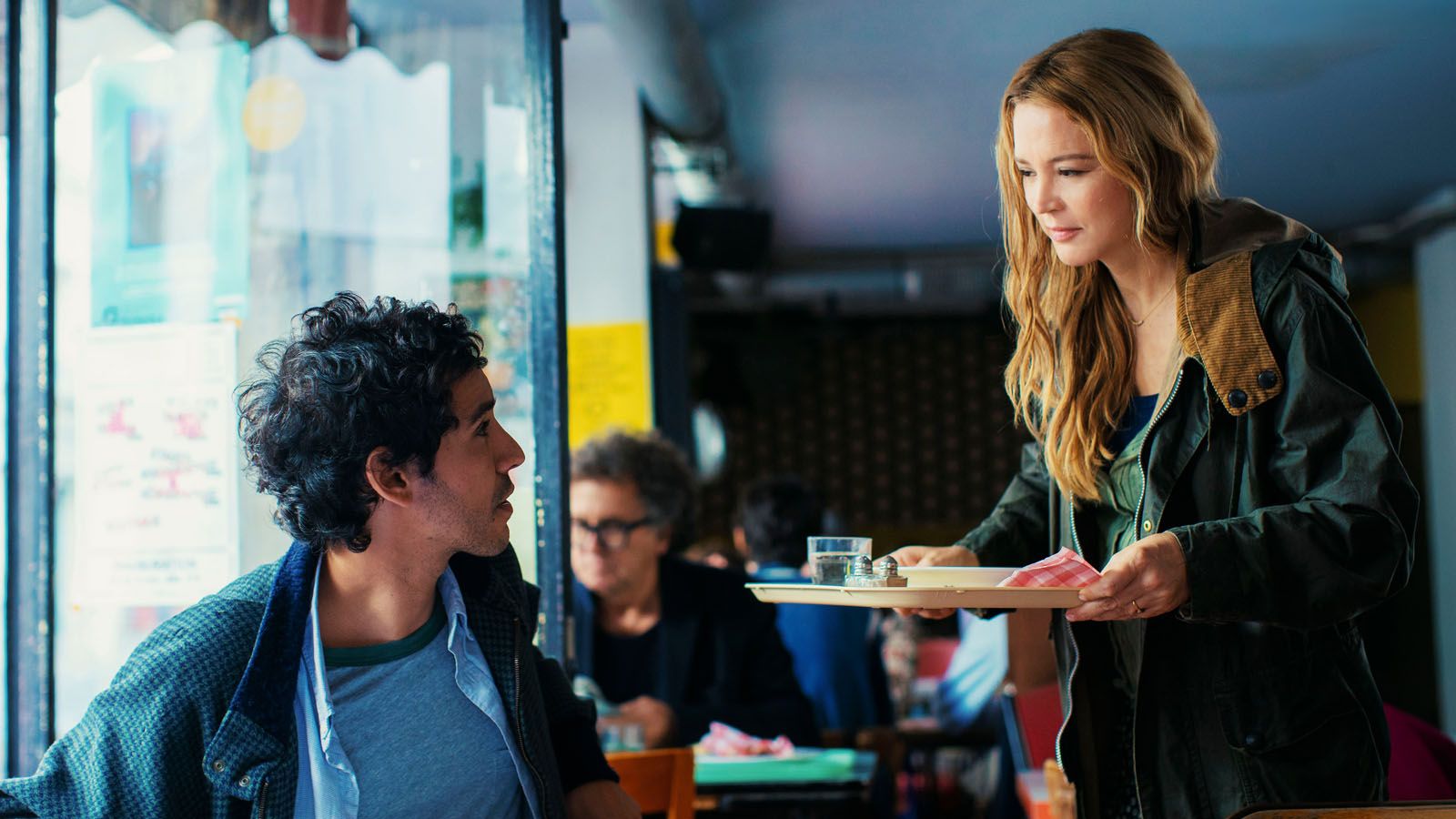
Beyond staging a stallor, Parallel stories Should have questioned the weight of the look and fantasy that we can all be the author of·without realizing it, whether in everyday life, seeking inspiration or watching a movie. Here, it is Nita who suffers the weight of the eyes. Sylvie fantasizes and projects on the young woman her family history. She then places it in the middle of this unlikely love triangle. Adam tries to seduce her at all costs without considering her refusal. One can question Sylvie's voyeurism, which seeks to overcome her lack of inspiration, but it is Adam who will make everything change by not respecting the distance she has taken with her subjects of observation. He will brave this ban by offering Nita (Virginie Efira) the draft novel that he reappropriates. This action triggered a series of repercussions on Nita's intimate life, until it upset her relations with her colleagues, her husband Pierre (Vincent Cassel) and her brother-in-law Christophe (Pierre Niney).

Lightness that betrays complicity

Unfortunately, the film misses its theme and does not question enough the status of voyeur to staller. Certainly, we see the catastrophic consequences on Nita. She has the status of victim, but the aggression inherent to voyeuristic act is not clearly defined. Indeed, Adam is not aware of the impact of his actions, and the film too takes his perspective; He seems to accept his actions and becomes an accomplice in his last plan. The grey-blue colours are abandoned, leaving the urban sound atmosphere for a lighter and organic atmosphere. Problem, the action of the sequence is far too serious to allow this lightness. This is the plan of a « happy end », while announcing the prosecution of a new victim. And this is in no way a grim shift thought by Farhadi, it is the confirmation of a film that completely misses its subjects and stakes.

Born on October 31 and baptized by the credits of LegendI grew up fed fantastic. Since the making-of of the Lord of the Rings, I track every movie like an obsession assumed. Today a graduate of Cinema at the Sorbonne Nouvelle, I have already signed my first short film.


 

0 0 Votes
Evaluation of Article
Subscribe
Notify of
guest
1 Commentary
oldest
most recent Most popular
the celest wolf
Administrator
1 month

Under his Russian doll tunes with Hitchcock's effigy, this meta drama slides from one voyeurism to another, until the desired fiction contaminates the real, bringing up buried desires. The Iranian filmmaker's gaze densifies illusions, while five trajectories clash, sowing a cleverly dosed emotional disorder, carried by a perfectly tuned troupe of actors. When the intimate becomes espionage ground, moral vertigo persists for a long time.

1
0
We would like your opinion, please leave a comment.x